
A shirt dress has three built-in styling controls: the waist, the button opening, and the hem. That is why one simple piece can look polished on Monday, relaxed on Saturday, and ready for dinner later the same day. The problem starts when every outfit uses the same belt, the same shoes, and the same button setting. The dress has not failed. The styling has stopped at the first idea.
Why the Same Shirt Dress Keeps Looking the Same
A shirt dress looks different when it becomes a straight column, a defined waist, an open layer, a tucked top, or a softly belted dress. Shoes and jewelry finish the outfit, but they rarely create the main difference.
Start with the three control points
The waist controls width. Leave it loose and the outfit feels modern and easy. Tie or belt it and the look becomes more defined. The button opening controls exposure and movement. A fully closed front reads neat and formal, while two or three open buttons create a longer neckline. The hem controls balance. A shorter hem can handle a fuller layer, while a longer hem often looks cleaner with a narrow shoe shape.
Use proportion before color
Proportion solves more styling problems than adding more color. If the dress is loose, keep one nearby element close to the body. If the dress is narrow, add width through a jacket, cardigan, or soft scarf. This prevents the outfit from looking shapeless or overworked.
The best starting verdict
For the most reliable first outfit, wear the dress closed, leave the waist natural, roll the sleeves once, and choose a simple low-profile shoe. It gives the dress a clean line and makes the next four changes easy to see.
The Five Shirt Dress Formulas at a Glance
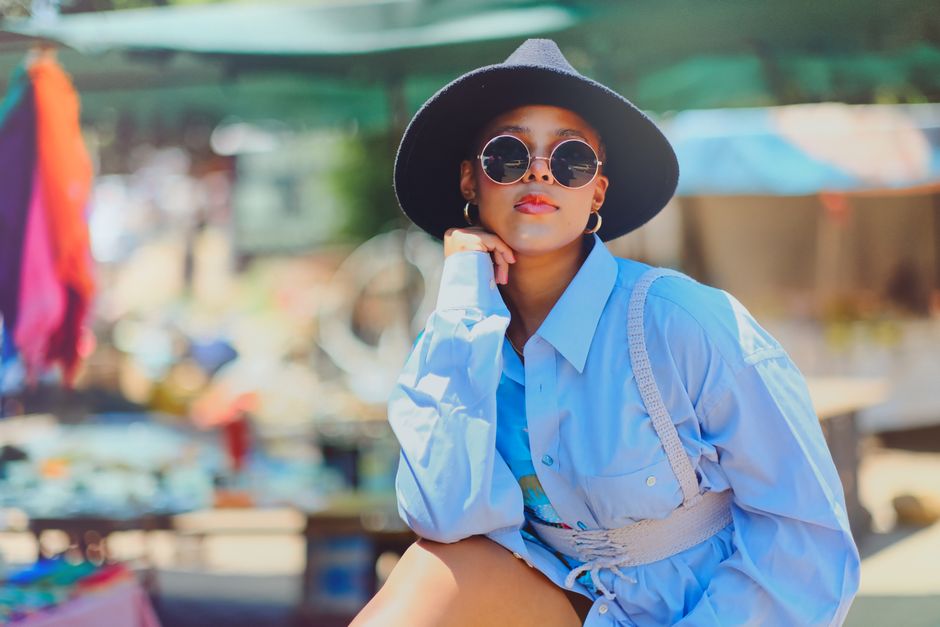
Each formula below changes one main design feature. That keeps the outfit intentional instead of turning it into a pile of unrelated accessories.
| Look | Dress setup | Best setting | Main styling change |
|---|---|---|---|
| Clean column | Buttons closed, waist loose | Office or gallery visit | Long vertical line |
| Defined waist | Waist tied or belted | Lunch or daytime event | Clear shape at the middle |
| Open layer | Dress worn open over a simple base | Travel or casual weekend | Movement and depth |
| Tucked top | Upper buttons closed, lower section opened or tucked | Relaxed daytime plans | Separates the top from the skirt |
| Evening line | Front partly open, sleeves adjusted | Dinner or a small event | Longer neckline and sharper finish |
A shirt dress with a crisp collar may suit the column look best, while a softer fabric may work better as an open layer. The strongest outfit usually has one main idea and only a few supporting details.
Look One: Wear the Shirt Dress as a Clean Column
The clean-column version is the most useful choice when you need to look put together quickly. It relies on length and continuity rather than decoration. Close the buttons, keep the waist untied, and let the fabric fall in one uninterrupted line from shoulder to hem. This makes the outfit feel calm and deliberate.
Set the neckline first
Close the dress high enough to keep the collar neat, then open one or two buttons if the neckline feels too severe. Avoid opening several buttons while also adding a large necklace. Both choices compete for attention. A small pendant, a slim scarf, or no necklace at all keeps the upper half clean.
Control the sleeves and hem
Roll the sleeves once or twice, stopping below the elbow. A tight roll can make the arm look crowded, while a loose fold looks careless. Check the hem while standing and walking. The dress should not catch at the knee or pull across the hips. If it does, opening a lower button can restore movement without changing the whole outfit.
Choose the right shoe shape
A low-profile shoe supports the long line. A flat with a pointed or softly squared front keeps the outfit refined. A heavier shoe creates contrast and makes the column feel more casual. Use that contrast when the dress looks too formal, but keep the rest of the outfit quiet.
This is the strongest formula for work, appointments, and days when you want minimal decisions. Its weakness is that it can look flat if the fabric has no texture and the dress hangs too loosely. Add one structured element, such as a firm bag or a clean cuff, instead of several small accessories.
Look Two: Define the Waist Without Making the Outfit Fussy
A waist-defined shirt dress works best when the middle looks shaped but not squeezed. The goal is to show where the torso ends and the skirt begins while preserving the easy movement that makes a shirt dress useful.
- Find the natural waist. Tie or place the belt at the narrowest point of the torso, not automatically at the dress seam. A position that sits too low can shorten the legs and create a heavy lower half.
- Leave breathing room. You should be able to slide two fingers between the belt and the fabric. A tight waist makes the buttons pull and turns a relaxed dress into an uncomfortable one.
- Balance the skirt. If the skirt is full, keep the belt narrow and the upper half simple. If the skirt is straight, a slightly wider belt can add useful structure.
- Adjust the collar. Open one or two buttons above the waist so the neckline does not feel closed off. The open space balances the visual weight of the belt.
- Keep accessories directional. Choose one clear detail, such as a watch, a compact bag, or a pair of earrings. Several competing accents make the waist look like a costume detail.
- Walk before leaving. Sit down, raise your arms, and take a few steps. If the belt twists or the buttons pull, move the tie slightly or reduce the tension.
This formula is the best choice for daytime events when the clean column feels too plain. It is not the right answer when the fabric is very stiff or the waist seam already sits in an awkward place. In that case, an open-layer version will create a better line with less adjustment.
Look Three and Four: Layer the Dress for Casual Depth
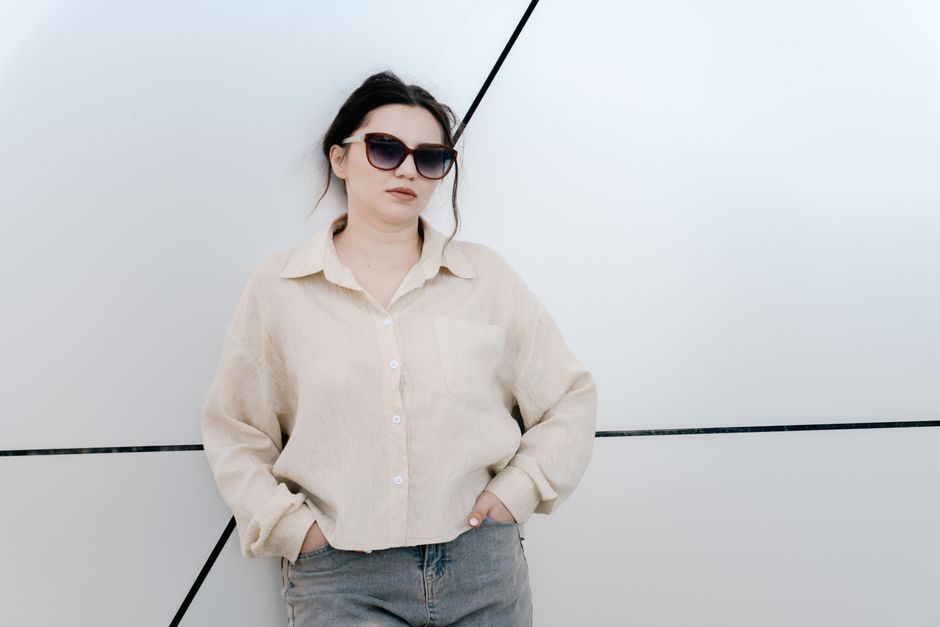
How do you wear a shirt dress open?
Wear it open over a simple base with the sleeves pushed up and the front allowed to move. Keep the base layer visually quiet so the shirt dress remains the main piece. Leave the lower portion open enough for a natural stride, especially if the dress is long. This is the most practical version for travel because it works as both an outfit and a lightweight outer layer. The tradeoff is volume: a loose dress over a loose base can erase the body line. Solve that by using a closer-fitting top and a straight or narrow lower layer.
How do you create a tucked-top look?
Close the upper buttons, open the lower buttons, and tuck only the front or one side into a high-waisted lower layer. The result separates the shirt section from the skirt section and gives a relaxed outfit more shape. Keep the tuck uneven rather than perfectly flat; a little asymmetry makes the styling look natural. This formula works well when the dress is long enough to provide extra fabric, but it can bunch if the material is thick or heavily structured. When that happens, use the dress as a fully open layer instead of forcing the tuck.
Which layered version wins?
The open-layer look is the better choice for comfort, movement, and changing temperatures. The tucked-top look wins when you want a more styled silhouette without adding a jacket. Choose one based on the shape you want, not on how many accessories you can add.
Look Five: Make a Shirt Dress Work for Evening and Changing Weather
The best evening version keeps the outfit simple and changes the neckline, sleeve, and finish. Open two or three buttons, adjust the sleeves so the wrists show, and add one refined detail with a clear purpose. The dress should still look like a dress, not a daytime outfit covered in decoration.
For dinner or a small event
Use a narrow belt if the dress needs shape, or leave the waist loose if the fabric already falls well. A sharper shoe and a smaller bag raise the level without making the outfit formal. Keep the collar controlled. A wide-open neckline plus a large statement accessory usually creates too much activity near the face.
For cool weather
A close-fitting long-sleeve layer underneath works when the dress has room through the arms. A short jacket over the top works when the dress is thin and smooth. Avoid pairing a long, loose cardigan with a loose shirt dress unless you add a visible waist or a strong vertical line. The two layers can otherwise collapse into one wide shape.
Common mistakes to avoid
Do not belt a dress that already pulls at the buttons. Do not roll sleeves that are too narrow to fold cleanly. Do not use an open front when the hem restricts your stride. These are fit problems, not accessory problems. If the dress fights the formula, choose another version instead of adding more styling tricks.
One shirt dress can support five distinct outfits when each look changes the silhouette first and the accessories second.
