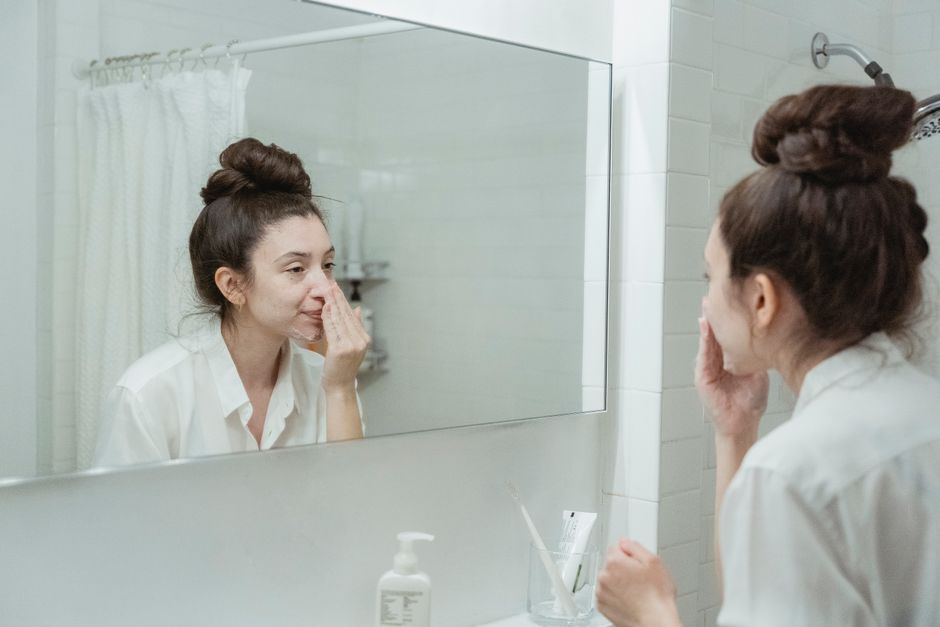
The common mistake is treating spring like a reason to replace your entire skincare routine. A gentle spring skincare routine works better when it removes friction, protects the skin barrier, and changes one variable at a time.
You do not need a complicated shelf to make a useful seasonal adjustment. You need timing, restraint, and a clear way to spot problems before they spread.
How to build a simple morning and evening schedule
A realistic daily timetable
A routine becomes easier to follow when every step has a place. The schedule below gives each task enough time without turning skincare into a full morning project.
| Time | Step | Practical target | Reason |
|---|---|---|---|
| Morning | Gentle cleanse or rinse | 20 to 30 seconds | Remove sweat without prolonged rubbing |
| Morning | Moisturize | Apply within 3 minutes of patting dry | Reduce water loss while skin is still slightly damp |
| Morning | Broad-spectrum sunscreen | Use enough to cover face, ears, and neck | Reduce ultraviolet exposure during longer spring days |
| Midday | Reapply sunscreen when outdoors | About every 2 hours during sustained exposure | Maintain coverage after sweat, wiping, or swimming |
| Evening | Remove sunscreen and makeup | Cleanse once, then repeat only if residue remains | Limit rubbing and avoid a stripped feeling |
| Evening | Moisturize | Use a thin layer, then add more only to dry areas | Match moisture to the skin’s actual condition |
Where treatment steps belong
If you use a treatment for acne, uneven tone, or texture, place it after cleansing and before moisturizer only when the skin is calm. Start two nights per week, not every night. A treatment should not cause persistent burning, swelling, or raw patches. Mild temporary tingling is not a quality score, and stronger sensation does not mean faster results.
Use clean hands, avoid rubbing with towels, and keep the eye area out of active treatment unless the label or a clinician specifically allows it. If you skip a night, do not double the amount the next day. That approach creates more irritation without creating a useful advantage.
What earns the top spot
The morning routine wins when it is short enough to repeat and the evening routine wins when it removes the day without leaving skin tight. A five-minute plan followed consistently is more useful than a detailed routine that works only on weekends.
How to add hydration without causing more irritation
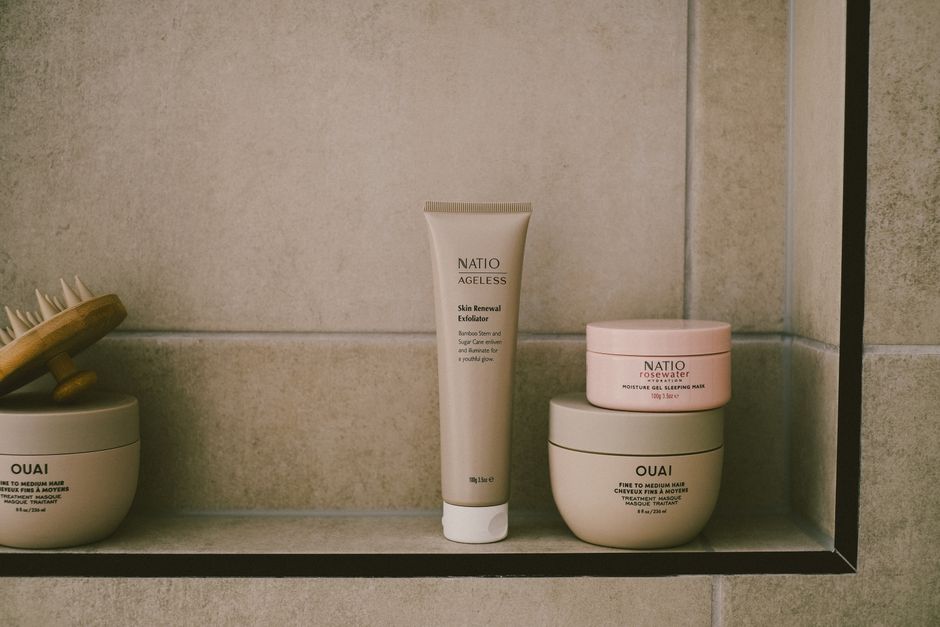
Dryness and dehydration are not the same problem
Dryness describes a lack of oil or lipid support. Dehydration describes a lack of water. Skin can show both at once, but the fix is not always identical. Dehydrated skin may feel tight after washing and show fine lines that improve when moisture is added. Dry skin may feel rough, flaky, or uncomfortable even when the air feels humid. Oily skin can still become dehydrated after over-cleansing.
Start with the basic signal: how does your skin feel 10 minutes after cleansing, before you add anything else? If it feels tight, reduce water temperature, shorten cleansing time, or use a milder cleanser. If it feels comfortable but looks dull by afternoon, focus on consistent moisturizer use and sun protection rather than adding several hydrating layers.
Use the damp-skin rule carefully
Applying moisturizer to slightly damp skin can make the routine more efficient. Pat gently instead of drying until the face feels completely tight. Then apply a thin, even layer. If some areas remain uncomfortable after 10 minutes, add a second small amount only there. This targeted approach avoids covering the entire face with more weight than it needs.
Humidity also changes the feel of a routine. In a damp spring climate, a heavy layer may feel sticky and encourage rubbing. In a dry or windy climate, a light layer may disappear too quickly. The correct adjustment is the smallest one that stops tightness. Do not treat a heavy texture as proof that hydration is working.
When to pause extra steps
Pause exfoliation, scrubs, masks, and strong treatment combinations when the skin burns during ordinary cleansing or moisturizer application. Redness that lasts for hours, visible peeling, or repeated stinging means the routine needs less intensity. Keep cleansing, moisturizing, and sun protection steady for seven to fourteen days before testing an extra step again.
The best spring hydration strategy is boring on purpose: use a comfortable cleanser, apply moisturizer to damp skin, and protect the barrier long enough to judge the result. More layers are not automatically more hydration.
The spring skincare mistakes that cause most flare-ups
Five errors to remove first
- Changing everything at once. A new cleanser, treatment, mask, and sunscreen introduced in one week makes the cause of irritation impossible to identify. Keep the stable steps and add one change at a time.
- Washing longer because the weather feels warmer. Heat does not mean skin needs a longer cleanse. Twenty to thirty seconds is enough for most daily washing. Scrubbing until the face squeaks often means the surface has lost too much protective oil.
- Using exfoliation to remove every rough patch. Roughness can come from irritation, dehydration, or a damaged barrier. More exfoliation may worsen all three. Calm the skin before trying to smooth it.
- Skipping the neck, ears, and hairline. These areas receive daylight but often receive less moisturizer and sunscreen. Apply carefully around them, avoiding the eyes and any broken skin.
- Testing a new formula on the whole face. A small patch test cannot predict every reaction, but it can lower the risk of covering the face with an irritant. Test a small area for several days before regular use.
When should you change the routine?
Should you change it as soon as the weather warms?
No. Change it when your skin gives you a repeatable reason. One warm afternoon is not enough evidence. Look for a pattern across several days: more sweat, clogged areas, tightness after cleansing, or increased outdoor exposure. Keep the routine stable while you identify the pattern.
How long should a new step stay under review?
Give one new step at least seven days for basic tolerance unless it causes clear irritation sooner. During that period, avoid adding another new step. Write down the date, location, amount, and frequency. This simple record turns vague impressions into useful information. If the skin worsens, stop the new step and return to the last routine that felt calm.
When is a routine problem bigger than skincare?
So does irritation that keeps returning after you remove likely triggers.
Sun exposure also deserves a practical review. If you spend more time outside in spring, the answer is not simply adding more treatment at night. Use broad-spectrum sunscreen, wear a hat or protective clothing when practical, seek shade during intense midday exposure, and reapply after sweating or wiping your face. The safest routine is the one that matches your actual schedule rather than an idealized plan.
The clear answer is to change a routine based on repeated skin signals, not seasonal excitement. If skin is calm, keep the routine. If skin is irritated, simplify it. If outdoor time rises, improve protection before adding active treatments.
The lowest-risk spring routine that actually works
The three-step baseline
The best spring routine is a three-step baseline: cleanse gently, moisturize the areas that need it, and use broad-spectrum sunscreen during daytime exposure. That baseline handles the main problems spring creates: sweat and residue, water loss, and longer periods of ultraviolet exposure. It also leaves room to identify a real need before adding treatment.
In the morning, rinse or cleanse briefly, apply moisturizer if skin feels tight, and finish with sunscreen over exposed areas. In the evening, remove sunscreen and makeup with a gentle cleanse, then moisturize. If your skin feels comfortable, stop there. Extra steps should earn their place by solving a specific, repeated concern.
How to judge results without overreacting
Use four checkpoints: comfort after cleansing, tightness by midday, redness after application, and texture after two weeks. A routine is moving in the right direction when skin feels less tight, shows fewer irritated patches, and tolerates the basic steps without burning. One blemish or one dull morning does not prove failure.
Use the seven-day patch test for new steps whenever possible. Apply a small amount to a discreet area, keep the rest of the routine unchanged, and stop if swelling, hives, blistering, or strong burning appears. Never increase frequency to compensate for a delayed result.
The final recommendation
For most readers, the best choice is the simplest routine that protects comfort and sun exposure: short cleansing, targeted moisture, daily broad-spectrum sunscreen, and no more than one new treatment at a time. Keep it for two weeks before making another judgment.
Spring skincare does not need a dramatic overhaul. Start with the three-step baseline, remove the habits that cause irritation, and let clear evidence decide what stays.
