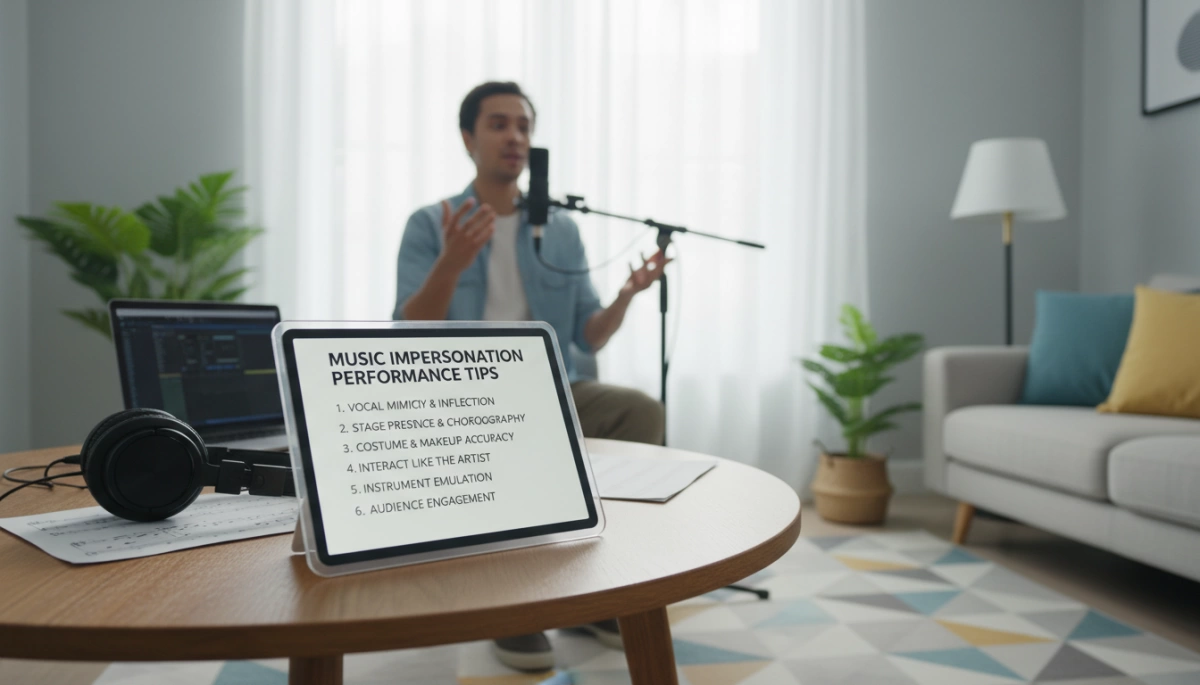
If you’re serious about launching a music impersonation career, you already know it’s far more than just singing favorite songs. It’s about mastering the perfect blend of vocal mimicry, visual authenticity, and the nuanced psychology that brings your chosen artist to life. Whether you’re aiming to wow crowds at corporate gigs, casinos, or festivals, understanding the inside track on tribute act success is crucial. This guide dives straight into the essential insights you need to transform your passion into a professional, in-demand tribute performance. Ready to go beyond a simple cover and become the ultimate music impersonator? Let’s get started.
Phase One: Strategic Character Selection
Assessing Your Natural Assets for Sound-Alike and Look-Alike Potential
Starting with vocal mimicry training, it’s crucial to honestly evaluate your natural voice and appearance. Begin by analyzing your vocal range and timbre—do your vocals naturally align with the artist you want to impersonate? This determines your sound-alike potential, which is the foundation of any successful tribute act. Key points to consider:
Vocal range: Can you hit the highs and lows comfortably without strain?
Timbre matching: Does your voice share tonal qualities similar to the original artist?
Breathing patterns and phrasing: Are you able to replicate their unique vocal style?
On the visual side, assess your physical resemblance and bone structure to target your look-alike potential. Certain features—face shape, height, posture—play a big role in creating an authentic impression.
Facial symmetry and key features: Will you be credible in costumes and makeup?
Height and build: Important for stage presence and audience suspension of disbelief.
Next, dive into some market research to ensure your chosen character has gigging opportunities. Many tribute audiences flock to evergreen icons like Beatles, Queen, or Taylor Swift, but these markets can be saturated. Ask yourself:
Are there too many Elvis impersonators already? Oversaturation can make booking harder.
Is there a niche character you can fill? Lesser-known artists or specific eras present unique openings.
What’s the demand at venues you want to target? Cruises, casinos, and corporate events each have different preferences.
Watching trends through tribute act booking agencies and gig announcements can sharpen your understanding of what’s in demand.
The Passion Factor: Genuine Love Fuels Great Performances
Finally, and most importantly, you must genuinely love the artist you choose. Passion is your secret weapon to sustain energy, overcome challenges, and maintain authenticity. If you’re just chasing trends or money, audiences will sense the difference.
Love the music and persona: This drives your attention to detail.
Stay motivated through setbacks: Passion helps when learning vocal mimicry or perfecting costume authenticity.
Build a deeper emotional connection: This makes your portrayal memorable beyond just look and sound.
Choosing the right character is the first big step—and it sets the foundation for everything that follows in your journey as a tribute performer.
Phase Two: The Auditory Illusion (The Sound)
Mastering the sound of the artist is crucial to nailing music impersonation performances. Start with vocal deconstruction—break down the artist’s phrasing, breathing patterns, and unique accents. These details separate a good mimic from a great one. Working with a vocal coach who specializes in vocal mimicry training not only helps you capture those nuances but also teaches safe techniques to prevent vocal strain or damage over time.
When it comes to your musical arrangement, beginners need to weigh the options between a live band and backing tracks. A live band brings energy and spontaneity but can be costly and harder to coordinate. Backing tracks are budget-friendly and reliable but might lack that authentic feel. Knowing how to integrate backing tracks for performers smoothly can make a big difference in your overall performance quality.
Don’t forget about key adjustments. Sometimes, lowering the key slightly is necessary to fit your vocal range, but it’s important to retain the artist’s signature energy and tone. Small tweaks can preserve the essence of their sound without pushing your voice beyond healthy limits.
For inspiration on sound-focused tribute acts, checking out projects like Hymns – The Sound Of The can give you ideas on how auditory illusion impacts live performance.
Phase Three: The Visual Transformation (The Look)
Nailing your visual transformation is just as important as sounding the part. Start with costume accuracy—decide whether to invest in sourcing replicas or go for custom tailoring. Replicas can be budget-friendly and authentic for iconic looks, but custom pieces offer a perfect fit and unique details. Remember, era specificity matters. For example, the vibe of the ’68 Comeback Special Elvis differs greatly from his Vegas years, so choose the look that fits your act’s focus.
Next up is hair and makeup—the fundamentals of professional look-alike makeup. Wigs, contouring, and even basic prosthetics can drastically enhance your resemblance. Wigs must match the artist’s style and color perfectly, while contouring helps shape your face under stage lights. Prosthetics might be necessary for distinctive features but should be applied carefully.
Finally, master your physicality and mannerisms. This means going beyond costume to the artist’s signature stage moves, posture, and little tics that fans recognize instantly. Known as “The Mic Drop” moments, these gestures are crucial for belief in your act. A handy trick is to watch archival footage on mute. This helps you focus solely on body language without being distracted by the music or vocals.
By combining costume replication services with sharp attention to stage presence and mannerisms, you make your impersonation not just a lookalike gig, but a full-on tribute performance.
Phase Four: The Psychology of Performance
Mastering the psychology behind music impersonation is crucial for bringing your tribute act to life. It’s not just about looking and sounding like the artist—it’s about embodying their spirit to truly connect with your audience.
Breaking the Fourth Wall
Don’t be afraid to engage directly with your crowd as the character. Whether it’s a cheeky nod, a playful glance, or speaking in the artist’s tone, breaking the fourth wall draws people in and makes your performance feel alive. Use audience engagement strategies to create a memorable, interactive show that feels personal rather than just a replay.
Staying in Character
Mistakes and hecklers are part of any live gigging opportunity for singers. The key is to stay in character throughout, responding as the artist would to maintain the illusion. Practice handling disruptions smoothly, so you never break the act. This kind of stage presence and mannerisms training often comes from live performance coaching or character study for actors, helping you keep your composure under pressure.
The Suspension of Disbelief
Ultimately, your goal is to evoke emotion, not just mimic the artist’s vocal mimicry or professional look-alike makeup. When the audience suspends disbelief, they forget they’re watching a tribute act and instead feel the energy and soul of the real artist. Building this emotional connection sets top tribute acts apart, making your performance unforgettable and authentic.
Phase Five: The Business of Being Someone Else
When you step into the world of music impersonation, understanding the legal landscape is crucial. The Right of Publicity means you need to be careful with how you use an artist’s name and image—naming your act properly helps avoid costly lawsuits. Trademark issues also play a big role, so always research or get legal advice. Additionally, securing the right music licensing for live venues is non-negotiable to perform covers without trouble.
Building a strong Electronic Press Kit (EPK) is your ticket to getting noticed. This should include high-resolution photography in your costume to show off your look-alike skills, plus a well-produced sizzle reel – a short video/audio highlight demonstrating your best performances. High-quality audio and video are essential here; they can make or break your chances with agents and booking agencies specializing in tribute acts.
When it comes to getting booked, know your market. Tribute act booking agencies and agents are the gatekeepers to gigs, but you also need to target the right venues. Cruises, casinos, and corporate events offer stable, high-paying opportunities, while dive bars or smaller clubs can be great for gaining experience and fanbase growth. Each venue type demands a slightly different approach to promotion and performance style. Balancing these will help you turn your impersonation passion into a sustainable career.