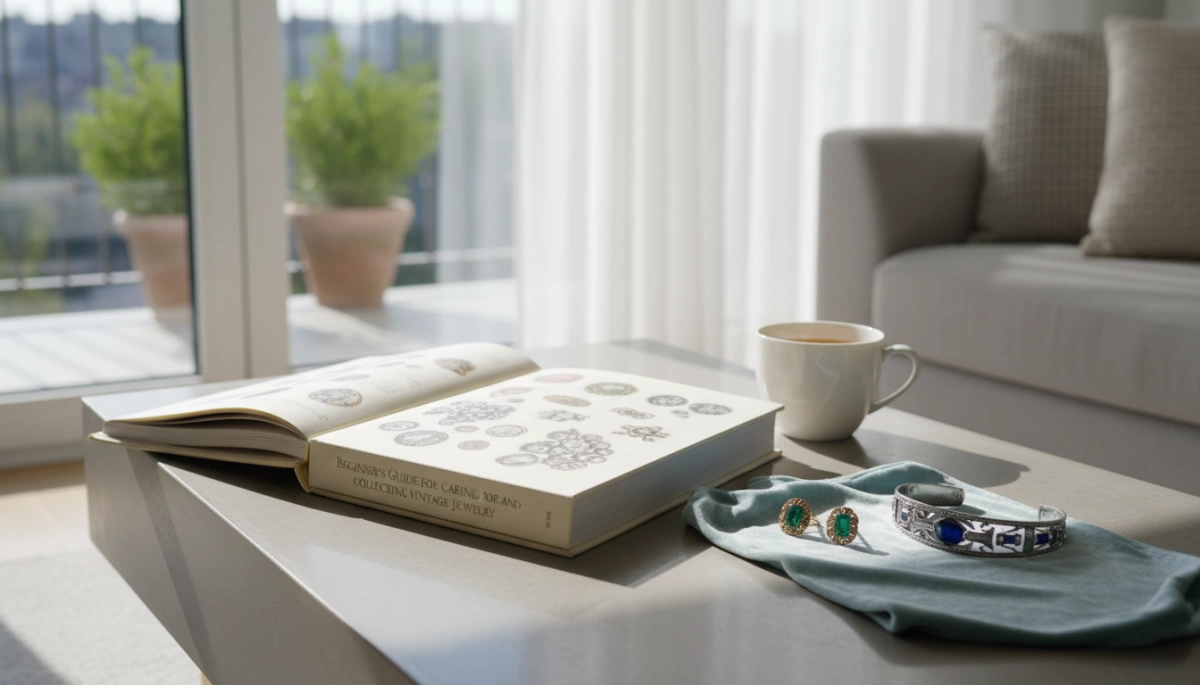
Part One: The Art of the Hunt (Collecting Vintage Jewelry)
Know Your Eras
Understanding the era behind vintage jewelry is your first step in becoming a confident collector. Each period tells a unique story through design and materials:
- Victorian & Edwardian (1837-1910): Think sentimental pieces, often intricate with fine details like lockets and mourning jewelry. These pieces exude romance and historical significance, perfect for those who appreciate a story behind their gems.
- Art Deco (1920s-1930s): Bold geometric shapes shine here, often crafted in platinum with dazzling diamonds and vibrant colored stones. Art Deco engagement rings are a prime example of this era’s striking aesthetic.
- Mid-Century & Retro (1940s-1960s): Glamour takes center stage with bold gold designs, oversized cocktail rings, and statement costume pieces from famous brands like Trifari or Coro, reflecting Hollywood’s golden age.
Tools of the Trade
Before you dive into the market, equip yourself with the right tools:
- Jeweler’s Loupe: A small magnifying glass that helps you see tiny hallmarks, maker’s marks, and details invisible to the naked eye. This is essential for estate jewelry identification.
- Magnet Test: A simple way to check if metals in costume jewelry are base metals or precious. Real gold and silver are not magnetic, so if the piece sticks, be cautious.
Identifying Authenticity & Quality
Spotting a genuine vintage treasure requires a keen eye for key details:
- Hallmarks and Maker’s Marks: Learn to read stamps like “925” for sterling silver, “14k” for gold, or designer signatures. These marks verify metal quality and authenticity.
- Hardware Clues: Clasps and hinges tell a lot—C-clasps and simple hooks often signal Victorian age, whereas safety catches became standard later. These subtle signs help date your piece.
- Material Checks: Know how to differentiate between vintage plastics:
- Bakelite: Often heavier and warmer to touch, with a distinct smell when rubbed.
- Lucite: Lightweight, clear, or brightly colored.
- Modern Plastic: Lacks the aged feel and depth of vintage materials.
Smart Buying Strategies
Avoid common pitfalls by spotting red flags early:
- Watch for glue residue, mismatched stones, or plating that’s too shiny, which may signal repairs or low quality.
- Choose where to shop wisely:
- Estate Sales: Great for authentic vintage finds but require patience.
- Flea Markets: Fun hunting ground but be extra cautious.
- Curated Online Boutiques: Offer vetted, quality pieces—ideal if you want assured authenticity.
By knowing your eras, arming yourself with the right tools, and buying smart, you’ll navigate the vintage jewelry world confidently and uncover stunning pieces full of history and beauty.
Part Two: Preserving History (Caring & Maintenance)
The Golden Rule: Last On, First Off
When wearing vintage jewelry, follow the “Last On, First Off” rule. Always put your jewelry on after applying hairspray, perfume, and lotions, and remove it before using these products. This simple habit helps avoid damage from harsh chemicals, which can dull metals or harm delicate stones over time.
Cleaning Techniques: Do No Harm
Caring for vintage pieces means knowing how to clean them properly without causing damage.
- Fine Jewelry (Gold & Gemstones): Use a mild soap with warm water and a soft brush. Avoid harsh chemicals and ultrasonic cleaners for fragile stones.
- Costume Jewelry: Never soak costume jewelry; water can loosen glue and damage foil-backed rhinestones. Instead, gently wipe them with a damp cloth. This method protects the delicate finish and keeps colors vibrant.
- Organic Materials: Pearls, Coral, and Opal are porous and sensitive. Clean them gently with a soft, damp cloth only, and avoid chemicals entirely.
- The Patina Debate: For silver pieces, know when to polish. Tarnish can add character and value, so excessive cleaning may reduce a piece’s worth. Preserve the natural patina unless tarnish overwhelms the design.
Storage Solutions
Proper storage can extend the life of your vintage jewelry.
- Separation Is Key: Store pieces individually to prevent scratches and damage.
- Climate Control: Keep your collection out of direct sunlight and away from humid places to avoid metal corrosion and stone discoloration.
- Anti-Tarnish Strips & Soft Pouches: Use these to reduce oxidation and protect delicate finishes.
By following these care tips, you’ll maintain the beauty and value of your vintage jewelry collection for years to come. For tips on finding quality estate pieces, check out the insights on finding vintage jewellery online.
Repair and Valuation
DIY vs. Professional Repair
When it comes to repairing vintage jewelry, knowing what you can fix yourself and when to call a pro is key. For minor issues like a missing rhinestone on costume jewelry, a dab of E6000 glue usually does the trick. It’s clear, strong, and safe for most materials—perfect for quick fixes on foil-backed rhinestones or simple costume pieces.
However, more delicate repairs, especially on fine jewelry or pieces with prong settings, demand professional care. If you notice a loose or damaged prong on a vintage ring or bracelet, it’s best to visit a bench jeweler who can expertly retip or reset the prong. This prevents further damage and ensures the gemstone stays securely in place. Trying complex repairs yourself might risk harming valuable or fragile components like gold-filled vs. gold plated surfaces or delicate mounting.
Insurance and Appraisals
Knowing when to insure your vintage jewelry collection is crucial, especially as some pieces gain value over time. Once your collection includes higher-end items or rare finds—like authentic Art Deco engagement rings or estate jewelry with notable maker’s marks and hallmarks—it’s wise to get a professional vintage jewelry appraisal. This not only helps with insurance but also establishes the true worth of your pieces.
Insurance provides peace of mind against loss, theft, or accidental damage. Regular appraisals keep your policy up to date as market values shift. Always choose certified appraisers familiar with estate jewelry identification and vintage costume jewelry brands to ensure accurate valuation.
