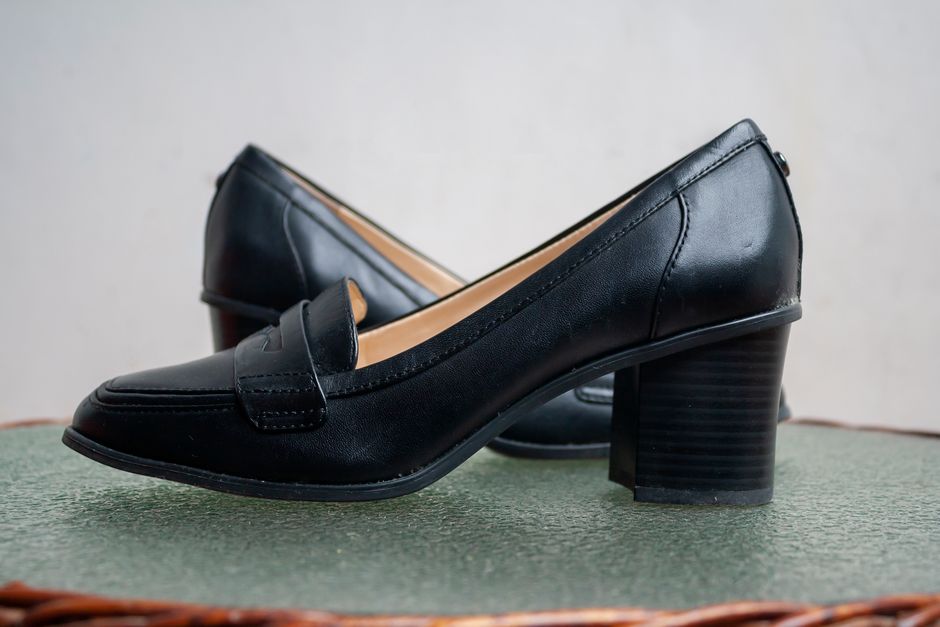
A familiar problem: you put on loafers with jeans, look in the mirror, and see a heavy shoe making the whole outfit feel shorter and less polished. The common misconception is that loafers only work with office clothes or preppy outfits. The real issue is usually proportion. The shoe has visual weight, so the hem, sock, fabric, and silhouette around it must balance that weight.
The best loafer outfits create contrast. A structured shoe can sharpen relaxed denim, while a soft skirt can make the same shoe feel modern rather than strict. The goal is not to copy one fixed aesthetic. It is to control the relationship between the loafer and the rest of the outfit.
Which trouser lengths work best with loafers?
There is no single correct hem, but different lengths create different effects.
| Trouser length | Best effect | Helpful styling detail |
|---|---|---|
| Above the ankle | Clean and casual | Show 2 to 5 centimeters of ankle or sock |
| At the ankle bone | Sharp and balanced | Works well with straight or tapered legs |
| Full length | Long and polished | Keep the hem close to the upper, with little pooling |
| Wide and cropped | Modern and graphic | Repeat the shoe’s weight with a firm jacket or bold bag |
| Long and wide | Relaxed and dramatic | Let the loafer show slightly while keeping the line uninterrupted |
Choose the strongest default
For a dependable everyday outfit, choose a straight-leg trouser that ends at or just above the ankle. Add a tucked shirt, fine knit, or short jacket. This formula leaves enough space around the foot and keeps the loafer visible without making the outfit look overly styled.
Know when to break the rule
Long trousers are not a mistake if the fabric falls cleanly. The failure mode is uncontrolled bunching, not length itself. If the hem folds several times across the upper, shorten it or choose a shoe with a lower visual profile. The clearest verdict is simple: use ankle-length trousers for ease, and full-length trousers for a longer, more continuous line.
How to build a loafer outfit from the ground up
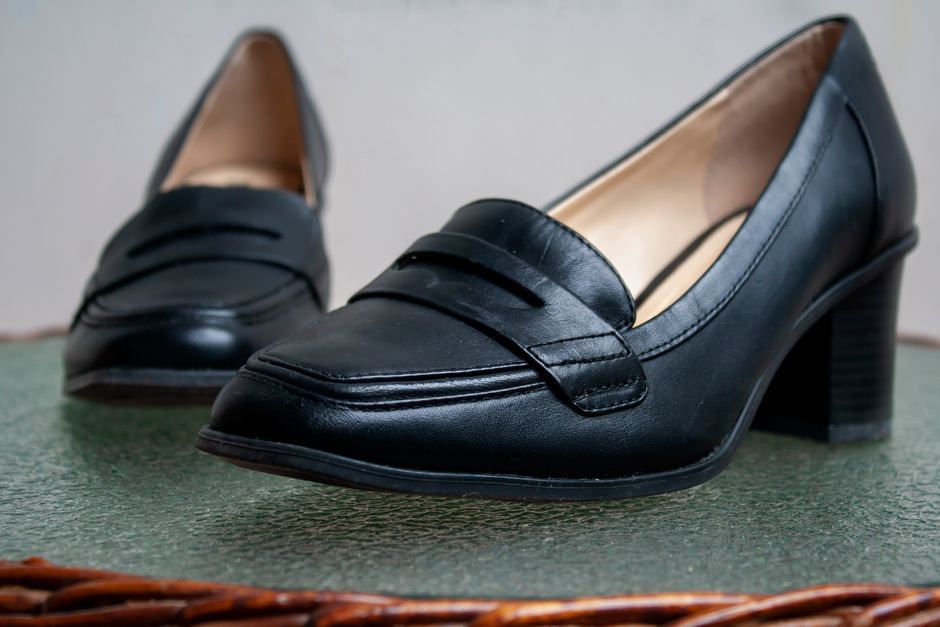
Start with the outfit’s shape before choosing colors. Loafers are low-cut shoes, so they expose more of the top of the foot than many boots do. That open space can make an outfit feel lighter, but it can also make a heavy shoe look disconnected from a delicate skirt or narrow trouser.
Begin with one clear silhouette
Choose one of three starting shapes: fitted top with wide trousers, oversized top with a narrow lower half, or a column shape with similar widths from shoulder to ankle. Avoid making every item oversized at once unless you want a deliberately relaxed look. When the top, trouser, and loafer all have strong volume, the body can lose definition.
A useful proportion is a shorter jacket or sweater with a high-waisted trouser. The upper layer ends near the waist or upper hip, while the trouser creates length below it. The loafer then acts as a visual stop at the bottom instead of dragging the outfit downward.
Use fabric contrast with purpose
Loafers pair well with denim, cotton twill, wool, linen, corduroy, and fluid skirts because each fabric changes the mood of the shoe. Denim makes the outfit casual. Wool makes it sharper. Linen softens the structure. A silky skirt creates tension between polish and movement. That tension is often more modern than matching the shoe to a traditionally formal outfit.
Color can repeat the shoe without copying it exactly. A dark loafer may connect with a belt, bag, glasses, or hair color. A lighter loafer can echo a cream knit, warm-toned trouser, or pale sock. The best outfits usually repeat one visual idea twice, not five times.
Make the ankle area deliberate
The space between trouser and loafer is where many outfits fail. Bare skin feels lighter and more casual. A visible sock adds rhythm and can make the shoe feel less severe. A sock close to the trouser color lengthens the leg, while a contrasting sock draws attention to the ankle. Decide which effect you want before getting dressed.
For a balanced result, keep the ankle area clean, limit competing colors, and check the outfit from the side. The side view reveals bunching, dragging hems, and gaps that a front-facing mirror can hide.
Five practical loafer outfit formulas
Formula one: straight denim and a tucked top
- Use straight-leg jeans that finish near the ankle or fall cleanly over the shoe.
- Add a tucked shirt, fitted cardigan, or simple knit.
- Use a belt or compact bag to give the waist a clear point.
- Choose visible socks for a casual effect or bare ankle for a lighter effect.
This is the most reliable everyday formula because denim softens the loafer while the tucked top preserves shape.
Formula two: wide trousers and a short layer
- Select trousers with enough length to create one continuous line.
- Keep the jacket, cardigan, or sweater at the waist or upper hip.
- Repeat the loafer’s visual weight with a firm shoulder, large watch, or structured bag.
- Avoid a long, loose top that ends at the widest part of the thigh.
This version works best when the trouser drapes rather than clings. The clear verdict: choose it when you want a longer, more fashion-led silhouette.
Formula three: skirt and visible socks
A knee-length or midi skirt can make loafers feel feminine without making them precious. Keep the sock height intentional, usually several centimeters above the shoe, and repeat its color somewhere in the outfit. The shoe should support the skirt, not compete with it.
Formula four: relaxed tailoring
Wear a soft blazer or vest with a simple base layer and straight trousers. Leave one element relaxed, such as rolled sleeves or an untucked shirt, so the outfit does not become rigid. This is the best choice for a polished setting that does not require formal footwear.
Loafer styling questions that solve common problems
Can loafers work with dresses?
Yes. The strongest pairing usually has a clear contrast between the dress and the shoe. A flowing dress benefits from a firmer loafer, while a structured dress may look better with a slimmer, quieter shoe. Keep the hemline and shoe proportion in view: a short dress exposes more leg, while a midi dress creates a stronger horizontal break.
Should socks show with loafers?
Visible socks are a styling choice, not a rule. Show them when you want a preppy, graphic, or layered effect. Keep them low or hidden when you want a cleaner line. The common mistake is allowing a thin sock to bunch around the ankle. A sock should either sit smoothly or disappear.
Can loafers be worn in a casual outfit?
They can, and casual styling is often where loafers look most current. Combine them with denim, relaxed cotton, a simple sweatshirt, or a loose overshirt. Add one neat detail, such as a tucked front, clean cuff, or defined bag, so the outfit feels relaxed rather than unfinished.
If an outfit still feels wrong, change the proportion before changing the color. Shorten the hem, add structure to the upper half, or remove a competing layer. Most loafer problems come from shape, not from a lack of accessories.
When loafers are the wrong choice
Loafers are versatile, but they are not the best answer for every outfit or setting. If you need strong weather protection, a boot with a higher shaft may keep the outfit more practical and visually balanced. If the look depends on a very delicate, barely-there line, a lighter shoe may support it better. If you plan to walk for hours, comfort, grip, and fit matter more than forcing a trend into the outfit.
Recognize the main failure modes
- Ignoring the hem: excess fabric collapses over the shoe and hides its shape.
- Using too many heavy elements: a thick shoe, oversized trousers, long coat, and large bag can overwhelm the frame.
- Matching every color: repeating the shoe in the belt, bag, jacket, and socks can look staged.
- Choosing a delicate top for a heavy shoe: the outfit loses balance unless another structured element connects the two.
- Copying a formula without checking movement: an outfit can look correct while standing but fail when walking, sitting, or climbing stairs.
Make the final decision
For everyday dressing, choose loafers when you want a polished shoe with less formality than a heel and more structure than a trainer. Pair them with a clean hem, one relaxed garment, and one defined detail. For the most dependable result, wear a medium-weight loafer with straight ankle trousers, a tucked or shortened top, and a sock or bare-ankle choice that looks deliberate. That combination is the clearest starting point for styling loafers for women, and it remains flexible across casual, creative, and smart-casual wardrobes.
