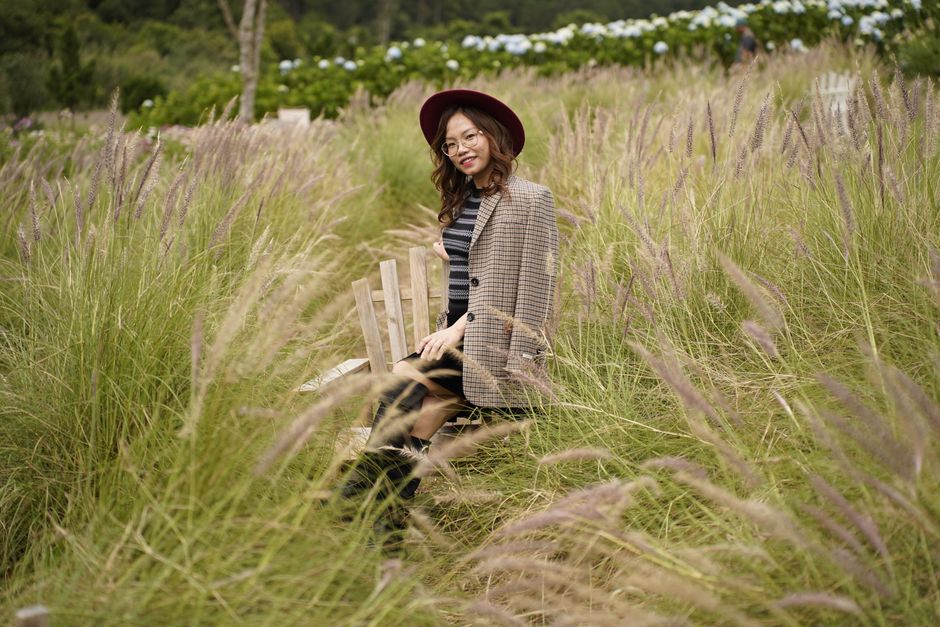
A common misconception is that plaid outfits look busy by default. The pattern is not the real problem. Poor color balance, competing proportions, and too many autumn textures create the visual clutter. A restrained plaid outfit can look sharp, relaxed, romantic, or slightly rebellious without losing its shape.
This guide focuses on women’s fall plaid outfit ideas that work in real wardrobes. It covers color control, layer placement, skirt and trouser proportions, weather changes, and the mistakes that make plaid feel costume-like.
Which Fall Plaid Outfit Formula Works Best?
The strongest starting point is one plaid piece, two quiet supporting colors, and one clear shape. That formula gives the eye a focal point without making the outfit look flat.
| Outfit direction | Best plaid placement | Supporting colors | Overall effect |
|---|---|---|---|
| Casual daytime | Overshirt or relaxed trousers | Denim blue, cream, brown | Easy and grounded |
| Polished office | Blazer, pencil skirt, or tailored trousers | Black, charcoal, burgundy | Structured and controlled |
| Soft autumn | Midi skirt or brushed shirt | Oatmeal, rust, muted olive | Warm and relaxed |
| Evening contrast | Mini skirt, fitted jacket, or narrow scarf | Black, ivory, deep red | Sharper and more dramatic |
Choose the plaid scale before choosing the outfit
Large checks create a stronger visual statement and usually work best on a simple silhouette. Small checks read more quietly, so they can support layered outfits with a coat, scarf, or textured knit. If the plaid has three or more visible colors, keep the rest of the outfit close to the darkest or lightest shade in the pattern.
Use contrast with a purpose
A high-contrast plaid needs calm shapes around it. A low-contrast plaid can handle a stronger shoe, belt, or bag shape. The clearest verdict is simple: for a first fall plaid outfit, choose a medium-scale pattern with two main colors and pair it with solid pieces in matching tones.
How Do You Style Plaid Without Looking Overdone?
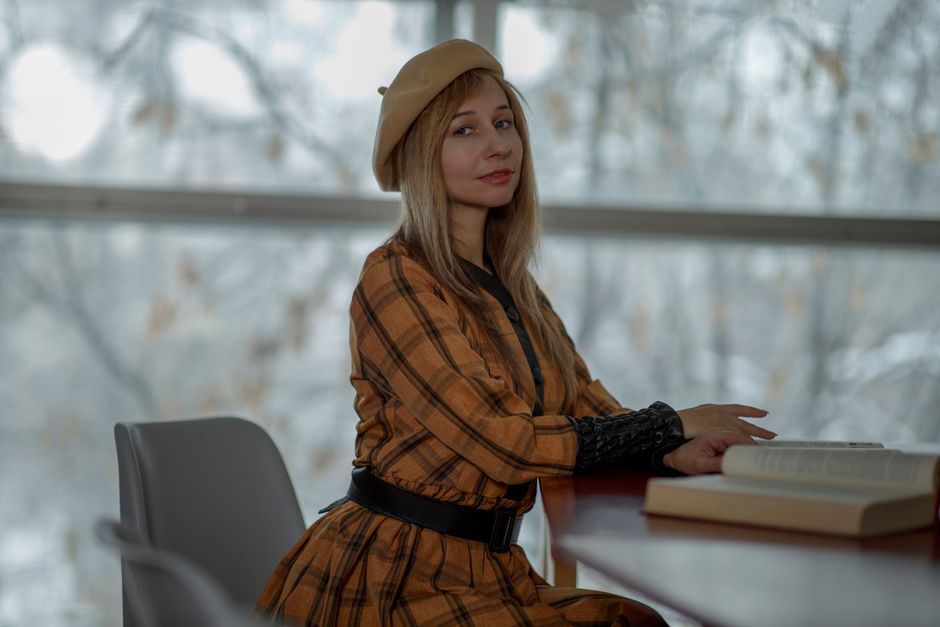
The best approach is to treat plaid as a color map, not as a theme. Pull one quiet shade from the pattern and repeat it once elsewhere, then stop. A plaid shirt with dark trousers and a matching dark shoe usually looks more intentional than a shirt, scarf, skirt, and bag that all repeat the same check. The pattern should lead the outfit; the other pieces should explain it.
Layering also changes the mood. An open plaid overshirt over a plain fitted top feels casual because the pattern breaks up the vertical line. A buttoned plaid shirt tucked into a high-waisted skirt feels neater because the waist becomes the main point of definition. A plaid blazer over a single-color column creates the most polished result because the jacket supplies contrast while the base outfit stays visually quiet.
Keep the base layer plain
A plain base layer gives the pattern room to breathe. Cream, black, navy, gray, and muted brown are reliable because they do not compete with the lines in the plaid. If the pattern contains a bright accent, repeat that accent only in a small detail such as a hair ribbon or narrow belt.
Limit texture competition
Chunky knit, suede, corduroy, leather, and brushed wool all carry visual weight. Combining several of them can make the outfit feel heavy. The most wearable choice is one patterned item, one substantial texture, and one smooth surface. For example, a brushed plaid shirt, smooth denim, and simple leather footwear create contrast without noise.
How Should Plaid Outfits Be Built for Changing Fall Weather?
Fall dressing fails when the outfit only works at one temperature. A morning commute can feel cold, an indoor room can feel warm, and an evening walk can require another layer. The practical answer is to build the look in removable sections. Start with a breathable base, add the plaid as the middle visual layer, and finish with an outer layer that can stand apart from the pattern.
Start with a temperature-ready base
For mild weather, a short-sleeved or lightweight long-sleeved base works under an open plaid shirt. When the temperature drops, use a close-fitting knit instead of adding a second loose top. Too much volume around the torso hides the waist and makes the plaid look accidental. A fitted base also lets the plaid layer remain open without creating a shapeless block.
Place warmth where it helps
Warmth does not need to come from every layer. A heavier outer coat, tights, socks, or a scarf can do more than piling on several thick tops. If the plaid piece is already brushed or lined, keep the next layer smooth. This reduces bunching at the shoulders and under the arms.
Build an outfit that can be edited
For a day that moves between 45°F and 65°F, use three removable sections: a light base, a plaid middle layer, and a solid outer layer. Wear the plaid open indoors, button it during a cool walk, or remove it when the coat provides enough contrast. A midi skirt with tights can use the same system as straight-leg trousers. The silhouette changes, but the temperature logic stays consistent.
The main failure mode is choosing a plaid layer that is too bulky for the outer layer. Test the shoulder and sleeve area before leaving home. If the coat pulls across the back or the plaid sleeve bunches at the wrist, remove one layer rather than forcing the outfit to work.
Five Mistakes That Make Fall Plaid Outfits Look Unbalanced
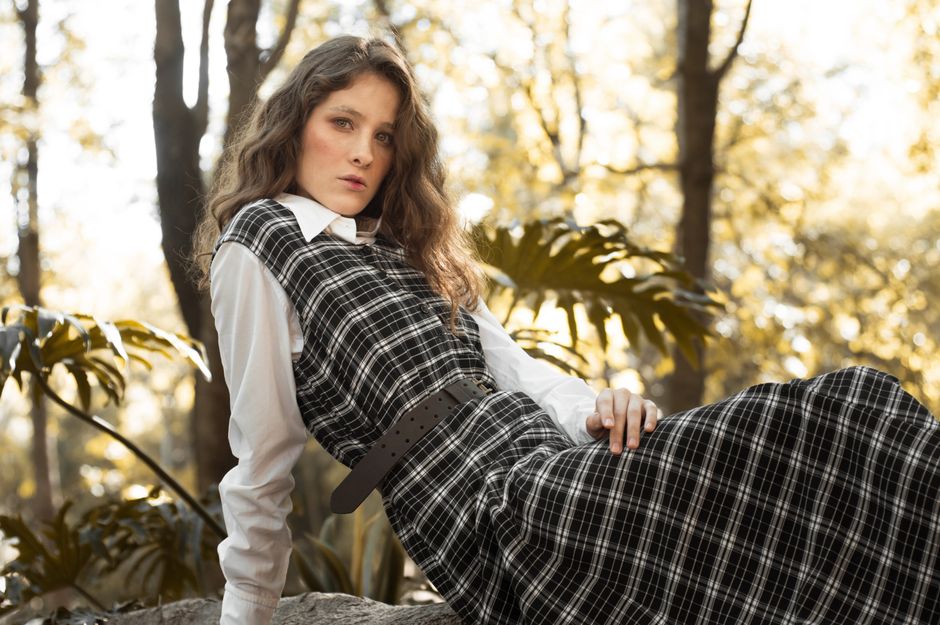
Good plaid styling depends less on adding new pieces and more on removing the elements that fight each other. Use this checklist when an outfit looks almost right but still feels awkward.
- Repeating the same plaid too many times. A matching shirt and skirt can look deliberate, but adding a checked scarf and checked bag often removes the sense of hierarchy. Keep one plaid item as the main event unless the pieces form a clearly tailored set.
- Ignoring the line of the outfit. A long loose overshirt over a wide-leg trouser can hide the waist and shorten the legs visually. Add a partial tuck, open the shirt, or choose a shorter layer to create a visible break.
- Matching every color exactly. Exact color repetition can make the outfit look assembled from a costume palette. Choose related shades instead: soft cream with warm beige, charcoal with faded black, or rust with muted brown.
- Using too many seasonal signals. Plaid, tall boots, a felt hat, a scarf, a vest, and a heavy coat can announce autumn too loudly. Keep two clear seasonal details and let the rest of the outfit stay modern and plain.
- Choosing pattern scale without considering body placement. Large checks draw attention. Place them where you want the eye to pause, then use smaller details or solid fabric near areas you want to keep quiet.
The strongest correction is usually subtraction. Remove one accessory, open one layer, or replace one textured item with a smooth solid piece. If the outfit improves immediately, the issue was visual competition rather than a lack of style.
Fall Plaid Outfit Questions, Answered by Styling Problem
Can plaid work in a polished outfit?
Yes. Choose a tailored plaid layer with a clean edge and pair it with a single-color base. Sharp trousers, a narrow skirt, or a simple dress give the pattern structure. Avoid adding several casual details at once. The best polished plaid outfit uses one clear pattern, one defined waist or shoulder line, and restrained accessories.
Can petite women wear large plaid?
Yes, but placement matters. A large check can overwhelm a short frame when it covers a loose, oversized garment from shoulder to hem. Use the pattern on a cropped jacket, fitted skirt, or open layer over a long solid base. Showing a continuous column of one color underneath helps preserve vertical length.
What should be worn with plaid trousers?
Use a plain top with a shape that balances the trousers. Wide plaid trousers work well with a fitted knit or a short jacket. Narrow plaid trousers can handle a relaxed sweater, provided the hem remains visible. The cleanest choice is to repeat one color from the trouser pattern in the top and keep the shoes simple.
When should someone skip plaid?
Skip it when the outfit already contains several strong prints, high-contrast textures, or complicated layers. Plaid is also a poor choice when the garment fit is uncertain, because the lines can reveal pulling, twisting, or uneven hems. In those situations, a solid textured piece offers the same autumn feeling with less visual risk.
The single most important takeaway is this: the best fall plaid outfit uses one controlled pattern, a clear silhouette, and enough solid space for the eye to rest.
