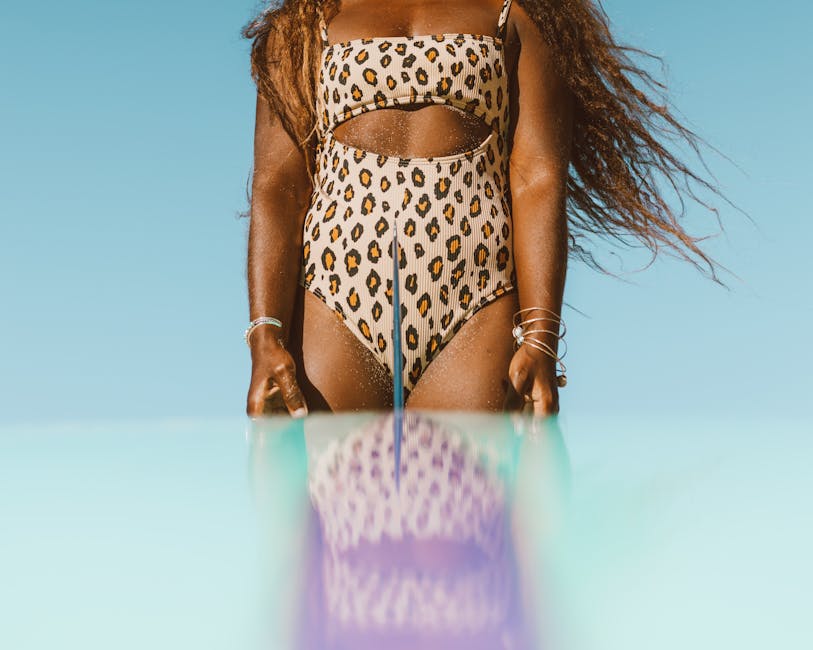
Wondering how to pick the best swimwear in the UK for 2025 that truly flatters and feels comfortable? Finding a swimsuit isn’t just about the latest trends; it’s about understanding your body, knowing what fabrics perform best, and making a choice that lasts beyond one summer. A poorly fitting suit can ruin a beach day faster than anything else. This guide walks you through the essentials, from body shapes to fabric technology, ensuring your investment pays off.
Understanding Your Body Shape for Swimwear
Choosing swimwear that genuinely enhances your natural figure starts with identifying your body shape. This isn’t about hiding or changing your body, but rather accentuating your best features and ensuring comfort. There are generally five common body types, and each benefits from specific swimwear cuts and styles.
First, stand in front of a mirror and take a good look. Consider the width of your shoulders, bust, waist, and hips. Don’t be too critical; the goal is simply to understand your proportions. Once you have a sense of your general shape, you can start exploring styles that will offer the most flattering silhouette and provide the right level of support.
The Apple Shape: Balancing Proportions
An apple shape typically means you carry more weight around your midsection, with broader shoulders and a less defined waist. Your legs are often a strong asset. The key here is to draw attention upwards or downwards, creating a more balanced look and providing support where needed. Look for one-piece swimsuits with ruching or paneling across the tummy area. High-waisted bikinis can also offer excellent coverage and help define the waist. Halter necks or plunging necklines are great for drawing the eye up. Avoid very thin fabrics that cling tightly around the stomach, or tiny bikinis that offer little support or coverage.
The Pear Shape: Highlighting the Top
If you have a pear shape, your hips and thighs are wider than your bust and shoulders. Your waist is usually well-defined. The strategy for swimwear is to add volume or detail to your top half while providing comfortable, modest coverage on the bottom. Try bikinis with bold patterns, ruffles, or embellishments on the top, paired with solid-coloured bottoms.
The Rectangle Shape: Creating Curves
A rectangle shape implies your shoulders, bust, waist, and hips are relatively similar in width, without much definition at the waist. The aim is to create the illusion of curves. Swimwear with cut-outs, ruffles, or embellishments can add dimension. Monokinis or one-pieces with side cut-outs are fantastic for creating a cinched waist effect. Bikinis with tie-side bottoms and padded or push-up tops can also add volume where desired. Look for bold patterns and horizontal stripes. Avoid very straight, simple one-piece suits that might further emphasize a linear silhouette.
The Hourglass Shape: Emphasizing Balance
An hourglass figure means your bust and hips are roughly equal in width, with a clearly defined, narrower waist. This shape is naturally balanced. The best approach is often to choose swimwear that maintains this balance and highlights your waist. Retro high-waisted bikinis, classic one-pieces with a defined waistline, or bandeau tops all work well. You can essentially wear most styles, but those that enhance your natural curves are ideal. Avoid ill-fitting tops or bottoms that might flatten your shape or fail to provide adequate support for your bust and hips.
Key Swimwear Trends for Summer 2025
The swimwear landscape for 2025 is shaping up to be a blend of nostalgic elements and forward-thinking sustainability. Designers are focusing on comfort, versatility, and unique details that allow for personal expression. Here are some of the most prominent trends you can expect to see across UK beaches and resorts:
-
Retro Revival: 70s and 80s Influences: Expect a strong nod to past decades. High-cut legs reminiscent of the 80s are making a huge comeback, elongating the silhouette. The 70s bring in earthy tones, crochet details, and more relaxed, bohemian styles. Think bold prints, wide straps, and even some integrated belts.
-
Textural Play: Ribbed and Ruched Fabrics: Beyond smooth lycra, 2025 will see an emphasis on textured fabrics. Ribbed materials offer a subtle visual interest and a comfortable, supportive feel. Ruching, especially across the torso or bust, adds dimension and can be incredibly flattering, offering flexibility in fit.
-
Sustainable and Eco-Conscious Materials: As consumer awareness grows, so does the demand for sustainable options. Brands are increasingly utilizing recycled nylon, regenerated polyester (like ECONYL), and even innovative plant-based fibres. Look for transparency in sourcing and production from your favourite brands.
-
Mix-and-Match Separates: The days of strictly matching bikini sets are fading. Consumers are embracing the freedom to mix different prints, colours, and styles for tops and bottoms. This trend allows for greater customization, personal style expression, and the ability to find a perfect fit for both halves of your body.
-
Integrated Resort Wear: Swimwear is no longer just for swimming. Pieces are designed to transition seamlessly from the beach to a casual lunch or evening stroll. This means more stylish cover-ups, sarongs, and even one-pieces that double as bodysuits, often featuring elegant necklines or unique detailing.
-
Bold Cut-outs and Asymmetrical Designs: For those looking to make a statement, dramatic cut-outs and asymmetrical designs will be prominent. These can be strategically placed to highlight the waist or décolletage, adding a modern, edgy touch to both one-pieces and bikinis.
Decoding Swimwear Fabric and Technology
The materials your swimwear is made from play a crucial role in its comfort, durability, and performance. Understanding common fabric types and their technological enhancements can significantly influence your purchase decision, ensuring your swimsuit withstands sun, sand, and chlorine.
Most swimwear is a blend of synthetic fibres, chosen for their elasticity, quick-drying properties, and resistance to degradation. However, not all blends are created equal. The percentage of each fibre, along with specific treatments, can make a significant difference to how the suit feels and lasts.
Nylon and Polyester: The Core of Swimwear
Nylon is a popular choice due to its strength, smooth feel, and excellent elasticity when blended with spandex. It dries relatively quickly and holds colour well. However, it can be susceptible to chlorine damage over time, leading to fading and loss of elasticity if not cared for properly. Many performance swimsuits use nylon blends for their sleek profile and comfort.
Polyester, especially recycled polyester, is gaining traction. It offers superior chlorine resistance compared to nylon, making it a great option for regular swimmers or those spending long periods in chlorinated pools. Polyester also boasts excellent UV resistance, helping to prevent fabric breakdown from sun exposure. While it might not feel quite as soft as pure nylon, modern polyester blends are highly comfortable and durable.
Spandex (Lycra/Elastane): The Stretch Factor
Spandex, also known as Lycra or Elastane, is the miracle fibre that gives swimwear its stretch and shape retention. Typically making up 10-20% of the fabric blend, it allows the suit to hug the body, move with you, and spring back into shape. Higher percentages of spandex usually mean more compression and a firmer fit. However, spandex is the most vulnerable component to chlorine, heat, and sunscreen. Its degradation is often what causes swimwear to sag and lose its form. For prolonged use, look for fabrics with enhanced
UV Protection and Quick-Drying Finishes
Beyond the core fibres, many swimwear fabrics come with added technologies.
Quick-drying finishes are another common feature, often achieved through specific weave structures or chemical treatments that wick moisture away from the body and allow it to evaporate faster. This is not only comfortable but also helps prevent mildew and bacterial growth, contributing to the longevity of your suit.
Selecting the Right Support and Coverage

When choosing swimwear, getting the right level of support and coverage is just as important as the style. A suit can look amazing on a hanger, but if it doesn’t provide the practical elements you need, it will likely stay in your drawer. For 2025, the best swimwear prioritizes both aesthetics and functionality.
My firm recommendation for anyone, regardless of bust size, is to prioritize adjustable features. Straps that can be tightened or loosened, and back closures that offer multiple settings, make a profound difference. These small details allow you to customize the fit, ensuring comfort and preventing common issues like digging straps or sagging cups.
Bust Support: Beyond Underwire
For larger busts, robust support is non-negotiable. While underwire swim tops provide excellent lift and separation, they aren’t the only solution. Look for styles with wide, adjustable shoulder straps, especially those that can cross over at the back for extra stability. Built-in shelf bras with elastic bands and molded cups can offer substantial support without the rigidity of underwire. Brands like Figleaves and Panache Swim are renowned in the UK for their extensive range of D+ cup sizes, often using bra-sized approaches for a precise fit. For smaller busts, soft cups or simple bralette styles are usually sufficient, with triangle bikinis or bandeau tops offering versatile options from brands like ASOS or H&M.
Coverage Preferences: From Minimal to Modest
Coverage is a deeply personal choice. Some prefer minimal bottom coverage, like Brazilian or thong cuts, which are increasingly popular. Others prefer fuller coverage briefs or shorts. For the midsection, high-waisted bottoms offer more tummy coverage, a trend that continues into 2025. One-piece swimsuits vary widely, from plunging necklines and high-cut legs to more modest, full-coverage designs. If you’re looking for adaptable coverage, consider swim dresses or tankini sets, which allow you to combine different tops and bottoms. Brands like Boden often provide good mid-range coverage options, while Speedo offers more athletic, full-coverage suits for active use.
Making Your Swimwear Last: Care Tips
Investing in quality swimwear means little if you don’t take the time to care for it properly. Chlorine, salt, sand, and even sunscreen can break down fabric fibres, leading to fading, sagging, and a shorter lifespan for your favourite suit. Following a few simple steps can dramatically extend its life.
-
Rinse Immediately After Use: As soon as you step out of the pool or sea, rinse your swimsuit thoroughly under cool, running tap water. This is the single most important step. It washes away chlorine, salt, and sand before they have a chance to set into the fabric and cause damage. Don’t wring it out aggressively; gently squeeze excess water.
-
Hand Wash with Mild Detergent: For a deeper clean, hand wash your swimsuit after every few wears. Fill a basin with cool water and add a tiny amount of mild soap, specifically one designed for delicates or a gentle lingerie wash. Submerge the suit and gently swish it around. Avoid harsh detergents, bleach, or fabric softeners, as these can degrade the spandex fibres and break down colours.
-
Air Dry Flat, Out of Direct Sunlight: Once washed, gently roll your swimsuit in a clean, dry towel to absorb excess water. Then, lay it flat on a clean surface or hang it over a shower rod to air dry. Never put swimwear in a tumble dryer; the high heat is extremely damaging to the elastic fibres. Direct sunlight can also cause colours to fade, so choose a shaded, well-ventilated spot.
-
Rotate Your Swimwear: If you swim frequently, consider having a few swimsuits in rotation. This gives each suit time to fully dry and recover its shape between wears, reducing the constant exposure to harsh elements and extending the life of each individual piece.
-
Be Mindful of Surfaces and Sunscreen: Rough surfaces like concrete or pool edges can snag and pill swimwear fabric. Always lay down a towel before sitting. Be careful with sunscreen and tanning oils, as they can stain or break down fabric. Apply them at least 20 minutes before putting on your suit, or choose mineral-based sunscreens that are less harsh on fabrics.
Swimwear Fit Issues: Common Problems and Solutions
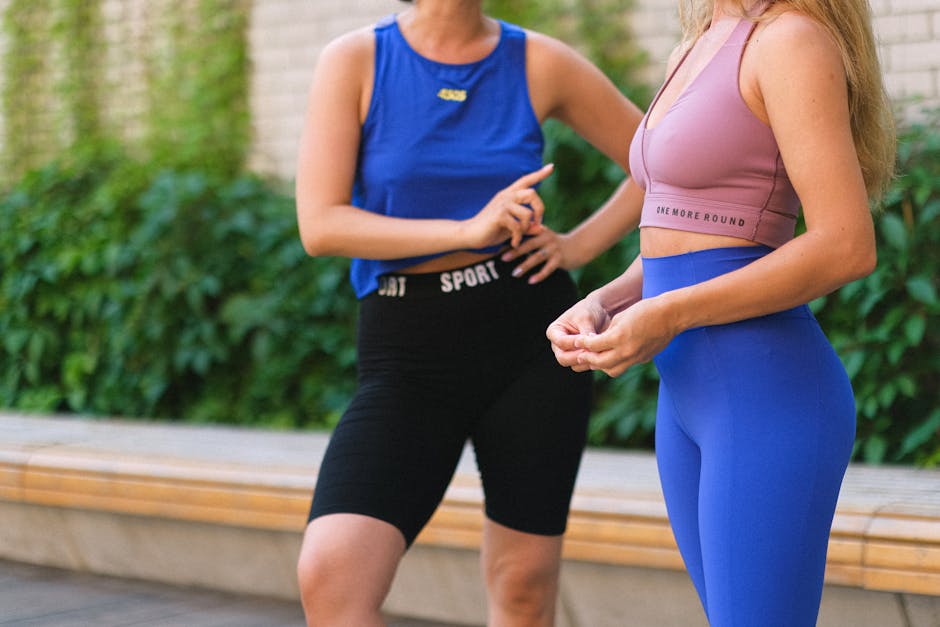
Even with careful selection, fit issues can arise. A swimsuit should feel like a second skin, comfortable and secure, not something you’re constantly adjusting. Addressing these common problems can transform your beach or poolside experience from frustrating to fantastic.
Why does my bikini top gap or pucker?
Gaping or puckering in the cups of your bikini top usually means the cup size is too large, or the band isn’t snug enough. If the band feels loose around your rib cage, it won’t provide adequate support, allowing the cups to sag away from your body. Try going down a band size or selecting a top with adjustable straps and a stronger underband. For cup issues, consider a smaller cup size or a style with more structure, such as molded cups, which hold their shape better. Brands like Calzedonia or Hunkemöller offer various cup styles that might solve this issue.
How do I stop my swimsuit straps from digging in?
Straps that dig into your shoulders are a sign that they are bearing too much of the suit’s weight, indicating a lack of support from the band. The primary support for your bust should come from the band around your rib cage, not the straps. Ensure the band is firm and level across your back. If the band is secure and straps still dig, the suit might be too small overall, or the strap material itself is too narrow for the weight it needs to support. Look for wider straps, particularly those that are adjustable and perhaps convertible to a cross-back style for added lift, common in athletic swimwear from brands like Arena.
What causes my bikini bottoms to ride up or chafe?
Bikini bottoms that constantly ride up or cause chafing are typically too small or have an inadequate cut for your body shape. If the fabric is pulling taut and creating uncomfortable lines, you need to go up a size. Sometimes, the cut itself is the problem; very narrow or low-rise styles might not suit everyone. Consider bottoms with more coverage, a slightly higher waist, or a different leg opening.
My one-piece swimsuit feels too short in the torso. What should I do?
If your one-piece feels like it’s pulling uncomfortably at the shoulders or crotch, it’s likely too short in the torso. This is a common issue for taller individuals or those with a longer torso length. Many brands now offer "long torso" or "tall" options specifically to address this. Look for brands that cater to different body heights, or consider styles with adjustable shoulder straps that provide a bit more length. Some deep V-neck or open-back designs can also offer more flexibility in torso length. While not universally available, a quick search for "long torso swimsuits UK" will reveal specialized retailers.
Summary: Key Considerations for Your 2025 Swimwear Purchase
Finding the perfect swimwear for 2025 in the UK boils down to a few core principles. By keeping these in mind, you’re better equipped to make a choice that leaves you feeling confident and comfortable, season after season.
- Body Shape First: Understand what styles naturally flatter your figure and provide the best support.
- Fabric Matters: Prioritize durable, chlorine-resistant, and quick-drying materials, especially if you’re a frequent swimmer.
- Trends Are a Guide, Not a Rule: Embrace styles that resonate with your personal taste and lifestyle, rather than blindly following every trend.
- Adjustability is Key: Look for adjustable straps, ties, and closures for a customized and secure fit.
- Proper Care Extends Life: Rinse immediately, hand wash gently, and air dry to preserve your swimwear’s integrity.
- Address Fit Issues: Don’t settle for discomfort. Solutions exist for common problems like gaping, digging, and chafing.
