The Scenario & My Initial Decathlon Down Jacket Mistake
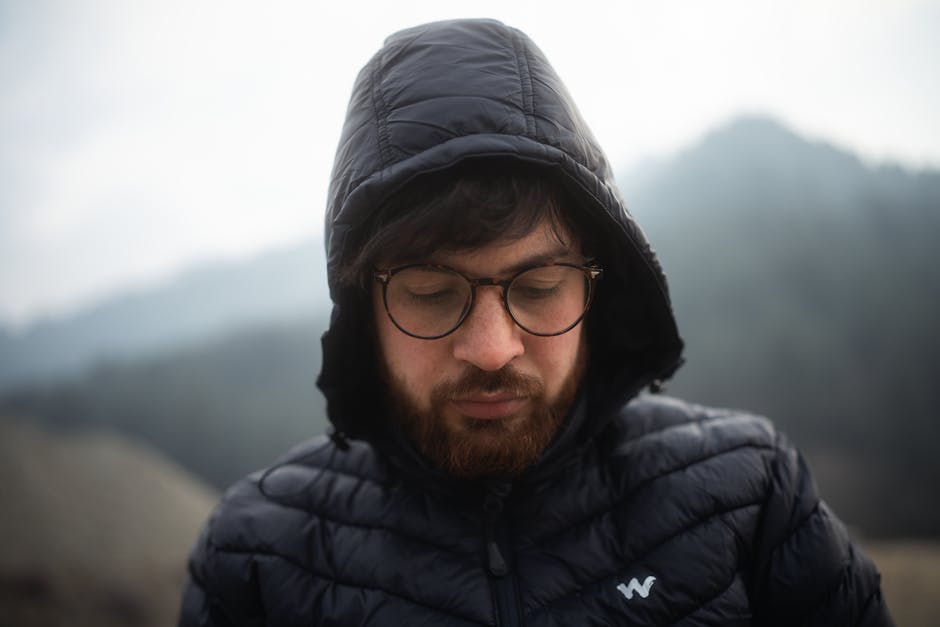
It was a crisp November morning, maybe -5°C, and I was layered up, heading out for a pre-work hike. Snow dusting the peaks, a bitter wind whipping through the valley. I pulled my relatively new Decathlon down jacket tighter, but the shivers started almost immediately. My teeth chattered a bit, and I knew right then I’d made a classic mistake: I’d bought what I thought was a ‘down jacket’ without understanding what truly makes one warm enough for specific conditions. I’d gone for the cheapest option, figuring down was down. It isn’t.
That first jacket, a basic model from Decathlon’s Quechua range, was fine for throwing on to grab groceries or sitting by a campfire in autumn. But for active cold weather, especially when the wind picked up or I stopped moving? Totally inadequate. I ended up cutting my hike short, hands numb, realizing a bargain isn’t always a deal if it doesn’t do the job.
Why I Bought the Quechua Trek 100 ($45)
I picked up the Quechua Trek 100 down jacket for about $45 back in 2021. The price was, honestly, the main draw. It felt light, packed down small, and I figured for ‘light hiking’ or ‘urban commutes,’ it would be perfect. It boasts a fill power of around 500 cuin, which sounds okay on paper if you don’t know what that actually means. It’s 85% duck down, 15% feather, with a total down weight of about 70-80 grams in a size L. For light conditions, a quick jaunt from the car to the office, it works. But that’s where its utility ends.
What Went Wrong on a Snowy Hike
The problem with the Trek 100 became clear when I pushed it past its comfort zone. Out on that snowy trail, moving but not intensely, the wind cut right through its thin fabric. When I stopped for a water break, the cold seeped in, fast. The low fill power meant there wasn’t enough loft to trap a significant amount of warm air. It wasn’t built for sustained exposure or genuinely cold temperatures. It was a fair-weather friend, and I needed a mountain guide.
Fill Power & Weight: What Those Numbers Actually Mean for Warmth
When you’re looking at down jackets, two numbers will come up constantly: fill power and weight. These aren’t just marketing jargon. They directly dictate how warm the jacket is, how much it weighs, and how small it packs. Understanding them is paramount to choosing the right jacket, whether it’s from Decathlon or anywhere else.
Fill power, often expressed in cubic inches per ounce (cuin), measures the loft or fluffiness of the down. Higher numbers mean more air trapped per ounce of down. This translates to more warmth for less weight. Imagine two sponges: one dense, one airy. The airy one, if it were down, would have higher fill power. A jacket with 800 cuin down will be significantly warmer and lighter than a jacket with 500 cuin down, even if both contain the same *weight* of down. My initial Trek 100 at 500 cuin was definitely at the lower end of the spectrum. For serious cold or lightweight backpacking, you’re usually aiming for 650 cuin and up. This measurement applies to both duck and goose down, though goose down generally has a higher potential for fill power and often lasts longer.
The total weight of the down fill (in grams or ounces) is also crucial. This is different from fill power. A jacket could have 800 cuin down, but if it only has 50 grams of it, it won’t be as warm as a jacket with 600 cuin down and 200 grams of it. You need both a high fill power *and* sufficient fill weight for true warmth. This is why a puffy jacket isn’t just puffy; it’s a calculated balance. The outer fabric and zippers also contribute to the overall jacket weight, of course, but it’s the down inside that does the heavy lifting for insulation.
Understanding Fill Power (Cuin): The Real Story
Don’t just look at ‘down jacket.’ Look for the fill power rating. Most casual jackets will be in the 500-600 cuin range. These are good for mild winter days or layering. For serious outdoor activities in colder temperatures, you want 650 cuin and above. The higher the number, the more efficient the insulation. An 800 cuin jacket can provide the same warmth as a 600 cuin jacket but with significantly less bulk and weight, which is a massive advantage when space and weight are critical, like backpacking or climbing.
Down vs. Synthetic: When Each Excels
While this article focuses on down, it’s worth a quick mention: synthetic insulation is a different beast. Down is king for warmth-to-weight ratio and compressibility. However, down loses its insulating properties when wet. If you’re consistently in damp, rainy, or extremely humid conditions where down might get soaked, synthetic insulation (like Primaloft or Decathlon’s own WARMFILL) might be a better choice. It retains warmth even when wet, though it’s typically bulkier and heavier for the same warmth.
Jacket Weight vs. Packability: A Compromise
A lighter jacket usually means less down or higher fill power down. Less down means less warmth (unless the fill power is exceptionally high), but also better packability. The sweet spot depends on your activity. For ultralight backpacking, a super light jacket with 800+ cuin and minimal features is ideal. For general winter use, you might prioritize a bit more down weight and a tougher outer fabric, even if it adds a few grams. My heaviest Decathlon down jacket, the Forclaz MT900, still packs down to the size of a liter water bottle, which is incredibly useful.
My Top 3 Decathlon Down Jackets for 2026 (Table Comparison)
After years of trying different models and learning from my mistakes, I’ve settled on three Decathlon down jackets that genuinely deliver for different needs. Here’s how I break them down, based on my personal experience with the 2026 iterations.
| Feature | Quechua Trek 500 Down (Men’s/Women’s) | Forclaz MT100 Down (Men’s/Women’s) | Forclaz MT900 Down (Men’s/Women’s) |
|---|---|---|---|
| Typical Price (2026) | ~$70 – $80 | ~$90 – $100 | ~$150 – $170 |
| Fill Power (cuin) | 600 (85% down, 15% feather) | 700 (90% down, 10% feather) | 800 (90% down, 10% feather) |
| Fill Weight (Size L) | 100-110g | 115-125g | 170-180g |
| Approx. Weight (Size L) | 290g | 290g | 410g |
| Recommended Temp. (Static) | 5°C to -5°C | 0°C to -10°C | -5°C to -15°C |
| Best Use Case | Mild winter, layering, urban, light hiking | Backpacking, active winter sports, layering | Cold weather trekking, mountaineering, static warmth |
| Packability | Good, small stuff sack | Excellent, very compact stuff sack | Good, integrated stuff pocket |
Quechua Trek 500: The Everyday Workhorse
The Quechua Trek 500 is my go-to for daily life in winter. It’s a significant step up from the Trek 100 in terms of warmth and features. At 600 fill power and with a decent fill weight, it handles mild winter days (think 0°C to -5°C) perfectly, especially if you’re moving. It’s light enough to forget you’re wearing it but provides enough warmth for walks, commutes, or even light snowshoeing. The pockets are functional, and the fit is comfortable for layering a fleece underneath. For the price, it’s outstanding value and my number one recommendation for most people who need a solid, versatile down jacket.
Forclaz MT100: The Backcountry Bargain
If you’re heading into the backcountry, even for casual overnight trips, the Forclaz MT100 is where I’d start. The 700 fill power makes a noticeable difference in warmth-to-weight, and it compresses down incredibly small. It’s designed for active use, so the fit is a bit more athletic, and the materials feel a touch more durable than the Trek 500. This jacket is fantastic for backpacking where every gram counts. I’ve worn it on multi-day winter hikes in the Dolomites, paired with a shell, and it kept me comfortable down to about -8°C while active.
Forclaz MT900: Peak Performance for the Price
For colder conditions, particularly when you need more static warmth or are heading to higher altitudes, the Forclaz MT900 is the undisputed champion in Decathlon’s lineup. This jacket is a proper puffy. The 800 fill power combined with a substantial fill weight provides serious insulation. It’s got a well-designed hood, more robust zippers, and a tougher outer fabric. I rely on the MT900 for belaying, winter camping, and when temperatures consistently drop below -10°C. It’s not an ultralight piece, but it’s incredibly warm for its weight and blows away anything else near its price point.
Don’t Buy This Decathlon Down Jacket (Get This Instead)

I’m going to be direct: if you’re looking for a down jacket to keep you truly warm in winter, do not buy the Quechua Trek 100. I know the price tag, typically around $45-$50, is incredibly tempting. It feels like a steal. But it’s a false economy for cold weather. You’ll find yourself layering so much underneath that you negate its lightweight advantage, and still feel cold once you stop moving or the wind picks up. It’s a jacket for cool evenings, not cold days. Save your money, because you’ll likely end up replacing it sooner than you think, just like I did.
Instead, stretch your budget just a little further and invest in the Forclaz MT100. For around $90-$100, you jump from 500 cuin to 700 cuin, get a higher down percentage, and a jacket that’s genuinely capable of handling active winter conditions and colder static temperatures. The difference in performance is vast for a relatively small increase in cost. The MT100 packs smaller, is more durable, and offers significantly better warmth-to-weight. It’s the smarter long-term investment if you plan on actually using your down jacket outdoors in the cold. You’ll thank yourself when you’re not shivering on the trail.
Why the Trek 100 Isn’t Worth It for Real Cold
The Quechua Trek 100 has its place, maybe as an emergency layer in a summer pack or for a brisk autumn morning. But for anything approaching true winter (0°C and below), its low fill power and minimal down weight simply don’t cut it. The outer fabric is also quite thin and offers little wind resistance, which further compromises its warmth when conditions get breezy. You need more loft, more insulation, and a bit more protection. The Trek 100 lacks these critical attributes for real cold.
The Forclaz MT100: A Better Entry Point
The Forclaz MT100, on the other hand, is a proper technical piece for its price. It’s designed for trekking and offers a much better balance of warmth, weight, and packability. The 700 cuin down is high quality, and the jacket includes practical features like zippered hand pockets and a compact stuff sack. It’s a versatile option that can serve as a standalone jacket in moderately cold, dry conditions or as an excellent mid-layer under a waterproof shell for more extreme weather. It’s where genuine value truly begins in Decathlon’s down jacket range for outdoor enthusiasts.
Extending Your Down Jacket’s Life: Washing and Storage Tips
Down jackets are an investment, even the affordable Decathlon ones. Proper care can significantly extend their lifespan and maintain their insulating power. Ignoring these steps is the quickest way to end up with a flat, lumpy, and less warm jacket.
- Wash Infrequently: Only wash your down jacket when it’s genuinely dirty. Spot clean small stains with a damp cloth and mild soap. Over-washing can degrade the down.
- Use Down-Specific Cleaner: Standard detergents can strip down’s natural oils, reducing its loft. Use a technical cleaner like Nikwax Down Wash Direct or Grangers Down Wash. Follow the instructions precisely.
- Front-Loading Machine Only: A top-loader with an agitator can damage the jacket. Use a gentle cycle with cold water.
- Extra Rinse Cycles: Ensure all soap residue is completely rinsed out. Two or three extra rinse cycles are often necessary.
- The Tennis Ball Trick for Drying: This is critical. After washing, gently squeeze out excess water. Tumble dry on a low heat setting with 3-5 clean tennis balls or dryer balls. The balls will break up clumps of down and restore loft. This can take several hours, sometimes 4-6 hours or more. Take it out periodically to manually break up any stubborn clumps.
- Ensure Complete Dryness: Any residual moisture will lead to mildew and damage the down. Make absolutely certain the jacket is bone dry before storing.
- Long-Term Storage: Don’t Compress It: Never store your down jacket compressed in its stuff sack for long periods. This permanently damages the down’s loft. Hang it on a wide hanger in a closet, or loosely store it in a large breathable bag (like a cotton pillowcase).
- Patch Small Tears Promptly: Use gear repair tape (like Tenacious Tape) or specialized down patch kits to fix small tears immediately. This prevents down leakage and larger damage.
The Tennis Ball Trick for Washing
This isn’t just a suggestion; it’s a non-negotiable step for drying a down jacket. Without tennis balls (or specialized dryer balls), the wet down will clump together into dense, flat masses. These clumps won’t dry properly, and even if they do, the down won’t regain its loft or insulating ability. The constant gentle beating from the balls during the low-heat tumble dry cycle fluffs the down back up, distributing it evenly within the baffles and restoring its warmth-trapping capabilities. Be patient; this is the longest part of the cleaning process.
Long-Term Storage: Don’t Compress It
I’ve seen too many people shove their expensive down jackets into their tiny stuff sacks at the end of winter, only to pull out a flat, useless garment the next season. Down needs air to maintain its loft. Keeping it compressed for months on end will crush the delicate down plumes, reducing their ability to trap air and, consequently, their insulating power. Always store your down jacket uncompressed. If you don’t have a lot of closet space, a large mesh laundry bag or even a clean pillowcase will work better than the stuff sack for long-term storage.
Should You Buy a Decathlon Down Jacket?
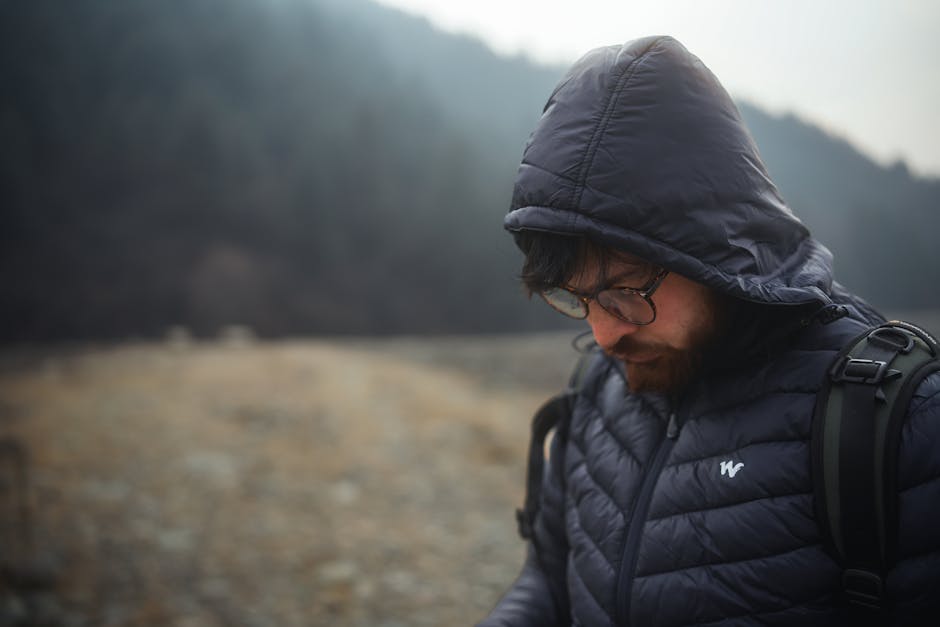
Absolutely. For budget-conscious adventurers and everyday users, Decathlon offers genuinely excellent value in its down jacket range.
Decathlon Down Jacket FAQs: What I Hear Most Often
I get a lot of questions about Decathlon’s down jackets from friends and fellow hikers. Here are the most common ones and my straight answers based on years of use.
Are Decathlon Down Jackets Ethically Sourced?
Yes, Decathlon states that all the duck down and feathers used in their products are 100% sourced from ducks raised for meat production, not for their down. They also claim a commitment to Responsible Down Standard (RDS) principles, ensuring no live-plucking or force-feeding. While direct RDS certification isn’t always explicitly on every tag for older models, their more recent Forclaz and Quechua down jackets typically come with the RDS logo, providing peace of mind. I always recommend checking the specific product page or label for the most current certification details.
Can I Layer a Decathlon Down Jacket Effectively?
Layering is key with any down jacket, and Decathlon’s models are no exception. Their jackets are generally designed with an active fit that allows for effective layering. I often wear a thin merino base layer, followed by a fleece (like Decathlon’s own Forclaz 200 or 300 fleece), and then my down jacket. For harsher conditions, the down jacket becomes my mid-layer under a waterproof, windproof shell. The Trek 500 and MT100 are particularly good as mid-layers due to their relatively slim profiles, while the MT900 can be worn over everything else for maximum static warmth. Just ensure your shell is generously sized to avoid compressing the down, which would reduce its insulation.
What’s the Best Decathlon Down Jacket for -10°C?
For consistent temperatures around -10°C, especially if you’re not constantly moving or if there’s any wind, the Forclaz MT900 is my absolute pick. Its 800 cuin down with a substantial fill weight provides the necessary insulation for those kinds of conditions. While the MT100 could manage -10°C if you’re very active and layering well, the MT900 offers a much greater margin of comfort and warmth, particularly when static. Don’t try to push the Trek 500 or especially the Trek 100 into these temperatures unless you’re prepared to be seriously cold.
Do Decathlon Down Jackets Have a Durable Water Repellent (DWR) Coating?
Most of Decathlon’s down jackets, particularly the Forclaz range and the Quechua Trek 500, come with a DWR coating on the outer fabric. This means they’ll shed light rain or snow for a short period, preventing the down from immediately getting wet. However, a DWR coating is not waterproof. It will eventually wet out in sustained rain or heavy snow. For truly wet conditions, you absolutely need to wear a waterproof shell over your down jacket to protect the down. The DWR just buys you a little time and adds some protection against incidental moisture.
The best down jacket is the one that fits your specific needs and keeps you warm without breaking the bank.
