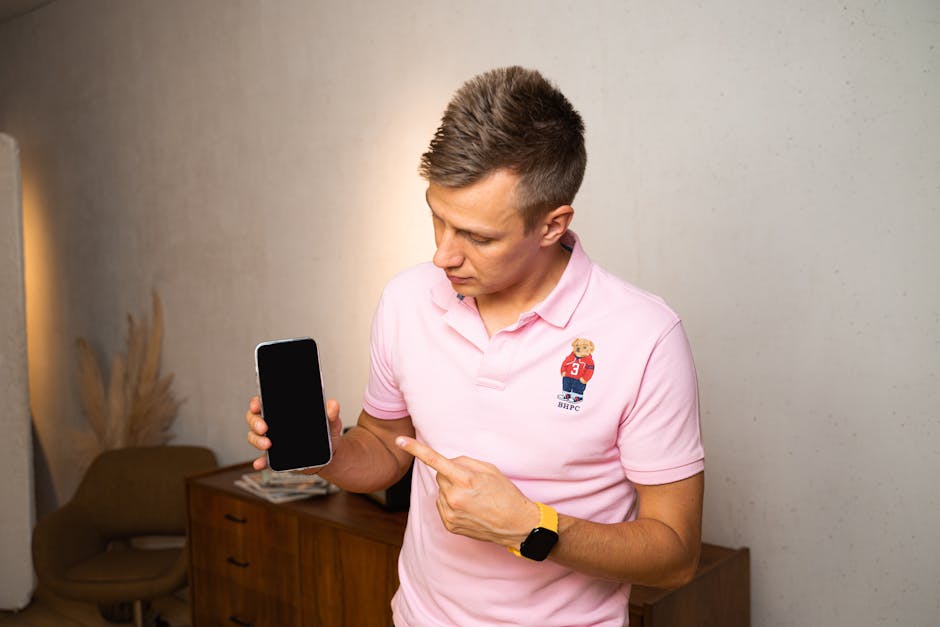
The democratization of the polo shirt within the Pakistani workspace represents a significant departure from the rigid formalwear of previous decades. No longer confined to the golf course or the casual Friday, the polo has become a foundational element for the modern professional navigating the humid urban centers of Karachi, Lahore, and Islamabad. This shift is not merely a matter of comfort; it is a tactical response to a climate where a traditional button-down shirt often fails to provide the necessary thermoregulation. Selecting the ideal polo in the local market requires an analytical approach to textile engineering, specifically looking at how different knits interact with high ambient temperatures and the rigorous cleaning cycles necessitated by urban pollution. This guide examines the landscape of Pakistani menswear, evaluating brands through the lens of durability, fit, and material science.
Which Pakistani brands offer the best value for money polo shirts?
Identifying value in the Pakistani market requires balancing the initial purchase price against the number of wears a garment provides before losing its shape. The mid-range segment is dominated by brands that have mastered the balance of mass production and quality control. In this category, three brands consistently outperform their peers in terms of structural durability and price-to-quality ratio. Value is often found where manufacturing scale meets a commitment to long-staple cotton fibers.
Outfitters: The High-Street Standard
Outfitters remains a dominant force in the casual segment, particularly for the younger demographic. Their polo shirts typically retail between 1,800 PKR and 3,500 PKR. The brand primarily utilizes a pique knit that leans toward a lighter GSM (Grams per Square Meter), usually around 180-200, making them particularly suitable for the intense heat of May and June.
Specs: 100% Pique Cotton, 180-200 GSM, Slim-fit silhouette.
Pros: Modern fit with higher armholes; wide variety of seasonal colors; highly breathable in extreme heat.
Cons: Ribbed cuffs tend to lose elasticity after approximately twelve to fifteen wash cycles; the lighter fabric can be prone to minor pilling if washed with heavier garments like denim.
Export Leftovers (Elo): The Budget Disruptor
For consumers prioritizing pure utility, Export Leftovers (Elo) offers an unconventional but highly effective route. As a platform that deals in overruns and canceled export orders, the quality can vary, but their ‘branded’ basics are often constructed from superior long-staple cotton intended for international markets. Prices usually fluctuate between 900 PKR and 1,800 PKR.
Specs: Varies by batch; often 220 GSM heavy pique or soft-touch jersey blends.
Pros: Exceptional price-to-fabric quality ratio; access to international-grade materials; durable construction.
Cons: Highly inconsistent sizing between different batches; limited availability of specific colors; no standardized fit across the range.
Breakout: Consistent Casual Wear
Breakout occupies a similar space to Outfitters but often experiments more with fabric blends. Their polo shirts frequently incorporate a small percentage of elastane (usually 3-5%), which provides a degree of stretch and helps the garment retain its shape. Retailing around 2,500 PKR to 3,800 PKR, these shirts are robust.
Specs: 95% Cotton, 5% Elastane blend; 210 GSM; reinforced side slits.
Pros: Excellent shape retention; resists the “baggy” look after a full day of wear; vibrant dye saturation.
Cons: The synthetic blend can feel slightly less breathable in high-humidity environments like Karachi; tends to retain odors more than 100% cotton alternatives.
| Brand | Price Range (PKR) | Primary Fabric | Best For | Expected Lifespan |
|---|---|---|---|---|
| Outfitters | 1,800 – 3,500 | Light Pique Cotton | Slim Fit / Summer Heat | 6-8 Months |
| Elo | 900 – 1,800 | Variable Export Cotton | Maximum Utility | 12+ Months |
| Breakout | 2,500 – 3,800 | Stretch Pique | Shape Retention | 10-12 Months |
| Monark | 2,800 – 4,500 | Combed Cotton | Smart-Casual Office | 18+ Months |
What are the essential fabric specifications for high-quality polo shirts?
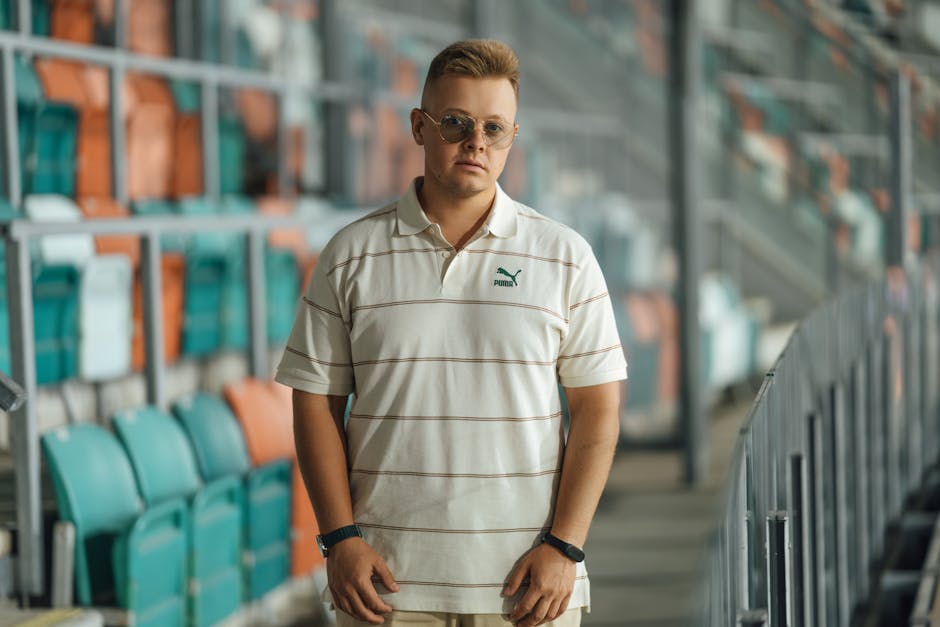
Understanding the technical aspects of fabric is the only way to move beyond brand marketing. In Pakistan, the most common debate centers on Pique versus Jersey knits. Pique is the traditional choice, recognizable by its geometric, textured weave. This structure is not merely aesthetic; the weave creates a larger surface area for moisture evaporation and allows for better airflow through the garment. For the local climate, a pique knit with a GSM of 200 to 220 is the gold standard. Anything lighter tends to become translucent when damp with sweat, while anything heavier feels restrictive in the sun.
The Significance of Pima and Mercerized Cotton
Premium polo shirts in Pakistan, often found in the 4,000+ PKR range, may specify the use of Pima cotton or mercerized finishes. Pima cotton features longer fibers than standard cotton, resulting in a smoother surface and significantly higher resistance to pilling. Mercerization is a chemical treatment that increases the luster of the cotton and its affinity for dye. This is why high-end polos from brands like Uniworth maintain their deep navy or black hues much longer than entry-level options. If the goal is a shirt that looks ‘new’ for more than six months, checking for these specifications is mandatory. Mercerized cotton also resists shrinking, which is a common issue with the high-heat drying cycles often used in local households.
Collar Construction and the ‘Stay-Flat’ Factor
The failure point of most polo shirts is the collar. Lower-end shirts use a single-layer ribbed collar that inevitably curls at the edges—a phenomenon often called ‘bacon collar.’ High-quality construction involves a double-knit collar or the inclusion of ‘collar stays’ (though rare in polos). A professional-grade polo should have a collar made from the same fabric as the body (self-fabric collar) or a heavily reinforced ribbed collar that maintains its ‘roll.’ When inspecting a shirt, the weight of the collar should feel substantial enough to stand upright under a blazer. Additionally, look for a “taped neck seam,” which is a soft piece of fabric sewn over the seam where the collar meets the body; this prevents irritation and adds structural reinforcement to the most stressed part of the garment.
Structural integrity in menswear is often invisible at the time of purchase. It only reveals itself after the fifth wash, when the side seams either remain vertical or begin to twist around the torso due to poor fabric torque management during the cutting process.
Common Mistakes When Buying Polo Shirts in the Local Market
Many Pakistani consumers prioritize brand logos over the fundamental principles of fit and fabric. One of the most common mistakes is selecting a size based on chest width while ignoring the sleeve length and “drop.” A polo sleeve should ideally end at the mid-bicep. If the sleeve reaches the elbow, it creates a visual sagging effect that diminishes the wearer’s silhouette. Conversely, sleeves that are too short or tight can appear overly aggressive in a professional setting.
Another frequent error is neglecting the “tail” length. Traditional polos feature a “tennis tail,” where the back is slightly longer than the front. This is designed to keep the shirt tucked in during movement. However, modern Pakistani brands often produce even-length hems intended to be worn untucked. Wearing a tennis-tail polo untucked can look sloppy, while tucking in a short, even-hemmed polo will result in the shirt constantly popping out of the waistband. Consumers should decide on their primary wearing style—tucked or untucked—before selecting the hem construction.
Which premium Pakistani menswear brands provide the best fit and durability?
When the requirement shifts from casual weekend wear to office-appropriate attire, the focus moves toward brands like Uniworth, Charcoal, and Royal Tag. These brands cater to a demographic that values a more conservative, structured fit and superior fabric finishing. Their products are designed to bridge the gap between a t-shirt and a formal button-down.
Uniworth: The Heritage Choice
Uniworth has established a reputation for consistency over decades. Their ‘Black Label’ polos are among the best in the country, utilizing high-grade cotton with a refined finish.
Specs: 220-240 GSM Pique; Mercerized Cotton; classic three-button placket.
Pros: Exceptional longevity; garments maintain their shape for years; professional aesthetic suitable for banking and corporate sectors.
Cons: Sizing is “Classic Fit,” which can feel overly generous or boxy for slim individuals; higher price point (4,500 – 6,500 PKR).
Charcoal: Modern Professionalism
Charcoal targets the younger professional with a focus on “Slim-Fit” tailoring. Their polo shirts often feature subtle design details—contrast tipping on the collar or unique button plackets—that distinguish them from basic designs.
Specs: 200 GSM; Combed Cotton; reinforced plackets.
Pros: Sophisticated color palette (earth tones, muted pastels); sharp, modern silhouette; excellent collar stability.
Cons: Slim-fit variants can be restrictive across the chest and shoulders for those with athletic builds; requires careful laundering to avoid shrinkage.
Monark: The Smart-Casual Specialist
Monark has emerged as a formidable competitor in the premium segment by focusing specifically on the “smart-casual” niche. Their polos bridge the gap between the youthfulness of Outfitters and the formality of Uniworth.
Specs: 100% Combed Pique; 210 GSM; double-stitched hems.
Pros: Very consistent sizing; high-quality buttons that do not crack; excellent resistance to fading.
Cons: Limited availability in smaller cities; price point is climbing closer to heritage brands without the same long-term track record.
- Uniworth: Best for longevity and traditional office wear.
- Charcoal: Best for modern cuts and unique color options.
- Royal Tag: Best for formal settings and layered looks under blazers.
- Monark: Best overall balance of contemporary fit and fabric durability.
How can modern home appliances extend the lifespan of cotton polo shirts?

The lifespan of a high-quality polo shirt is determined as much by the laundry process as it is by the original construction. The harsh minerals in local water supplies, combined with the aggressive agitation of older top-loading washing machines, can destroy cotton fibers and fade dyes prematurely. To protect an investment in premium menswear, the integration of modern appliance technology is a logical step. This is where the intersection of fashion and home technology becomes critical for the modern consumer.
The Role of Advanced Washing Technology
Modern inverter washing machines, such as those available from leading electronics brands via partnerboost programs, offer specialized ‘Hand Wash’ or ‘Delicate’ cycles. These cycles use a different drum rotation pattern—often mimicking the gentle motion of hand washing—that minimizes the mechanical stress on the pique knit. Furthermore, machines with built-in steam functions, like the latest front-load models from Samsung or Dawlance, can help sanitize the fabric at lower temperatures. This prevents the shrinkage that often occurs with high-heat water cycles. If you are purchasing shirts from brands like Uniworth or Charcoal, using a machine with an “Inverter Motor” is beneficial as it provides more precise control over drum speed, reducing the friction that leads to pilling.
Precision Ironing and Steaming for Collar Integrity
Ironing a polo shirt incorrectly is the fastest way to ruin the collar. Traditional dry irons can leave ‘shine marks’ on dark cotton if the temperature is too high, effectively melting the surface fibers. A high-quality steam iron or a vertical garment steamer is a superior alternative. Steam relaxes the fibers without the need for high-pressure contact, which is essential for maintaining the texture of a pique weave. For those who prefer a crisp look, a steam generator iron provides a professional finish that keeps the placket flat and the collar sharp without damaging the internal lining. Investing in a reliable steam station is a practical move for anyone maintaining a collection of premium cotton garments, as it allows for “contactless” wrinkle removal on delicate mercerized fabrics.
Drying and Storage Best Practices
In Pakistan, the common practice of line-drying clothes in direct sunlight is the primary cause of rapid color fading. UV rays act as a natural bleach, especially on navy, black, and forest green polos. It is advisable to dry shirts in the shade or use a tumble dryer on a low-heat, ‘iron dry’ setting. Modern heat-pump dryers are particularly effective here, as they recycle heat and operate at much lower temperatures than conventional dryers, protecting the elastane fibers in stretch-fit polos from Breakout or Monark. When it comes to storage, polo shirts should be folded rather than hung. Gravity can stretch the shoulder seams of a knitted garment over time, leading to ‘hanger bumps’ that distort the silhouette. A flat fold, with the collar turned up to prevent a permanent crease, will ensure the shirt remains in peak condition for its next use.
By selecting shirts based on technical fabric specifications—such as GSM and fiber length—and utilizing modern home technology for maintenance, the Pakistani consumer can build a wardrobe that is both stylish and enduring. The combination of local craftsmanship in brands like Uniworth and the protective capabilities of advanced home appliances represents the most efficient approach to modern menswear management. Ultimately, the best polo shirt is one that maintains its structural integrity and color saturation long after the initial purchase, providing a consistent professional image regardless of the season.
