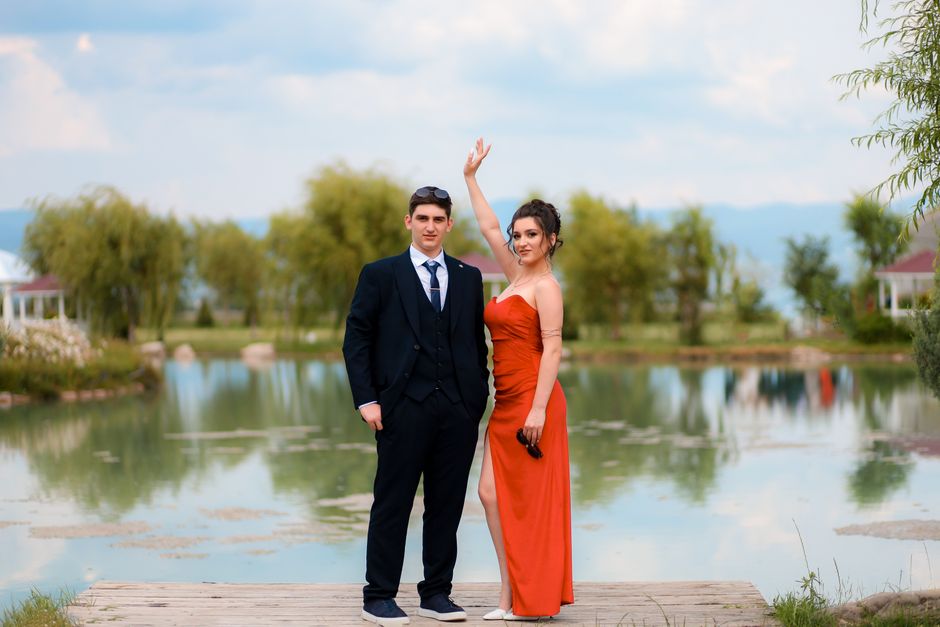
Most plus-size formal dress advice is garbage. It tells you to wear black, cover your arms, and hope nobody notices you. That’s not dressing up. That’s hiding. And it’s wrong. The right formal dress doesn’t shrink you — it frames you. It gives you a waist, a neckline, a shape that makes photographers actually want to find you in the crowd.
Here’s the thing nobody says out loud: most formal dresses are designed on a size 4 dress form and then mathematically scaled up. That’s why the armholes gape, the bust sits too high, and the hem drags. You need cuts that were drafted for curves from the start. Not just bigger. Better. Here are eight that actually work for weddings and galas in 2026.
The Empire Waist Is Not Your Enemy — The Wrong Fabric Is
Empire waist dresses get a bad rap because cheap polyester versions make you look pregnant. The problem isn’t the cut. It’s that most brands use stiff, shiny satin that tents over the stomach instead of draping. A genuine empire waist in a matte jersey or crepe skims the ribcage, defines the bust, and lets the skirt fall clean to the floor. That’s a completely different garment.
Kiyonna’s “Sophia” Empire Gown ($198) does this right. The bodice is lined with power mesh that holds the underbust seam exactly where it should sit — not riding up, not cutting in. The skirt has a 62-inch sweep, which means it moves when you walk instead of wrapping around your legs. For a black-tie gala, you want that movement. It photographs beautifully from every angle, not just straight-on.
What to avoid: any empire dress where the seam under the bust is elastic. Elastic means the dress is relying on stretch to create shape, and stretch fails by hour three. You’ll spend the reception yanking it down. Look for a structured underbust seam with boning or lining. That’s the difference between a dress that fits and a dress that just stretches.
Structured A-Lines: The Only Formal Silhouette That Never Backfires
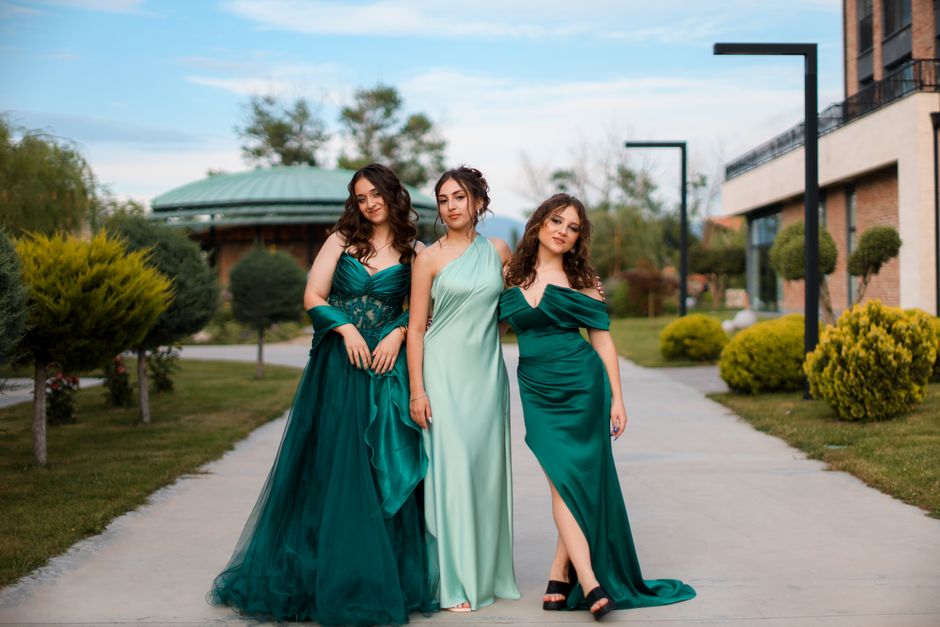
If you buy one formal dress this year, make it a structured A-line. Not a flowy boho A-line. Structured. That means the bodice has real construction — darts, seams, maybe a hidden corset panel — and the skirt flares from the natural waist, not the hips. This silhouette solves the three problems plus-size women always report: waist definition, arm comfort, and sitting-down comfort.
Why structured beats stretchy
Stretch dresses rely on your body to create the shape. Structured dresses create the shape themselves, then let your body fill it. That’s why a structured A-line from Eloquii’s “Bridal & Formal” collection (starting at $148) will out-perform a $400 stretch velvet gown from a department store. The Eloquii version has a boned bodice, a 3-inch waistband, and a full circle skirt that doesn’t cling to your thighs when you sit. The department store version has none of that.
City Chic’s “Everly” A-Line Gown ($169) is another strong option. The fabric is a heavyweight crepe that doesn’t show every seam line from your shapewear. The neckline is a soft V that doesn’t gape when you lean forward. For a wedding where you’ll be dancing, eating, and sitting for hours, this is the kind of dress that doesn’t betray you.
Failure mode: buying an A-line that’s too short. Formal A-lines should hit floor length or ankle length. Tea-length A-lines cut you off at the widest part of the calf and make the whole silhouette look stumpy. If you’re 5’7″ or taller, check the garment measurements before ordering. Many plus-size formal dresses are cut for a 5’5″ frame.
Comparison: The Best Plus-Size Formal Dress Brands in 2026
| Brand | Best For | Price Range | Fit Notes |
|---|---|---|---|
| Kiyonna | Empire waists, soft draping | $148–$228 | True to size, generous bust room |
| Eloquii | Structured bodices, bold colors | $128–$198 | Runs slightly large in waist |
| City Chic | Heavyweight crepe, clean lines | $139–$189 | True to size, narrower in shoulders |
| ASOS Curve | Trend-driven styles, lower prices | $75–$140 | Inconsistent sizing, check reviews |
My pick for most weddings: Eloquii’s structured A-line. It’s the only one that gives you real waist definition without shapewear. My pick for galas: Kiyonna’s Sophia, because the matte jersey photographs better under event lighting.
The V-Neck Wrap Dress: Stop Overthinking This
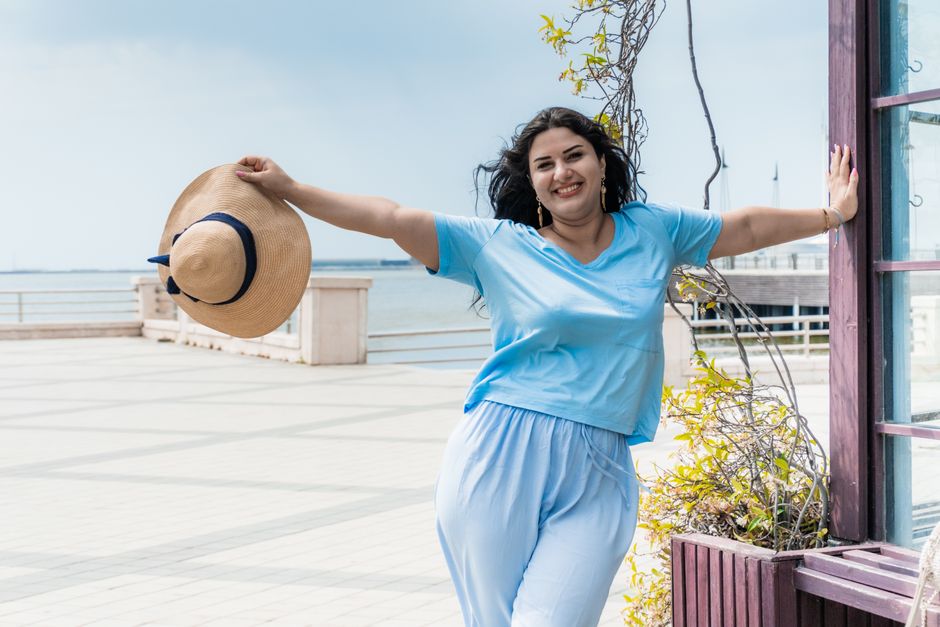
V-neck wrap dresses work. They’ve worked for 50 years. The wrap creates a diagonal line across the torso that interrupts width and draws the eye to the face. The V-neck elongates the neck. The tie waist marks the smallest point of your torso. This isn’t complicated.
The problem is that most wrap dresses are made of thin rayon that clings to every lump. For a formal event, you need a wrap dress in a heavier fabric with a hidden snap at the bust so it doesn’t fly open when you dance. Kiyonna’s “Whitney” Wrap Gown ($178) has that snap. It also has a full-length skirt with a side slit that’s actually functional — you can walk, sit, and cross your legs without the skirt twisting.
When NOT to buy a wrap dress: if the event is outdoors in the wind. A wrap dress is a liability when a gust hits. Go with a structured A-line instead. Also skip the wrap if you’re very busty and don’t want cleavage — the V is deep, and no amount of tape will make it modest.
Off-the-Shoulder Done Right (Yes, It’s Possible)
Off-the-shoulder dresses seem like a trap for plus-size bodies. The horizontal line across the shoulders widens the top half. The sleeves restrict arm movement. You spend the whole night pulling it up. But there’s one version that works: the structured off-the-shoulder with a visible waist seam. Not the smocked tube-top version. The real one.
ASOS Curve’s “Off Shoulder Maxi Dress with Waist Detail” ($92) has a boned bodice that keeps the neckline in place without elastic digging into your arms. The waist seam sits at the natural waist, not the empire line, which prevents the “boob tent” effect. The skirt is a soft A-line that doesn’t cling. For a summer wedding, this is a legitimate option — not a compromise.
The tradeoff: you can’t raise your arms above shoulder height comfortably. If the wedding involves a lot of dancing with hands in the air, this dress will annoy you. If it’s a sit-down dinner and a few slow dances, it’s fine.
Sequins and Beading: The One Rule That Saves You
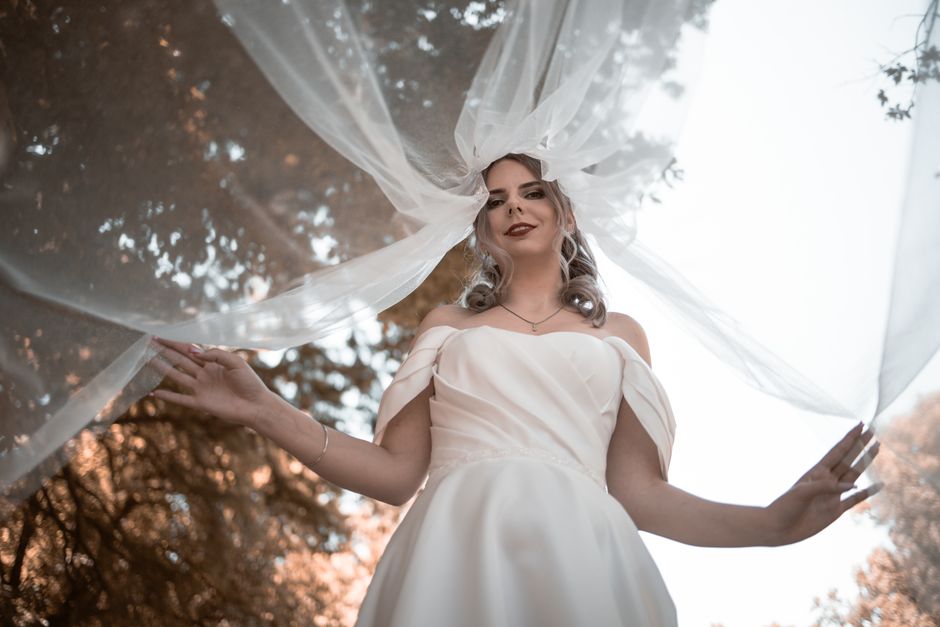
Sequins on plus-size formal dresses fail for one reason: the sequins are glued, not sewn. Glued sequins pop off when the fabric stretches over curves. By the end of the night, you’ve left a trail of glitter and the dress looks patchy. Sewn sequins — where each sequin is stitched individually or in rows — flex with the fabric and survive movement.
City Chic’s “Aurora” Sequin Gown ($189) uses sewn sequins on a mesh base with a stretch lining. The sequins are concentrated on the bodice and fade out through the skirt, which keeps the dress from looking like a disco ball. The lining has 4-way stretch so the sequins don’t pop when you sit. For a gala, this is the dress that gets you photographed.
What to avoid: any sequin dress under $100. At that price, the sequins are glued. It will fail. Save the money and buy a plain crepe dress that you’ll actually wear again.
Shapewear Is Not a Requirement — But If You Want It, Buy the Right Kind
Here’s the honest truth: you don’t need shapewear under a structured dress. The dress already has the shape. Adding shapewear on top of a boned bodice just creates bulk and makes it harder to breathe. The only time shapewear helps is under unstructured stretch dresses — the ones that rely on your body for shape. In that case, you want high-waisted briefs with a cotton gusset, not a full bodysuit. Full bodysuits roll down, dig into your thighs, and make bathroom trips a nightmare.
For structured dresses, skip the shapewear. Wear a well-fitted underwire bra and seamless underwear. That’s it. If the dress has a low back, use fashion tape, not a strapless bra. Strapless bras slide down on larger busts no matter how well they fit. Tape holds.
The failure mode here is over-engineering. You buy a structured dress, then add shapewear, then add a slip, then add a shrug. By the time you’re done, you’ve got four layers fighting each other and you can’t move. Keep it simple. The dress does the work.
Quick Answers to the Questions You Actually Have
Can I wear a plus-size formal dress to a daytime wedding?
Yes, but change the fabric. Daytime weddings call for chiffon, crepe, or matte jersey — not satin or sequins. Eloquii’s “Daytime Formal” A-Line ($128) in a floral crepe works for a 2 p.m. ceremony and a 6 p.m. reception. Skip the sequins until after dark.
What if I’m between sizes?
Size up. Always. Formal dresses have almost no stretch in the bodice, and a too-small bodice can’t be altered easily. A too-large bodice can be taken in at the side seams for $30–$50. Size up and tailor down.
How do I know if the dress will fit my bust?
Check the garment measurements, not the size chart. Look for the bust measurement in inches. If the dress has a structured bodice, you need at least 1–2 inches of ease (the dress bust should be 1–2 inches larger than your body bust). If it’s a stretch dress, you can go closer to your exact measurement.
There’s no magic dress. There’s just the dress that fits your shoulders, your bust, your waist, and your life. Buy that one. Wear it more than once. Stop apologizing for taking up space at a formal event — that’s the whole point of dressing up.
