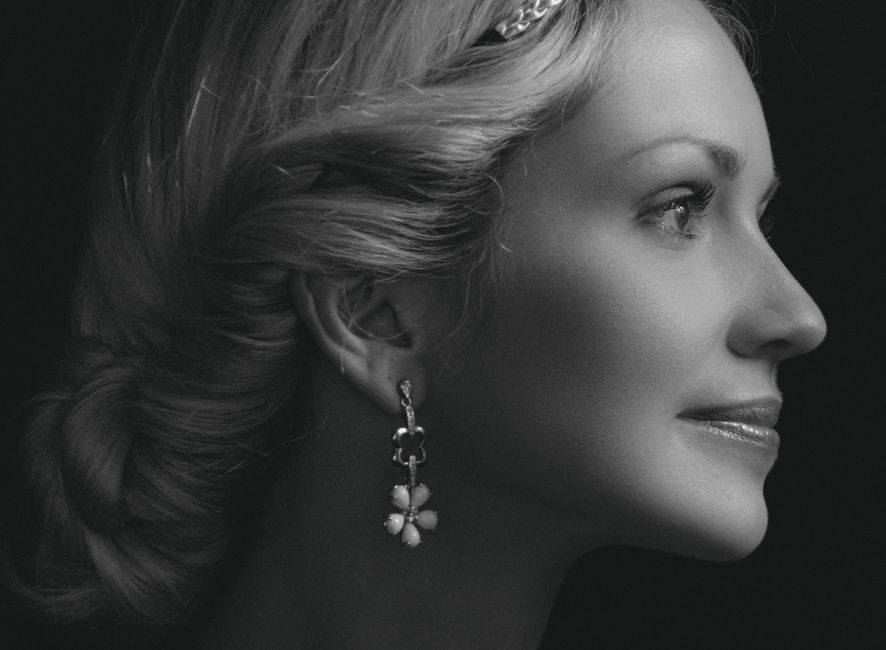
Most women own 20 pairs of earrings and wear 3 of them. The rest are impulse buys that don’t match anything. Fix that. A curated statement earring collection isn’t about quantity. It’s about owning 7 specific cuts that work with everything from a white tee to a black-tie dress.
Here’s the exact framework. No filler.
The 7 Cuts Worth Owning
Forget trends. These silhouettes have survived decades because they solve a specific styling problem. Each one earns its place.
| Cut | Best For | Length | Wear With | Skip If |
|---|---|---|---|---|
| Oversized Hoop | Casual, streetwear | 50-70mm | White tee, leather jacket, slicked bun | You have very short neck |
| Linear Drop | Office, formal | 2-4 inches | Blazers, sheath dresses, V-necks | You prefer edgy over polished |
| Sculptural Stud | Everyday, travel | Under 1 inch | Anything with a collar, second ear piercing | You want maximum visibility |
| Chandelier | Evening, events | 3-5 inches | Strapless, updos, gowns | You rarely attend formal events |
| Geometric Statement | Creative, fashion-forward | 1-3 inches | Minimal outfits, monochrome looks | Your style is strictly classic |
| Pearl or Stone Accent | Bridal, romantic | 1-2 inches | Soft fabrics, pastels, date nights | You want all-metal looks |
| Asymmetric Single | Edgy, editorial | Varies | One ear only, asymmetrical hair | You need symmetrical balance |
Start with the oversized hoop and the sculptural stud. Those two cover 70% of daily outfits. Add the linear drop for work. Then build from there.
The Metal Rule Nobody Tells You

Pick one metal and stick with it for 80% of your collection. Gold or silver. Not both. Mixing metals looks accidental unless you’re deliberately doing a two-tone piece. And most people aren’t deliberate about it.
Why this matters: your earrings need to work with your other jewelry. If you wear a gold necklace daily, silver earrings will clash. You’ll reach for the gold pair every time. The silver ones become drawer filler.
How to pick your metal
- Check your skin undertone. Warm undertones (green veins) look better in gold. Cool undertones (blue veins) look better in silver. Neutral undertones can wear both, but you’ll still have a preference.
- Audit your current jewelry. Count how many gold pieces versus silver pieces you actually wear weekly. Whatever wins, that’s your metal.
- Consider your wardrobe colors. Earth tones and warm neutrals (beige, olive, rust) pair naturally with gold. Cool tones (navy, black, white, gray) pair with silver. Gold is more forgiving on most skin tones.
My pick: if you’re starting from zero, go gold. Gold-plated pieces from brands like Mejuri and Gorjana hold up well and cost under $100. Silver reads more casual and can look cheap if the plating is thin.
Weight and Comfort: The Real Dealbreaker
Here’s the failure mode nobody discusses. You buy a stunning pair of chandelier earrings. They weigh 30 grams each. You wear them once. Your earlobes ache for two days. They go in the drawer forever.
Weight is the single most important factor in whether you’ll actually wear statement earrings. Not style. Not price. Weight.
Look for pieces under 15 grams per earring for daily wear. Under 25 grams for occasional evening wear. Anything heavier needs a support backing or a lobe patch. Brands like Kendra Scott list weight in product specs. If a brand doesn’t list weight, assume it’s heavy.
Also check the post type. Surgical steel or titanium posts prevent irritation. Nickel-free is non-negotiable if you have sensitive ears. Cheap fashion earrings from fast-fashion retailers often skip this. That’s why your ears itch after wearing them for three hours.
Styling Rules That Actually Work

One pair of statement earrings can change how an entire outfit reads. But only if you follow these rules.
- Neckline is everything. High necklines (turtlenecks, crew necks) need longer earrings to create balance. Low necklines (V-necks, strapless) need shorter or medium earrings so they don’t compete with exposed skin.
- Hair up or hair down changes the game. Earrings disappear under long hair. If you’re wearing a statement pair, pull your hair back or tuck one side behind your ear. Otherwise, why bother wearing them?
- One statement piece per outfit. Big earrings plus a big necklace plus a stack of bracelets = visual chaos. Pick one. If the earrings are loud, keep everything else minimal.
- Match the earring shape to your face shape. Round faces benefit from angular or linear drops. Long faces benefit from wider shapes like hoops or chandeliers. Square faces benefit from curved or circular shapes. This isn’t a hard rule, but it explains why some earrings look great on your friend and weird on you.
Quick tip: the oversized hoop is the most versatile cut in existence. It works with athleisure, denim, dresses, and even some office looks if the hoop is thin and polished. If you buy one thing from this list, buy a 60mm gold hoop.
When NOT to Buy More Earrings
Stop buying earrings if you already own three pairs that fit the same category. Three linear drops in slightly different lengths is redundant. You don’t need variety within a cut. You need variety across cuts.
Also skip statement earrings entirely if you wear headphones most of the day. Over-ear headphones press against earrings and cause pain. If you’re a commuter who wears Sony WH-1000XM5 or Bose QuietComfort headphones daily, stick to small studs. Large earrings and headphones don’t coexist.
And if you have a job that requires a uniform or strict dress code, check the rules before investing. Some workplaces ban dangling earrings for safety reasons. Healthcare, food service, and manufacturing often have restrictions.
Where to Buy Without Getting Ripped Off

Statement earrings range from $10 to $500+. The sweet spot for quality without overpaying is $30 to $80 per pair. Here’s what you get at each price point.
Under $20: Fast fashion. Thin plating, lightweight but flimsy, tarnishes within months. Fine for trend pieces you’ll wear a few times. Don’t build a collection here.
$30-$80: The value zone. Brands like Mejuri, Gorjana, Madewell, and Quince offer solid construction, decent plating, and designs that last 2-3 years with care. Most of your collection should come from this range.
$100-$300: Semi-fine jewelry. Thicker gold vermeil or gold-filled pieces. Brands like Missoma, Monica Vinader, and Ana Luisa. These are investment pieces for cuts you wear weekly.
$300+: Fine jewelry. Solid gold, real gemstones. Only worth it if you wear the earrings at least 3 times per week. Otherwise, the cost per wear doesn’t justify the price.
My verdict: build your core collection from the $30-$80 range. Upgrade your most-worn cut to semi-fine after 6 months of consistent wear. That’s how you avoid the drawer full of unworn earrings.
You started with 20 pairs and wore 3. Now you know the 7 cuts that matter, the metal rule, the weight limit, and where to buy. Build from there. Seven pairs, all worn, all working. That’s a curated collection.
