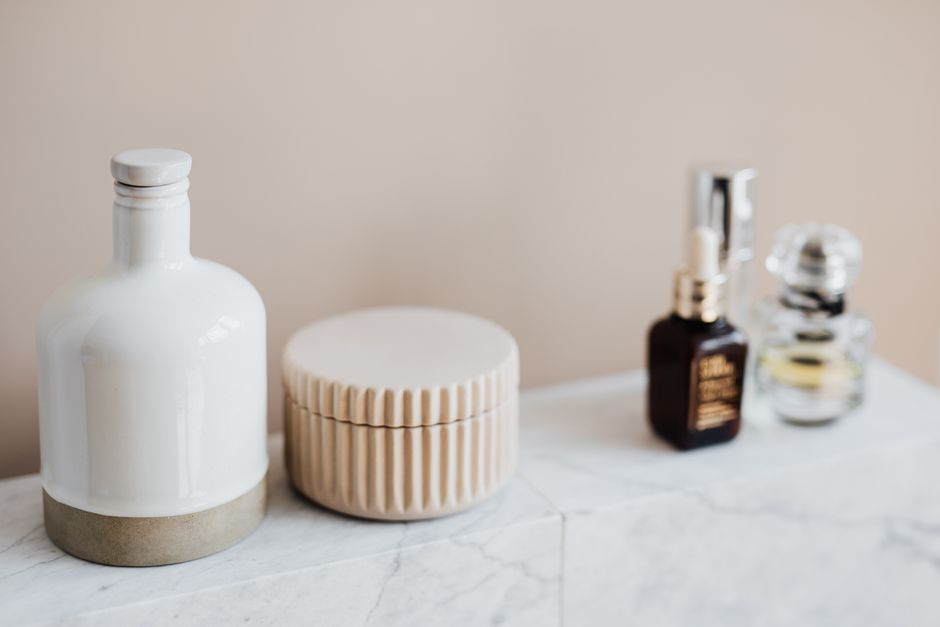
A skincare routine is easy to imagine when you have a quiet evening and a tidy bathroom. Keeping it going when you are tired, running late, or staying somewhere unfamiliar takes a different kind of planning. Building a simple skincare routine you will actually keep starts with choosing a few useful steps and giving them a reliable place in your day. The aim is comfortable, manageable care that fits your life, without turning every morning into a project.
Decide what your routine needs to do
Before buying anything, think about what makes skincare difficult for you now. Perhaps you dislike sticky textures, forget to wash before bed, or own so many bottles that choosing feels exhausting. These details matter because even a carefully chosen product is little use if you avoid applying it.
Give your basic routine three jobs: gentle cleansing, moisturizing, and daytime sun protection. Keep those jobs separate from optional goals such as experimenting with masks or trying a new serum. You can enjoy beauty products without making every purchase a permanent daily obligation.
If you already follow a routine prescribed by a dermatologist or doctor, use their instructions as your starting point. Simplifying your bathroom shelf should not mean changing prescribed care on your own.
Build a small, usable product lineup
A cleanser that feels comfortable
Choose a gentle facial cleanser that you find easy to rinse away. Pay attention to how your skin feels afterward: persistent tightness, stinging, or an urge to immediately scrub away residue are reasons to reconsider the formula. A dramatic lather or squeaky finish is not a requirement.
Use lukewarm water and your fingertips, then rinse and pat dry with a soft towel. Keep brushes, rough cloths, and scrubs out of the starting routine. A straightforward washing step is easier to repeat when it does not require extra tools or cleanup.
A moisturizer you like wearing
Texture is a practical choice. If you dislike a heavy finish, a lighter lotion may be easier to use consistently. If your skin feels dry and uncomfortable, you may prefer a cream. You can also use a little more on dry areas instead of covering every part of your face with the same thick layer.
Fragrance-free options are a sensible starting point if fragrance bothers your skin. Avoid assuming that words such as natural or luxurious tell you how a formula will feel. Choose for comfort and tolerability, and follow the directions on the package.
Daytime sun protection that fits the lineup
Include a broad-spectrum sunscreen with SPF 30 or higher, choosing a water-resistant option for outdoor activity. Follow its instructions for application and reapplication, including after swimming or sweating. Hats, clothing, and shade belong alongside sunscreen when you are outside.
Check whether the texture works with your moisturizer and any makeup you wear. If the combination feels unpleasant, simplify the layers or reassess a texture before adding another product. Keep sun protection as a clear morning step, with further applications planned around your day.
Give morning and evening a clear order
Write your routine in ordinary language. You should be able to glance at it without decoding ingredient names or remembering a complicated rotation. For a basic routine, the sequence can look like this:
- Morning: cleanse gently, apply moisturizer as needed, then apply sunscreen according to its label.
- Evening: remove makeup if you wear it, cleanse gently, and apply moisturizer.
If your cleanser removes your makeup comfortably, you may not need a separate remover. For stubborn makeup, use a suitable remover according to its directions instead of repeatedly rubbing your face. Let the products you actually wear determine whether that extra step earns its place.
Keep any prescribed products in the order your clinician recommends. There is no need to invent a universal waiting period between every layer; follow the relevant product directions and give each layer enough time to settle comfortably.
Attach skincare to something you already do
A routine needs a dependable cue. Choose an existing bathroom habit, such as brushing your teeth, and place skincare directly before or after it. A familiar sequence gives you less to remember than a separate promise to take better care of your skin.
For evenings, pick a time before you become too tired. Washing your face when you change into comfortable clothes may work better than leaving everything until you are about to fall asleep. Choose the point in your evening that usually happens, even when other plans change.
Arrange your products in order of use in one accessible spot, following their storage instructions. Keep a clean towel within reach. Store occasional extras elsewhere so your daily choices remain obvious. The setup should help you start without searching through drawers.
Plan for the days when enthusiasm disappears
Decide in advance what a rushed day looks like. Keep the core steps and leave optional extras for another time. You do not need a mask, facial massage, or elaborate layering session to make the routine count.
A missed evening does not create a skincare debt. Resume your usual routine at the next opportunity instead of washing harder, using extra products, or exfoliating to compensate. Make restarting an ordinary action rather than a fresh commitment that requires perfect motivation.
For travel or overnight stays, make a short packing list using the same core lineup. Keep products in their original containers where practical, especially sunscreen, so their directions remain available. A familiar routine is easier to maintain than an entirely different collection reserved for trips.
Change one thing only when there is a reason
Once the basic routine feels manageable, you may decide that it is enough. Toner, eye cream, exfoliant, and serum are not automatic requirements. Before adding anything, name the specific reason you want it and consider whether you will realistically use it.
Introduce new products individually and follow their testing and use instructions. Avoid starting several unfamiliar formulas together, since that makes it harder to identify what disagrees with your skin. Stop using a new product if it causes irritation rather than assuming discomfort means it is working.
Seek advice from a dermatologist or doctor for persistent irritation, ongoing breakouts, recurring rashes, or other skin changes that concern you. More products are not always the right next step, and a simple routine cannot answer every skin concern.
Review the routine by how it works in real life
When you check in with your routine, ask practical questions: Are the products comfortable? Can you remember the order? Is anything regularly skipped because you dislike using it? Those answers offer a clearer next step than comparing your shelf with someone else’s.
If a step keeps getting missed, adjust its timing or placement before expanding the routine. Replace finished products thoughtfully instead of treating every empty bottle as a reason to redesign everything. Keep the useful habits, make small adjustments when needed, and let skincare occupy a manageable corner of your day.
