
The arrival of high summer often triggers a certain wardrobe-related anxiety in the modern man. While trousers offer a safe harbor of structure and tradition, shorts require a more nuanced understanding of geometry and social signaling. A 2023 retail analysis revealed that the average American male now spends nearly 30% more on high-performance casual wear than he did five years ago, yet the search for a pair of shorts that balances proportion, utility, and aesthetic remains a primary frustration in personal styling. It is a garment often treated as an afterthought—a secondary piece of fabric meant for the beach or the gym—but the modern shift toward versatile dressing has forced a re-evaluation. Shorts are no longer just about staying cool; they are about maintaining a silhouette that doesn’t collapse into sloppiness the moment the temperature rises above seventy degrees.
The Architecture of the Modern Inseam
The conversation around men’s shorts often begins and ends with the inseam. For decades, the industry standard hovered around nine to eleven inches, effectively covering the knee and creating a heavy, blocky appearance that shortened the legs of the wearer. However, a significant cultural shift has moved the needle toward shorter lengths. The five-inch inseam has become a symbol of a more confident, athletically-inspired aesthetic, though it is not a universal solution. Understanding the relationship between your height, your thigh circumference, and the hemline is essential for avoiding a look that feels either dated or unintentionally revealing.
The Five-Inch Inseam: A Study in Proportions
A five-inch inseam typically hits at the mid-to-upper thigh. This length is particularly effective for men of average or shorter stature, as it exposes more of the leg, creating an illusion of height. From a technical standpoint, shorter shorts offer superior range of motion. When you are walking or climbing stairs, there is less fabric to catch on the knee. This cut has seen a massive resurgence thanks to the “quad-summer” movement, where fitness-conscious men prefer to showcase leg development. However, the trade-off is modesty and formality. A five-inch short is inherently casual. It works exceptionally well in nylon or performance blends for a day at the lake or a casual brunch, but it can feel out of place in a more structured, smart-casual environment like an outdoor wedding or a high-end dinner. If you opt for this length, ensure the leg opening is not too wide, as excess fabric can make the legs look spindly.
The Seven-Inch Inseam: The Universal Standard
If you are looking for a single length that functions across 90% of summer scenarios, the seven-inch inseam is the empirical winner. It strikes a balance by hitting just above the knee for most men. It provides enough coverage to feel appropriate in a professional-adjacent setting while still feeling modern. When analyzed through the lens of garment architecture, the seven-inch cut allows for a more significant taper. This prevents the “bell-bottom” effect that often plagues wider-leg shorts, ensuring the fabric follows the natural line of the leg without clinging too tightly to the quadriceps. For men taller than six feet, the seven-inch inseam is often the “sweet spot” that prevents the shorts from looking like hot pants while still maintaining a contemporary, tailored edge.
Material Innovation: The Rise of Hybrid Textiles
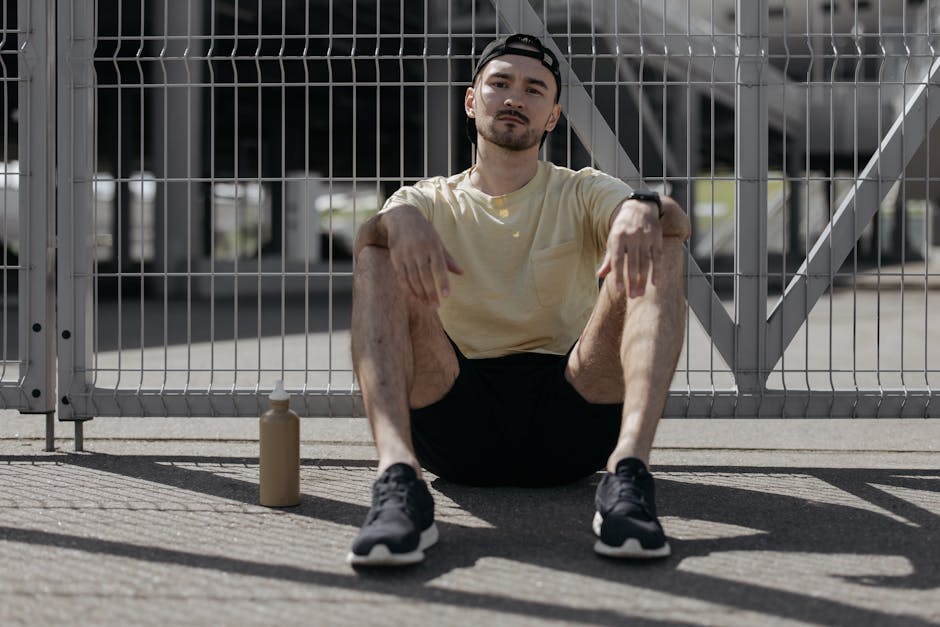
The fabric you choose determines not just how the short looks, but how it performs under thermal stress. Traditional heavy cotton twill, while durable, is notorious for retaining moisture and heat. In the humid corridors of a city summer, cotton can become heavy and lose its shape. This has led to the rise of technical blends that incorporate spandex for stretch, nylon for durability, and recycled polyesters for moisture management. The goal is a textile that looks like a natural fiber but behaves like a piece of athletic equipment.
Technical Synthetics and DWR Coatings
Modern performance shorts often utilize a blend of polyester and elastane. These fabrics are frequently treated with a Durable Water Repellent (DWR) finish. While originally designed for mountain gear, DWR is increasingly common in lifestyle shorts. It allows the fabric to resist light rain and, perhaps more importantly, prevents spilled drinks or sweat from soaking into the fibers. The nuance here lies in the “hand feel.” Cheaper synthetics often have a distinctively plastic-like rustle when you walk. Higher-end versions, such as those used by Direct-to-Consumer (DTC) brands like Public Rec or Lululemon, undergo a brushing process that gives the synthetic fibers a matte, cotton-like texture. These materials are engineered to maintain their shape, meaning they won’t “bag out” at the seat even after hours of sitting at a baseball game or a summer concert.
The Linen Paradox and Seersucker Sophistication
For those who prefer natural fibers, linen remains the gold standard for breathability. Linen is highly conductive, meaning it allows heat to escape the body more efficiently than almost any other material. The downside is the wrinkling. A pair of 100% linen shorts will look lived-in within twenty minutes of sitting down. To mitigate this, many designers now use linen-cotton blends. This hybrid approach retains the cooling properties of linen while the cotton provides enough structural integrity to keep the shorts from looking like a crumpled paper bag. Seersucker offers a similar benefit through its unique weave; the puckered texture creates space between the fabric and the skin, promoting airflow. Modern seersucker has moved beyond the traditional blue-and-white stripe, now appearing in solid navy, olive, and charcoal for a more understated look.
Investing in high-quality fabrics requires a shift in maintenance. To keep these technical and natural fibers in peak condition, a high-quality garment steamer is often a better investment than a traditional iron, as it relaxes fibers without the risk of scorching synthetic blends. Many modern smart home appliances now feature specific settings for “activewear” or “delicates” that are perfect for these high-tech shorts.
The Anatomy of a Perfect Pocket
Utility in shorts is often a double-edged sword. While the cargo shorts of the early 2000s offered endless storage, they destroyed the wearer’s silhouette with bulky, sagging side pockets. The modern approach to utility is “stealth storage.” Designers are now integrating zippered security pockets into the side seams or placing them horizontally across the back yoke. This allows the wearer to carry a smartphone, a slim wallet, and keys without the items bouncing against the leg or creating an unsightly bulge. When evaluating a pair of shorts, check the pocket lining; high-quality brands use mesh or lightweight ripstop nylon for the pockets to reduce bulk and increase ventilation. A well-designed pocket should disappear when empty but expand slightly to accommodate tech essentials without compromising the drape of the fabric.
Top-Tier Shorts for 2024: A Comparative Analysis
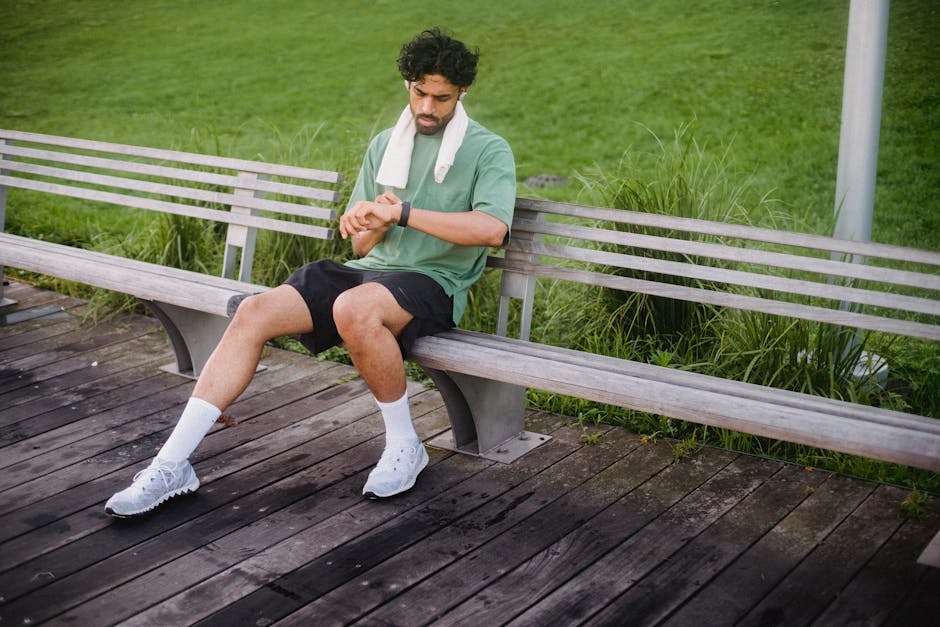
Choosing the right pair requires weighing specific trade-offs between price, durability, and style. Below is an evaluation of the most prominent contenders in the current market, based on construction quality and user feedback over extended wear periods.
| Brand & Model | Price (Approx.) | Material Specs | Primary Benefit | Primary Drawback |
|---|---|---|---|---|
| Patagonia Baggies (5″) | $65 | 100% Recycled Nylon, DWR finish | Extreme durability; can be used for swimming. | Internal mesh liner can be uncomfortable for all-day wear. |
| Public Rec All Day Every Day | $72 | 88% Nylon, 12% Spandex | Unrivaled comfort; looks like a chino, feels like a sweatpant. | Pilling can occur in the inner thigh area after heavy use. |
| Todd Snyder 7″ Weekend Short | $118 | 98% Cotton, 2% Elastane | Premium tailoring and a wide array of sophisticated colors. | High price point for a basic cotton-stretch garment. |
| Lululemon Commission | $88 | 100% Elastomultiester (Warpstreme) | Excellent shape retention; professional appearance. | Synthetic feel may not appeal to traditionalists. |
| Mack Weldon Radius Short | $78 | 91% Polyester, 9% Spandex | Water-resistant and highly functional for travel. | Sizing can be inconsistent; often runs small. |
| Vuori Kore Short | $68 | 46% Recycled Polyester, 44% Polyester, 10% Elastane | Incredible softness and built-in breathable liner. | Styling is strictly athletic; difficult to dress up. |
Deep Dive: The Patagonia Baggies
The Patagonia Baggies are perhaps the most resilient shorts ever manufactured. Constructed from 4.3-oz recycled nylon with a DWR finish and 50+ UPF sun protection, they are designed to be abused. They function as a hybrid between a trail short and a swim trunk. The five-inch version has achieved a cult-like status for its rugged simplicity. However, the researcher must note that these are not “flattering” shorts in the traditional sense. They have a boxy, voluminous cut that does not taper. If you have thinner legs, the leg openings can feel cavernous. They are a tool for utility and outdoor adventure, not a piece for a tailored wardrobe. Their longevity is legendary, often lasting a decade or more with proper care.
Deep Dive: Lululemon Commission Short
Lululemon has successfully transitioned from the yoga studio to the office with the Commission line. The standout feature is the “Warpstreme” fabric, a 100% polyester blend engineered to provide four-way stretch while looking exactly like a high-end cotton twill. These shorts feature a hidden zippered pocket on the side and a gusseted crotch that provides extra room where men need it most. They are the ultimate “commuter” short, designed to be worn on a bike ride to the office and then throughout a professional day without wrinkling. The construction quality is high, with reinforced seams and a secure button closure that feels more substantial than typical athletic wear.
Deep Dive: Public Rec All Day Every Day Shorts
Public Rec has carved out a niche in the DTC space by focusing on the “work from home” professional. Their All Day Every Day short uses a thick blend of nylon and spandex that provides significant structure. Unlike flimsy gym shorts, these have a faux-fly and belt loops, allowing them to be dressed up with a polo or even a casual linen blazer. The comfort is exceptional, but the fabric weight (GSM) is higher than average. In extreme heat (above 95 degrees), they may feel slightly too substantial compared to a lightweight linen or a thin performance mesh. They are best suited for temperate climates or indoor-outdoor transitions where comfort is the priority.
Common Sizing Pitfalls and Buying Advice
One of the most common mistakes in purchasing shorts is ignoring the “rise”—the distance from the crotch to the waistband. A low-rise short can be uncomfortable when sitting, while a high-rise short can look dated if not styled correctly. When buying from DTC brands, always check the size guide for thigh measurements. If you have “cyclist thighs,” you may need to size up and have the waist taken in to avoid the fabric pulling across the front, which creates unsightly whiskers and restricts movement. Additionally, consider the “flare” of the leg. A quality pair of shorts should taper slightly toward the hem. If the shorts flare outward, they create a triangular silhouette that is generally unflattering for most body types.
Maintaining Your Investment: Technology and Textile Care
Once you have invested $70 to $150 in a pair of high-quality shorts, the way you launder them will determine whether they last two seasons or ten. Modern textiles, particularly those found in premium DTC brands, often feature complex weaves that are sensitive to high heat. Traditional drying cycles are the enemy of spandex and elastane; the intense heat breaks down the elastic fibers, leading to the dreaded “bagging out” at the knees and seat. To maintain the integrity of these garments, air drying is the only logical path.
The Role of Home Appliances in Garment Longevity
For the modern wardrobe, the laundry room is becoming a tech-integrated space. Using a smart washing machine that can calibrate water temperature to the specific needs of synthetic blends is a significant advantage. Many modern appliances now offer “Steam Refresh” cycles, which can remove odors and light wrinkles from your shorts without a full wash cycle, thereby extending the life of the fabric. However, the real secret to maintaining that “GQ look” is post-wash care. For linen and cotton-blend shorts, a handheld garment steamer—available through various home appliance retailers—is essential. Steaming is gentler than ironing because it doesn’t compress the fibers. It allows the natural drape of the fabric to return without creating the unnatural shine that often occurs when an iron is pressed against dark navy or black synthetic fabrics.
Tech Integration for the Active User
For those using performance shorts for running or hiking, the integration of tech-friendly features is a major selling point. Many modern shorts now include dedicated phone pockets positioned on the lateral side of the thigh rather than the front. This placement minimizes the “bounce” of a heavy smartphone during movement. When selecting shorts, look for those with zippered security pockets. These are not just for keys; they are designed to hold slim wallets or wearable tech chargers during travel. Brands like Mack Weldon and Lululemon have perfected this hidden utility, ensuring that your tech stays secure without ruining the lines of the garment. This intersection of fashion and technology is what separates a $20 pair of generic shorts from a $90 investment piece.
Ultimately, the best shorts are those that disappear into your lifestyle. They should be comfortable enough that you don’t think about them, yet structured enough that you don’t feel underdressed when you walk into a restaurant. By focusing on inseam proportion, fabric science, and proper maintenance with modern home appliances, you can move away from the cycle of disposable summer wear and toward a curated, durable wardrobe that stands up to the heat. Whether you choose the rugged utility of Patagonia or the tailored precision of Todd Snyder, the key lies in the details of the construction and the care you provide afterward.
