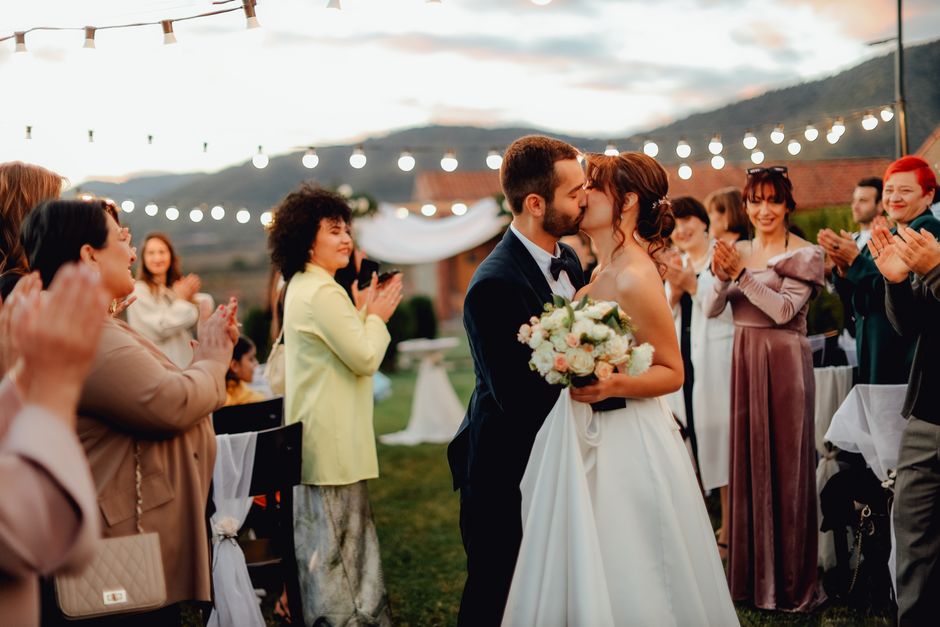
A winter wedding outfit has to work in several places: outside the venue, during a seated ceremony, and on a dance floor that may feel surprisingly warm. When deciding what to wear to a winter wedding as a guest, build the whole outfit together, including your coat and journey shoes. The aim is to arrive comfortable, look appropriate once your layers come off, and enjoy the celebration without constantly adjusting your clothes.
Plan around the journey through the day
Read the invitation and wedding website first, then picture the route from your door to your seat. A hotel celebration with a covered entrance asks less of your outfit than a ceremony followed by a walk to another building. Check whether there will be outdoor photographs, a courtyard drinks reception, or time spent waiting for transport.
Use the stated dress code to set the level of formality, and ask the hosts if the wording is unclear. After that, concentrate on practical details rather than trying to make every piece look overtly wintry. You can wear a familiar occasion outfit successfully if its layers, footwear, and proportions suit the setting.
- For short outdoor transfers: prioritize a proper coat and shoes you can walk in.
- For an outdoor ceremony: plan substantial warmth throughout, including your legs and hands.
- For a heated indoor reception: choose a base outfit that feels complete without a jacket.
Choose a base outfit you can sit and move in
A dress with room for discreet layers
A lined midi dress can be an adaptable starting point when its formality suits the invitation. Look for enough ease through the hips to sit comfortably and a neckline that works with your preferred underwear. Sleeves can be useful, but a tight sleeve may become uncomfortable beneath a coat or restrict your movement during dinner.
A longer hem gives more coverage, although a floor-length dress needs particular care around wet pavements. Try the dress with your actual shoes before deciding on alterations. The hem should allow you to walk without holding up the skirt continuously; if the occasion calls for a gown, arrange transport that minimizes exposure to slush.
Trousers, a suit, or a jumpsuit
Tailored trousers with a dressy blouse, a coordinated suit, or an occasion jumpsuit can make an equally considered outfit where the dress code allows. Choose pieces with enough room for a thin layer underneath if needed. Check that the trouser hem clears the ground in your reception shoes.
With a suit, consider what happens when you take the jacket off. A camisole or blouse that you feel comfortable wearing on its own gives you more flexibility indoors. With a jumpsuit, test the fastening and think through bathroom visits, especially if you will also be managing tights and a coat.
Check the fabric beyond its seasonal appearance
Velvet, crepe, satin, and brocade can all suit a winter celebration, but the fabric name alone does not tell you how warm a garment will feel. Weight, lining, weave, and fit matter too. A thin velvet dress may offer less protection than you expect, while a heavily lined outfit may become uncomfortable once the dancing starts.
Hold the garment up to the light and inspect the lining. Then sit in it for a few minutes and notice whether it pulls, creases heavily, or feels scratchy. If you are considering satin, check whether your underwear shows through and whether the skirt catches against your tights. Solve those problems during the try-on, while you have alternatives available.
Color can come from what you already enjoy wearing: navy, green, plum, soft blue, or a rich neutral, for example. Avoid white, ivory, and bridal-looking combinations unless the couple has explicitly requested them. Cultural expectations and the hosts’ guidance should take priority over general color advice.
Build warmth into removable layers
Start with your least visible layer. A thin camisole, slip, or smooth base layer can help you feel more comfortable without changing the outline of the outfit. Match its shape to the neckline and sleeves, and check it in daylight. An exposed strap or bunched hem is easier to fix at home than in a venue bathroom.
If you are wearing a skirt or dress, try tights with the entire outfit. Opaque tights can work well with substantial fabrics and closed shoes; sheer styles create a lighter appearance but offer limited warmth. Neither option replaces proper outerwear for prolonged time outdoors. Choose a waistband that stays comfortable when seated.
Your removable indoor layer might be a fine cardigan, a tailored jacket, or a generous wrap. Pick one you can manage while carrying a bag and greeting people. If it slips off whenever you move your arms, it may be better suited to seated moments than to the drinks reception.
Make your coat part of the outfit
Try your coat over the complete outfit, with every intended layer underneath. It should close comfortably without flattening sleeves or pulling across the shoulders. A tailored wool coat can suit many indoor weddings, but choose weather protection appropriate to the actual conditions, particularly if snow or rain is likely.
Look at the coat and outfit together from the side as well as the front. A skirt projecting awkwardly beneath a short coat may need a different outer layer. You do not need matching lengths, though: the important checks are that nothing bunches, the proportions feel intentional, and you can move freely.
Bring gloves and a scarf when conditions call for them. Find out whether there is a cloakroom, and make sure you have somewhere to put small accessories. A delicate wrap can finish an evening outfit, but it is unlikely to provide enough protection for a long wait outside.
Separate outdoor footing from reception footwear
Choose shoes for the surfaces you will actually cross. Smooth soles and narrow heels can be awkward on wet paving, gravel, or uneven paths. Even a broad heel does not make a shoe suitable for ice. If conditions are slippery, use appropriate outdoor footwear for the journey and change once you reach a safe indoor space.
Pack reception shoes in a separate bag and confirm where you can leave your outdoor pair. At the venue, let comfort guide the choice between dressy flats, a modest heel, or polished boots when appropriate to the occasion. Test the fit with your chosen hosiery, since tights can change how securely shoes stay on.
Do a full outfit rehearsal
A few days before the wedding, get dressed from underwear to outerwear. Sit down, reach forward, climb a step, and walk with your bag. Check that you can fasten the coat yourself and remove layers without disturbing the outfit underneath.
Keep accessories manageable: earrings that do not catch on your scarf, a bag that holds your essentials, and a fastening you can open easily. Pack spare tights if you are wearing them, plus any small items you already rely on. Once these details are settled, your outfit can do its job quietly while you enjoy the ceremony, dinner, and dancing.
