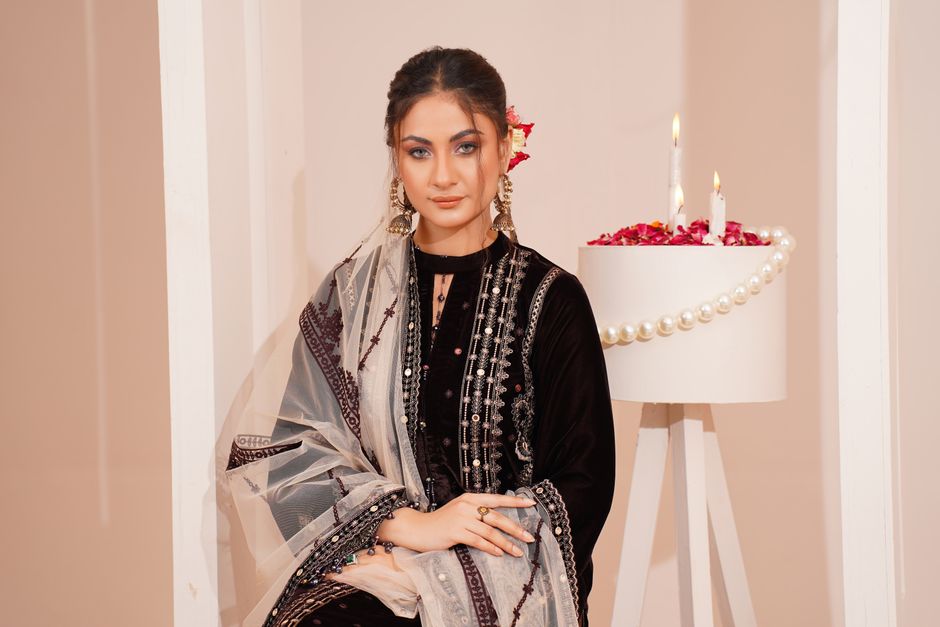
What should you wear when an autumn evening calls for something richer than denim but less formal than a full party dress? Velvet is the answer, provided you control the volume. The fabric already catches light, adds depth, and gives a simple outfit a dressed-up feel, so the rest of the look should stay clean.
The strongest velvet outfits use one clear focal point, a practical layer, and shoes that match the setting. A velvet jacket can work for a concert, a velvet skirt can handle dinner, and a velvet dress can look relaxed when paired with plain accessories. The goal is not to cover yourself in shine. It is to make one soft, textured piece do the work.
Why Velvet Works for Autumn Evening Dressing
Velvet adds warmth without looking bulky
Autumn evenings create a difficult clothing problem. The temperature may feel mild in the afternoon, then drop sharply after sunset. Thin satin looks elegant but offers little warmth. Heavy wool protects you but can feel too serious indoors. Velvet sits between those extremes. Its dense surface gives visual weight and a little insulation while still moving like a dressier fabric.
That balance makes velvet useful for transitional weather. A velvet camisole under a tailored jacket feels suitable for a restaurant. A velvet blazer over a simple knit top works for a gallery, concert, or evening gathering. A velvet skirt with opaque tights handles colder streets without forcing the whole outfit into winter mode.
One textured piece is usually enough
Velvet reflects light in different directions, which creates the fabric’s characteristic depth. That same quality can make an outfit look crowded when several shiny or heavily textured pieces compete. Pair a velvet main piece with matte cotton, fine wool, smooth leather, or simple jersey. The contrast lets the velvet stand out without making the outfit look theatrical.
Color matters too. Deep green, burgundy, navy, aubergine, and warm brown suit autumn because they look rich under low evening light. Black velvet feels sharper and more formal. Soft rose, cream, or dusty blue can work beautifully, but they need grounded styling such as dark tights, plain boots, or a structured coat.
The best silhouette leaves room to move
Velvet can cling, especially in a narrow skirt or fitted dress. Check the garment while walking, sitting, and putting on a coat. If the fabric pulls across the hips, gathers at the waist, or catches on tights, the outfit will feel uncomfortable before the evening is over.
A relaxed jacket, bias-cut skirt, straight-leg trouser, or softly shaped dress usually gives velvet enough movement. The most reliable choice for an autumn evening is a defined silhouette with one easy section: fitted velvet with a looser lower half, or a flowing velvet skirt with a neat top.
How to Choose Velvet Layers for the Temperature
Dress for the coldest part of the evening, not the temperature when you leave home. A velvet outfit should still look intentional after you add a coat, scarf, or tights. Use this simple guide to decide how much fabric and layering you need.
| Evening conditions | Shoe direction |
|---|---|
| 16–20°C, mostly indoors | Loafers, ballet flats, or low heels |
| 12–15°C, cool after sunset | Ankle boots or closed-toe flats |
| 8–11°C, outdoor travel between stops | Insulated boots with a stable sole |
| Below 8°C, mostly outdoors | Weather-ready boots |
For a dinner reservation
Choose a velvet skirt or jacket with a plain top and a coat that does not fight the texture. A midi skirt looks polished with a close-fitting knit and a short boot. A velvet blazer works over a smooth shirt and straight trousers. Keep the bag small and structured so the outfit feels deliberate rather than overloaded.
For a concert or music venue
Prioritize movement and secure footwear. A velvet top with wide-leg trousers gives you room to stand, walk, and sit. A short velvet jacket over a simple dress adds warmth without trapping your arms. Avoid a floor-length hem if the venue involves crowded floors, stairs, or outdoor queues.
For a party or evening celebration
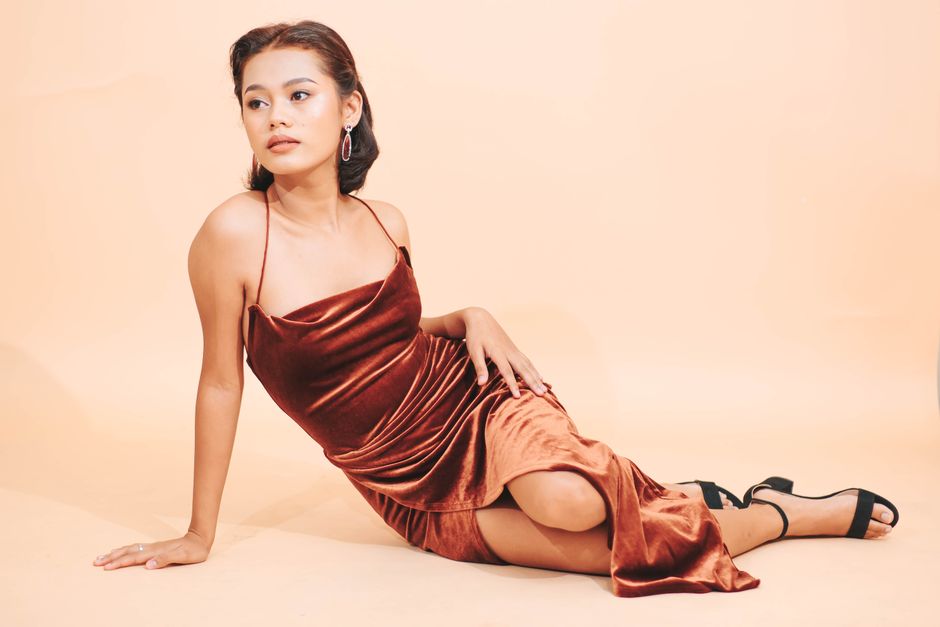
A velvet dress can carry the look on its own, but balance it with quiet accessories. Choose one strong detail, such as a square neckline, a long sleeve, or an open back. Do not add a sparkling shoe, large necklace, dramatic hair accessory, and glossy bag all at once. Velvet already catches attention.
A Five-Step Method for Building a Velvet Outfit
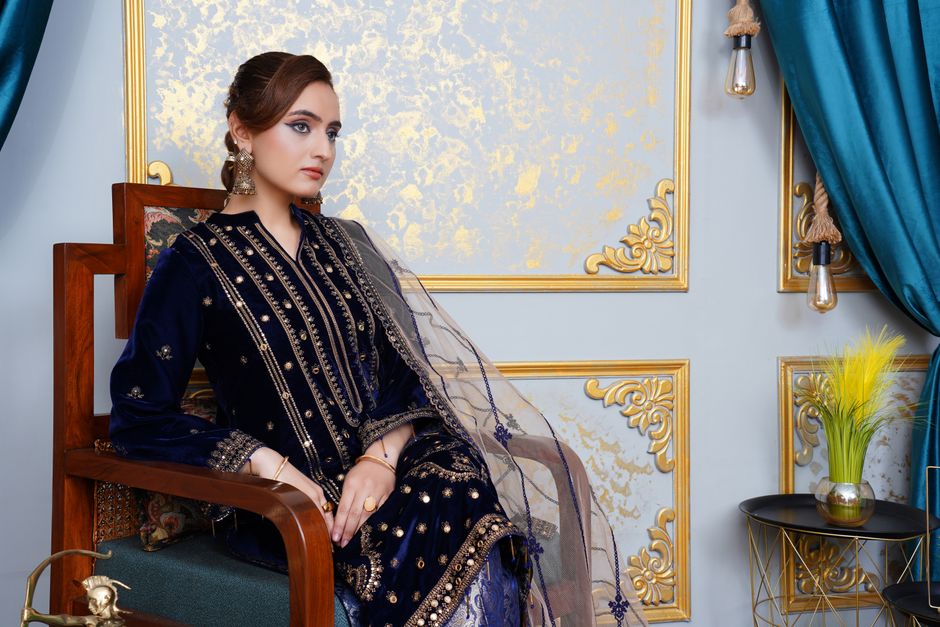
Start with the occasion, then build outward.
- Choose the setting first. A restaurant, concert hall, house party, and outdoor event each need a different level of movement, coverage, and formality. For a seated dinner, a skirt or dress can work well. For standing events, choose trousers, a shorter hem, or a jacket that does not restrict the shoulders.
- Pick one velvet anchor. Decide if the main piece will be a jacket, top, skirt, trousers, or dress. Keep every other major garment simpler. This creates a clear focal point and makes the outfit easier to repeat.
- Set the color temperature. Warm velvet shades such as rust, brown, and wine pair well with cream, tan, camel, and warm gray. Cool shades such as navy, emerald, and blue-black suit white, charcoal, silver-gray, and icy blue. Mixing warm and cool colors can work, but repeat one color in a small accessory so the combination feels connected.
- Check the fabric contrast. Matte knits, brushed wool, cotton poplin, and smooth leather give velvet breathing room. Avoid placing velvet beside several other glossy surfaces unless the event is deliberately formal. The easiest outfit formula is textured velvet plus two quiet fabrics.
- Test the practical details. Sit down, lift your arms, walk quickly, and put on your outer layer. Check for static, bunching, tight sleeves, slippery straps, and hems that drag. These small problems matter more than a perfect mirror photo because they decide how comfortable you feel after two hours.
Use accessories to solve a problem, not to add noise. A scarf handles cold air. A belt can define a loose velvet dress. Opaque tights add warmth and make a shorter skirt feel more suitable for autumn. A simple earring can brighten a dark velvet color without competing with it.
Mistakes That Make Velvet Look Costume-Like
Velvet needs space around it, so restraint is part of the styling.
Mistake one: matching every texture
Velvet with satin, sequins, metallic shoes, and a glossy bag can become too bright under indoor lighting. Pick one reflective surface and keep the rest matte. If the velvet has a strong sheen, choose a brushed coat and simple shoes. If the velvet is crushed or patterned, make the accessories even quieter.
Mistake two: ignoring the coat
Many evening outfits look good indoors but fail the moment a coat covers the neckline and shoulders. Try the complete outfit together. A wide collar can flatten a velvet jacket. A long velvet dress may bunch beneath a short coat. A narrow sleeve may feel impossible under a thick outer layer. The solution is often a cleaner coat with a little extra room through the arms.
Mistake three: choosing a fragile outfit for a busy evening
Do not wear a dragging hem to an event with stairs, wet pavements, or long walks. Do not choose slippery shoes for standing on hard floors. Do not wear a fitted velvet skirt if you will spend the night adjusting it. These are practical failures, not style failures, but they change how the outfit looks because discomfort shows.
Velvet is at its best when the outfit feels easy before anyone notices the fabric.
The single most important takeaway is this: one well-fitted velvet piece, balanced with quiet layers and practical shoes, creates a stronger autumn evening outfit than head-to-toe decoration.
