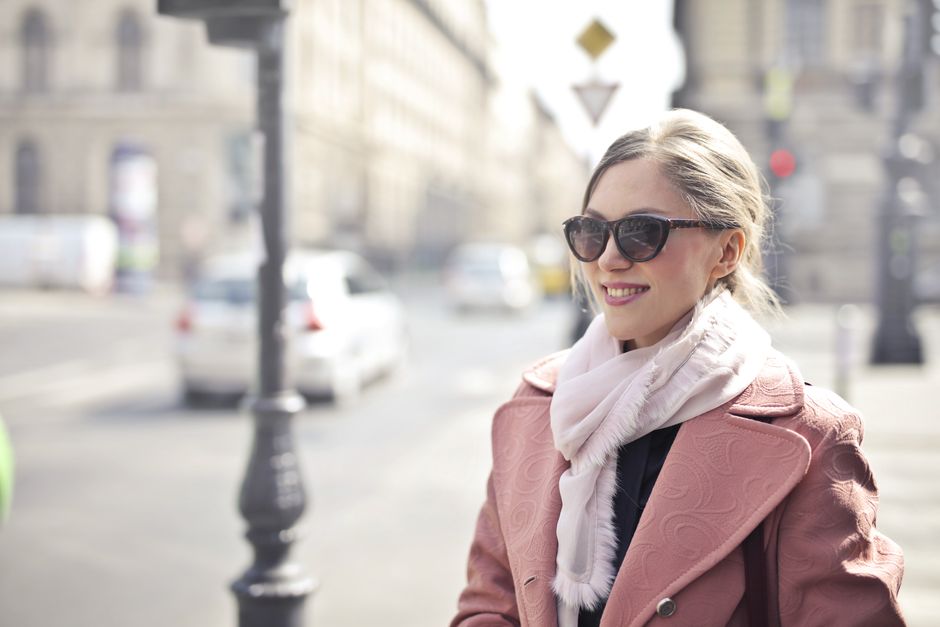
The common mistake is treating a spring jacket like a smaller winter coat. That usually creates bulky outfits, sweaty afternoons and a wardrobe piece that only works with one pair of jeans. Transitional jackets for spring solve a narrower problem: they cover cool mornings, light wind and sudden temperature drops without taking over the outfit.
The best choice is not the thickest style. It is the jacket that matches your daily temperature range, movement, layers and preferred shape. Utility jackets bring structure, bombers add a rounded sporty line, and field jackets give you the most practical coverage.
Which Spring Jacket Style Fits Your Wardrobe?
Start with the job the jacket must do. A jacket for a windy commute needs a different cut from one worn over a dress at an evening concert. The three main styles overlap, but their shapes create very different outfits.
Utility, bomber and field jackets compared
| Style | Best temperature range | Strongest outfit role |
|---|---|---|
| Utility jacket | 12–20°C | Casual layering with denim, trousers or skirts |
| Bomber jacket | 10–18°C | Short, sporty outfits with a clean waistline |
| Field jacket | 8–18°C | Wind protection, travel and uneven weather |
| Overshirt jacket | 15–22°C | Indoor-to-outdoor layering on mild days |
Choose by proportion, not trend
A utility jacket usually ends around the hip and works well with wide-leg trousers because the pockets and collar balance the volume. A bomber ends higher, often at the natural waist or upper hip, so it looks sharp with high-rise jeans, long skirts and straight trousers. A field jacket tends to run longer and flatter, which makes it the safest option over dresses or slim layers.
Choose the bomber when you want the jacket itself to create the shape. Choose the utility style when visible pockets and a slightly workwear feel are part of the look.
How to Wear a Transitional Jacket Without Looking Bulky
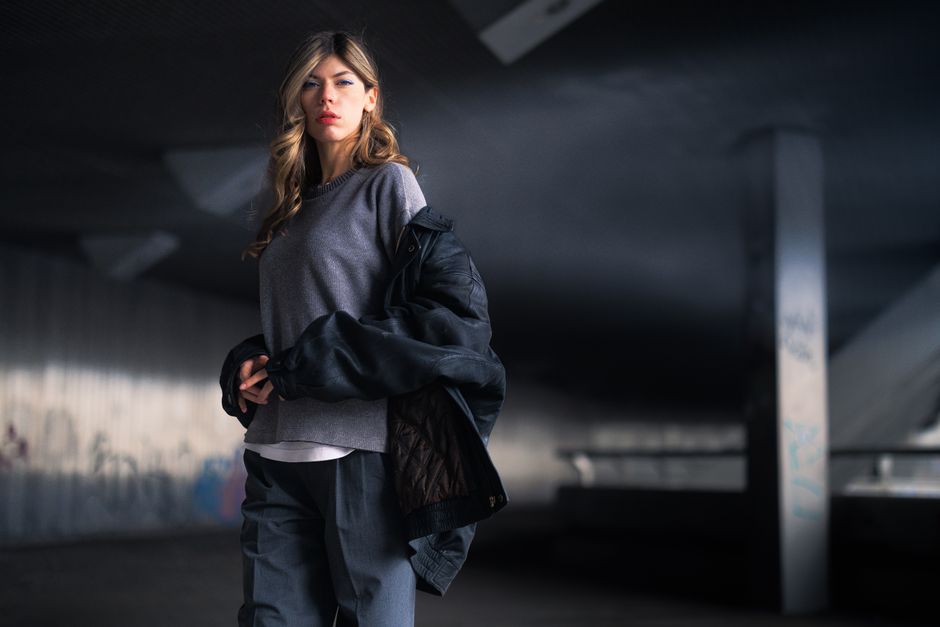
Keep the middle layer thin and the silhouette deliberate. Spring outfits look polished when one piece carries volume and the others stay controlled. A roomy jacket over a chunky sweater and wide trousers often becomes shapeless. A roomy jacket over a fitted knit and straight trousers looks intentional.
The three-layer rule
Use a close-fitting base layer, a light middle layer and a jacket with enough room for movement. A cotton tee, fine-gauge knit or fitted shirt works better than a thick sweatshirt under most spring jackets. Leave about 2–4 centimetres of ease at the shoulder so you can lift your arms without pulling across the back.
For a short bomber, add length underneath with a shirt, striped knit or lightweight dress. For a longer field jacket, keep the layer underneath closer to the body. This simple contrast stops the outfit from becoming one large rectangle.
Balance the jacket with the bottom half
Use one of these reliable formulas:
- Short bomber, high-rise straight jeans and low-profile trainers.
- Utility jacket, wide-leg trousers and a fitted ribbed top.
- Field jacket, midi skirt and ankle boots.
- Overshirt jacket, slim trousers and a simple flat shoe.
The strongest spring outfits also repeat one detail. Match a dark button, belt or shoe to the jacket trim, or repeat a warm neutral in the bag and footwear. That small connection makes relaxed layers look planned without making them formal.
What Makes a Spring Jacket Practical?
A jacket earns space in a wardrobe when it solves several small problems at once: morning chill, light wind, uncertain rain, carrying essentials and changing indoor temperatures. Style matters, but function decides whether the jacket gets worn twice a week or forgotten after one photograph.
Check the fabric before the color
Light cotton twill feels breathable and softens with wear, but it offers limited protection in wet weather. A tightly woven nylon or technical blend blocks more wind and dries faster, though it can look sportier and may hold heat on warm afternoons. Waxed or coated fabric repels light rain but needs more care and can feel stiff at first.
For most spring wardrobes, a midweight fabric around 180–260 grams per square metre gives enough structure without winter weight. Fabric weight does not tell the whole story: lining, weave and fit can make a lighter jacket feel warmer than a heavier one.
Pockets, cuffs and closures matter
Look for pockets that sit high enough to reach while walking and deep enough to hold a phone without forcing the jacket out of shape. A two-way zip helps when sitting or cycling. Adjustable cuffs keep wind from entering the sleeves, while a drawcord at the waist changes the outline when you want more definition.
A collar that folds flat works with scarves and necklaces. A high stand collar gives more wind coverage but can crowd the face when worn with a bulky knit. These details sound minor, yet they decide how often the jacket feels easy to wear.
Five Spring Jacket Mistakes to Avoid
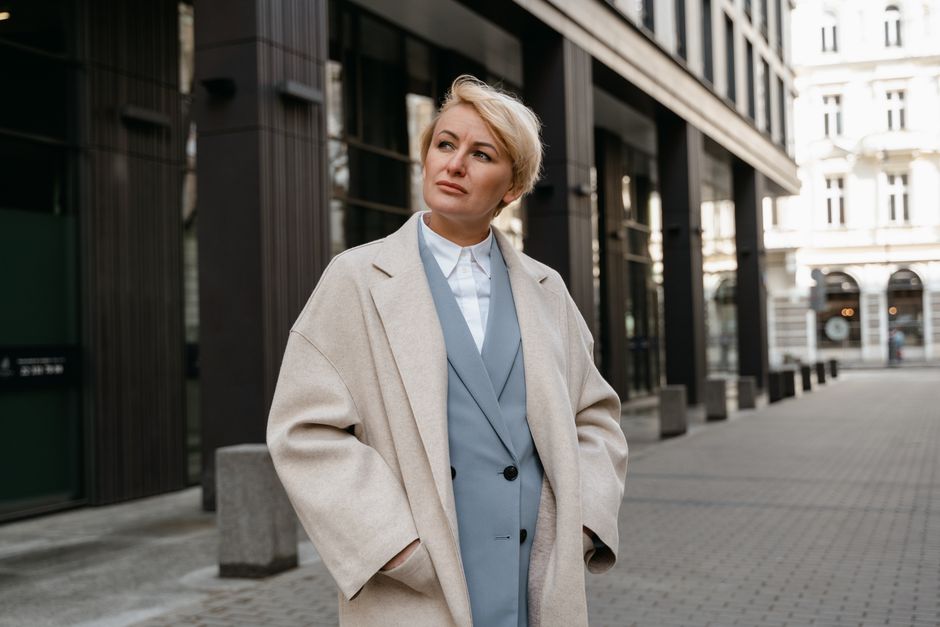
The wrong jacket rarely fails because of one dramatic flaw. More often, several small mismatches make it uncomfortable or hard to style.
2. Ignoring sleeve and hem length
- Sleeves should reach the wrist bone when your arms hang naturally.
- A short bomber should not stop at the widest part of the hip unless that cropped effect is intentional.
- A field jacket should sit below the seat or clearly above it; an awkward mid-hip length often looks accidental.
3. Choosing a dramatic color with no outfit plan
Bright spring colors can be excellent, but they need support from the rest of the wardrobe. If most of your clothes are black, denim and cream, a saturated jacket becomes the main event. That can work. It becomes frustrating when every outfit needs to be rebuilt around it.
4. Treating water resistance as waterproofing
A coated surface may handle a short shower, but taped seams, storm flaps and a waterproof membrane are needed for sustained rain. Use a proper rain shell instead, then add a lighter style jacket for dry days.
When Should You Choose a Bomber, Utility or Field Jacket?
There is no need to own all three. Pick the style that answers the problem you meet most often, then build outfits around its natural shape.
Is a bomber jacket right for a polished spring outfit?
Yes, when the bomber has a clean collar, restrained hardware and a smooth hem. Wear it with a midi dress, tailored trousers or a column skirt to offset its sporty shape. Avoid adding several other athletic details at once. A bomber with track trousers, chunky trainers and a logo sweatshirt can look deliberate, but it leaves little room for a softer or more dressed-up mood.
Is a field jacket better for unpredictable weather?
Yes. Its longer cut, roomy pockets and adjustable details make it the strongest choice for walking, travel and days that move between cool morning and mild afternoon. It also works over more layers than a cropped jacket. Choose a lighter unlined version for spring, and avoid excessive pockets if you want a cleaner city look.
When should you choose a utility jacket instead?
Choose utility when you want structure without the length of a field jacket. It sits comfortably between casual and polished, especially in muted green, stone, navy or washed black.
Spring dressing will keep moving toward lighter layers with stronger shape: fewer heavy coats, more useful overshirts, shorter jackets and fabrics that handle changing weather. The winning piece will not be the loudest one. It will be the jacket that makes five different outfits easier to wear.
