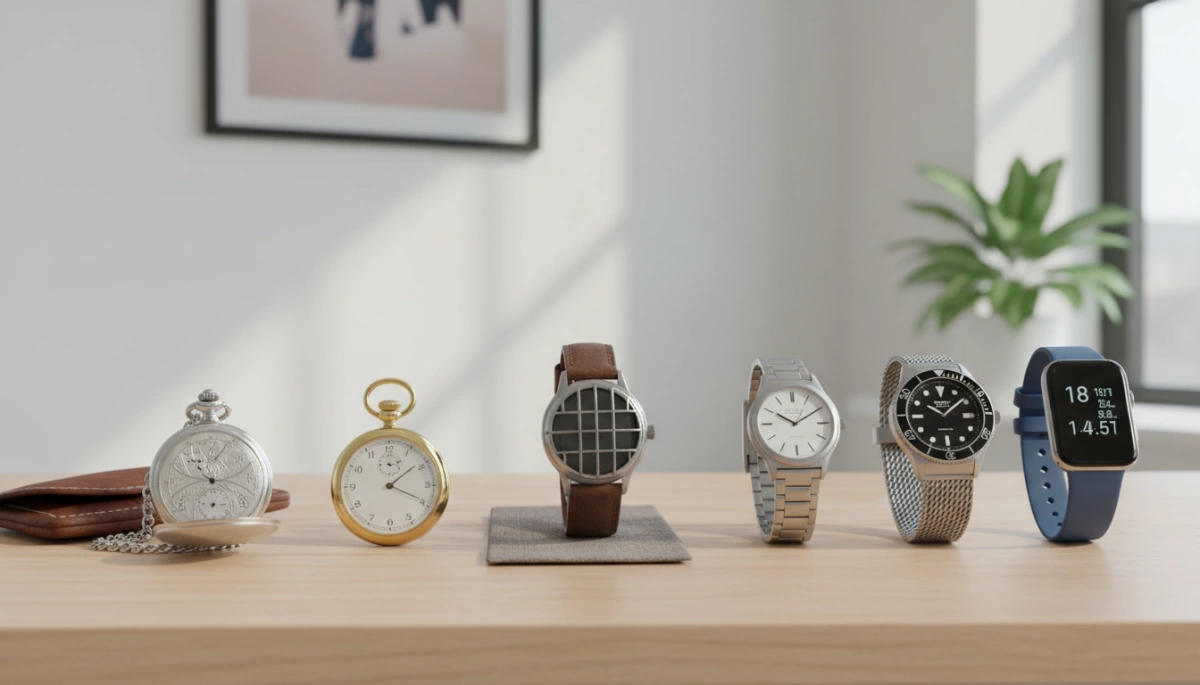
In the world of horology, few stories are as captivating as the evolution of watches from pocket to wrist. What began as a gentleman’s prized pocket watch—a symbol of status and precision—transformed into a rugged, essential tool on the wrists of soldiers in World War I. This shift wasn’t just about style; it was driven by military innovation, technological breakthroughs, and shifting social norms that redefined masculinity and utility. If you’re curious about how the humble wristwatch rose from Victorian “wristlet” stigma to become the icon it is today, you’re about to dive into a fascinating journey through time.
The Reign of the Pocket Watch: Status, Function, and Vulnerability
Before wristwatches became a staple, the pocket watch ruled the world of timekeeping. Far more than just a tool, it was a clear symbol of wealth and status — often crafted from precious metals and flaunted with pride in a vest pocket. This era marked a defining chapter in horological history, where the pocket watch was both a practical timepiece and a fashion statement.
But the pocket watch had its flaws. Its design made it vulnerable to damage—drops, dirt, and moisture could easily ruin the delicate mechanical movement inside. Keeping it safe required careful handling and a watch chain, which wasn’t always convenient.
Then came the social stigma surrounding the early wristlet—a small, bracelet-style watch worn on the wrist. At first, many considered wristlets to be feminine accessories, unfit for men. This perception delayed widespread adoption in a world still clinging to Victorian wristlets as mere novelties or “jewelery.” The pocket watch was seen as serious and respectable, while the wristlet was dismissed as dainty and frivolous.
The real shift was just around the corner, but for years, the pocket watch reigned supreme—commanding respect yet quietly revealing its limits in durability and practicality.
Early Adopters and the ‘Wristlet’ Evolution
Before wristwatches became mainstream, some early adopters were already exploring the idea of wearing timepieces on the wrist, often referred to as “wristlets.” The Boer War was a pivotal moment in this evolution. Soldiers found pocket watches impractical in combat, so they began improvising by strapping their watches to their wrists for quick glances during battle. This marked a clear shift in utility from mere status symbols to functional tools.
Another key figure in this transition was Brazilian aviator Alberto Santos-Dumont. Frustrated by the difficulty of checking his pocket watch mid-flight, he worked with watchmaker Louis Cartier to create one of the first purpose-built wristwatches. This Santos-Dumont moment helped push the wristlet from a woman’s fashion accessory to a practical, male-oriented horological innovation.
These developments triggered a broader reconsideration of timekeeping devices. Wristwatches moved from the margins into essential equipment, setting the stage for their rapid acceptance in both military and civilian life. This period highlights the early wristwatch’s practical evolution, bridging the gap between Victorian wristlets and the durable timepieces that would later dominate. For more insights on fashion evolution, check out this detailed look at festival fashion trends.
The Catalyst: World War I and the ‘Trench Watch’
World War I was a turning point in the evolution of watches from pocket to wrist. The brutal conditions of trench warfare created a tactical necessity for soldiers to keep precise time while keeping their hands free. The infamous creeping barrage tactics required synchronized timing to coordinate artillery fire and infantry advances, making the traditional pocket watch impractical in the trenches.
Enter the trench watch, a rugged military timepiece designed specifically for battlefield demands. Key design adaptations included sturdy wire lugs to attach straps securely, larger and more visible dials often featuring luminous paint influenced by early radium dial history, and protective shrapnel guards to shield the crystal from damage. These practical innovations marked a clear shift from delicate, ornamental Victorian wristlets to tough, utilitarian wristwatches.
This shift also carried a strong masculine undertone, as wristwatches became symbols of military readiness and manliness, shedding earlier stigmas about wristwear being female or feminine. The war essentially fast-tracked the horological transition era, moving wristwatches from niche fashion accessories to essential gear, which later influenced civilian acceptance and demand. For deeper insight into classic timepieces, exploring the four timeless watches that are hallmarks of style and function is highly recommended.
Engineering the Transition (The 1920s & 30s)
The 1920s and 30s were pivotal decades in the evolution of watches, marking crucial engineering advances that firmly established the wristwatch’s dominance. One of the most significant developments was the miniaturization of mechanical movements. Watchmakers crafted smaller, more reliable calibres, making it possible to create sleek wristwatches without sacrificing precision or durability. This shift allowed horological history to progress from bulky designs to elegant wearables suitable for everyday use.
Alongside movement improvements, water and dust resistance saw major leaps. The introduction of better casing and sealing techniques protected delicate inner workings from environmental damage, extending the watch’s lifespan. These advances were especially important given the increasing popularity of wristwatches in active and outdoor settings.
Another breakthrough came in glass technology. Early wristwatches often suffered from fragile crystals that shattered easily. The development of more resilient, “unbreakable” watch glass — including hardened mineral glass and later synthetic sapphire — improved scratch resistance and overall durability. These enhancements not only preserved the watch’s appearance but also improved its functionality in tough conditions.
Together, these innovations transformed wristwatches from niche military tools into dependable everyday accessories, paving the way for the golden age of wristwatches that followed.
For those interested in the broader impact of fashion and cultural transitions during similar eras, exploring the rise of post-war styles can be insightful, much like the trends seen with Vivienne Westwood’s impact on modern menswear.
The Golden Age of the Wristwatch
After World War I, the wristwatch moved beyond its military roots and became a major fashion statement. The post-war era saw wristwatches integrated deeply into everyday style, especially as men and women sought practical yet stylish accessories. This shift was partly driven by the influence of Art Deco, which inspired sleek, geometric case shapes and bold designs that were a far cry from the traditional round pocket watch cases.
During this horology transition era, wristwatches gained popularity not just for their utility but also as key fashion accessories, making vintage watch collecting an exciting hobby today. Advances such as radium dials enhanced visibility, and innovations like unbreakable watch glass made wristwatches more durable and appealing. The final verdict in the pocket watch vs. wristwatch debate firmly favored wristwatches, thanks to their convenience, style, and evolving engineering.
