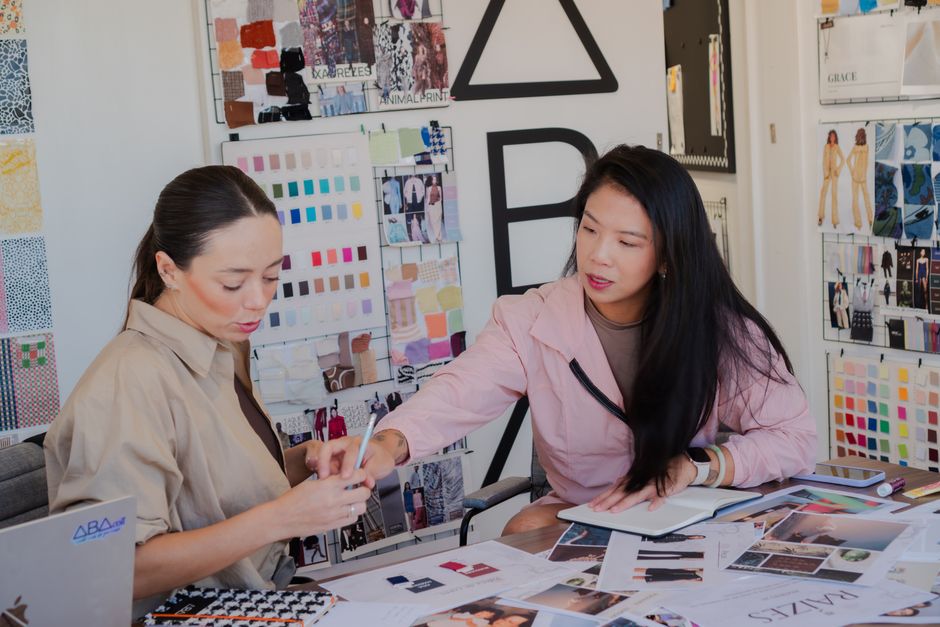
You walk into a store. You see a dress you like. You check the tag: sizes XS through XL. You wear a 2X. You walk out.
That scene repeats millions of times daily. And it’s not about “trends.” It’s about a system that treats half the population as an afterthought.
Inclusive sizing means brands offer a genuine range — typically XS through 4X or larger — with consistent fit across every size. Not just making the same pattern bigger. That distinction matters.
What Inclusive Sizing Actually Means (And What It Doesn’t)
Many brands claim “extended sizing” but deliver something hollow. They take a size 8 pattern, scale it up, and call it a size 22. That’s not inclusive. That’s lazy grading.
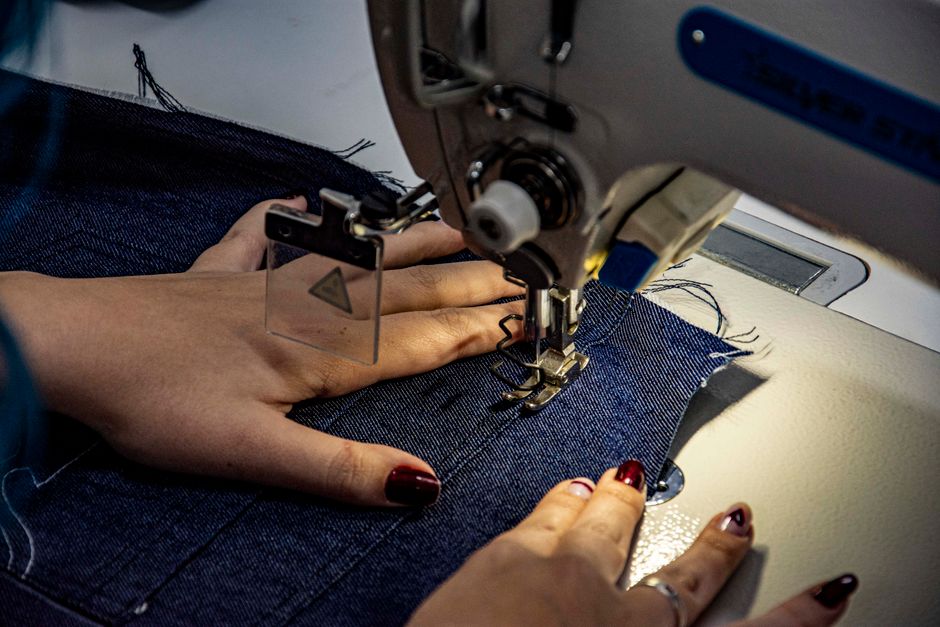
True inclusive sizing involves re-drafting patterns for different body shapes. A size 20 woman doesn’t have the same proportions as a size 8 woman scaled up. Hip width, bust height, armhole depth — all shift non-linearly.
Brands like Universal Standard (sizes 00–40) and Good American (sizes 00–32) invest in separate blocks for different size ranges. Their jeans fit differently because they’re engineered differently.
What inclusive sizing is not:
- A single “plus” section tacked onto a straight-size brand
- Size 16 as the cutoff for “plus” (the average American woman wears 16–18)
- Higher prices for larger sizes without justification (fabric costs, yes — markup for being fat, no)
The FTC has no specific rules about size labeling. Brands can call anything “plus” or “extended.” The Better Business Bureau has flagged deceptive sizing practices in the past, but enforcement is minimal. This is not legal advice — consult a licensed attorney if you believe a brand has misrepresented its sizing.
Why “One Size Fits All” Fails Most Bodies
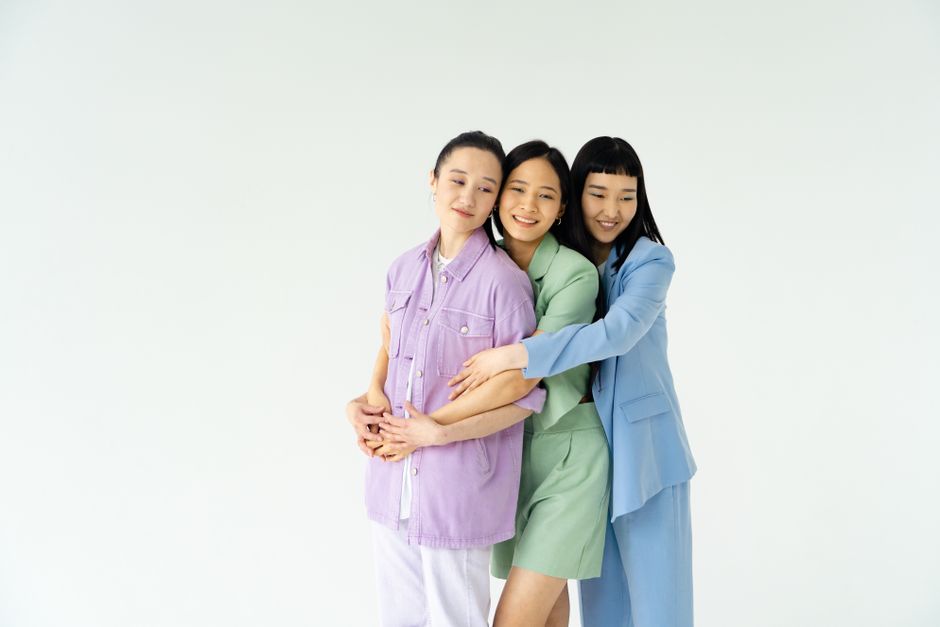
The phrase “one size fits all” is marketing fiction. It fits almost no one.
A size M in one brand might be a size L in another. Vanity sizing — labeling a size 12 as a size 8 to flatter customers — makes shopping a guessing game. For people above size 18, the inconsistency gets worse.
Here’s what happens when brands don’t size inclusively:
- Returns spike. Customers order three sizes of the same item, keep one, return two. That’s waste — fabric, shipping, labor.
- Body image damage. When you can’t find your size, the message is clear: your body isn’t welcome here.
- Lost revenue. The plus-size market in the U.S. is worth over $24 billion annually. Brands ignoring it leave money on the table.
Aerie (sizes XXS–2X) and Savage X Fenty (sizes XS–4X) proved that inclusive sizing drives loyalty. Aerie’s #AerieREAL campaign, featuring unretouched models of all sizes, boosted sales by 20% in its first year.
How to Tell If a Brand Actually Does Inclusive Sizing Right
Not all inclusive sizing is equal. Here’s a quick checklist:
| What to Look For | Green Flag | Red Flag |
|---|---|---|
| Size range | XS–4X or wider, with consistent availability | “Plus” section only online, not in stores |
| Fit models | Brand uses multiple fit models across size range | Same fit model for all sizes |
| Grading method | Separate blocks for different size clusters | Straight grade from one base size |
| Customer reviews | Positive reviews across the full size range | Reviews mention inconsistent fit above size 14 |
| Pricing | Same price for same item across sizes (or small justified difference) | 20%+ markup for sizes above 18 |
Torrid (sizes 10–30) uses dedicated fit models and offers consistent pricing. ASOS Curve (sizes 14–28) has separate design teams for plus sizes. These brands understand that fit is a technical problem, not a marketing one.
The Limits of Inclusive Sizing: When Bigger Isn’t Better
Inclusive sizing has real limits. Here’s what it can’t fix:
- Fast fashion waste. More sizes means more SKUs, more unsold inventory, more landfill. Shein offers sizes XXS–4X but produces millions of units that often go unsold.
- Fit variability across fabrics. A cotton dress and a silk dress in the same size will fit differently. No amount of grading solves that.
- Petite and tall needs. Inclusive sizing usually means width, not height. Someone who wears 4X but is 5’2″ will struggle with length in most brands.
When NOT to buy into a brand’s inclusive sizing claims:
- If they offer sizes 0–24 but have no photos of models above size 12
- If their return policy charges restocking fees for size exchanges
- If they launched “extended sizes” as a limited collection, not a permanent line
Dia & Co (personal styling for sizes 10–32) built its business around these gaps. They know that inclusive sizing isn’t just about making more sizes — it’s about understanding how clothes actually work on different bodies.
Why the Fashion Industry Still Gets This Wrong
Three structural problems keep inclusive sizing from becoming standard:
- Cost of sampling. Each size needs its own sample. For a brand selling 6 sizes, that’s 6 samples. For 12 sizes, it’s 12. Sampling costs can double or triple.
- Retail shelf space. Stores have limited racks. Carrying sizes 00–40 means fewer style choices per size. Many retailers prefer depth over breadth.
- Designer bias. Fashion schools teach pattern-making on size 6–8 fit models. Most designers graduate without ever drafting for a size 22. The industry perpetuates its own ignorance.
Eloquii (sizes 14–28) started as a plus-only brand and succeeded because they didn’t have to retrofit a straight-size system. They built from scratch. That’s why their fit is consistently better than brands that added plus sizes as an afterthought.
A 2026 study from the International Journal of Fashion Design, Technology and Education found that 67% of plus-size women report dissatisfaction with fit in mainstream brands. The problem isn’t their bodies. It’s the patterns.
What Real Change Looks Like (Beyond the Hype)
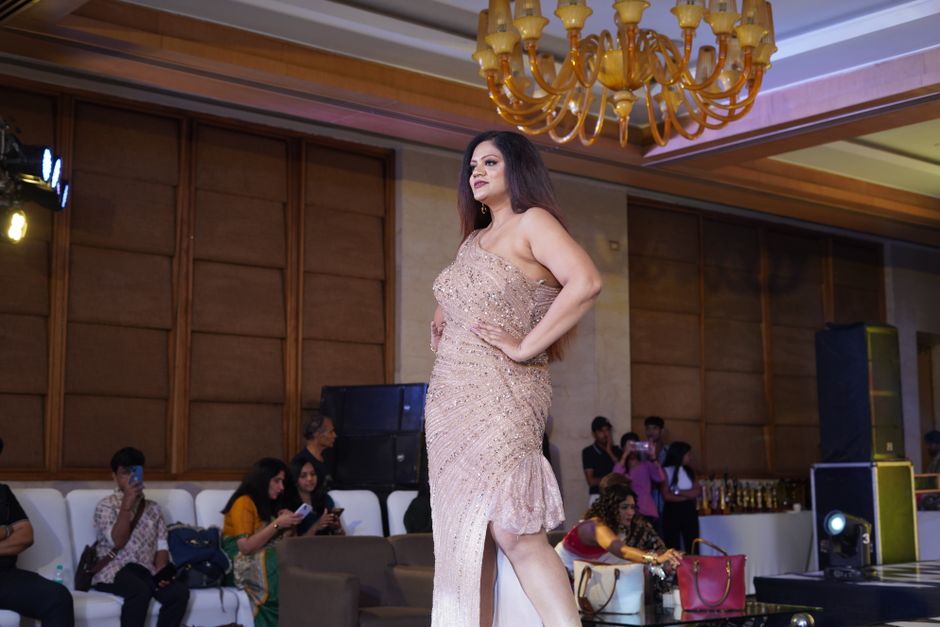
Inclusive sizing isn’t charity. It’s not a trend. It’s a correction.
Brands that do it well share common practices:
- They hire fit models across the size range — not just one model for everything.
- They publish detailed size charts with actual garment measurements, not just generic bust-waist-hip numbers.
- They listen to customer feedback about fit and adjust patterns accordingly.
Universal Standard offers a “Fit Liberty” program: if your size changes within a year, they’ll exchange unworn items for free. That’s not marketing. That’s structural commitment.
The fashion industry moves slowly. But consumer demand is accelerating change. When Nike expanded its plus-size athletic wear line in 2026, sales jumped 15% in that category. The data is clear.
Inclusive sizing won’t solve every problem in fashion. But it solves one that affects more than half the population. That’s not a trend. That’s the baseline.
