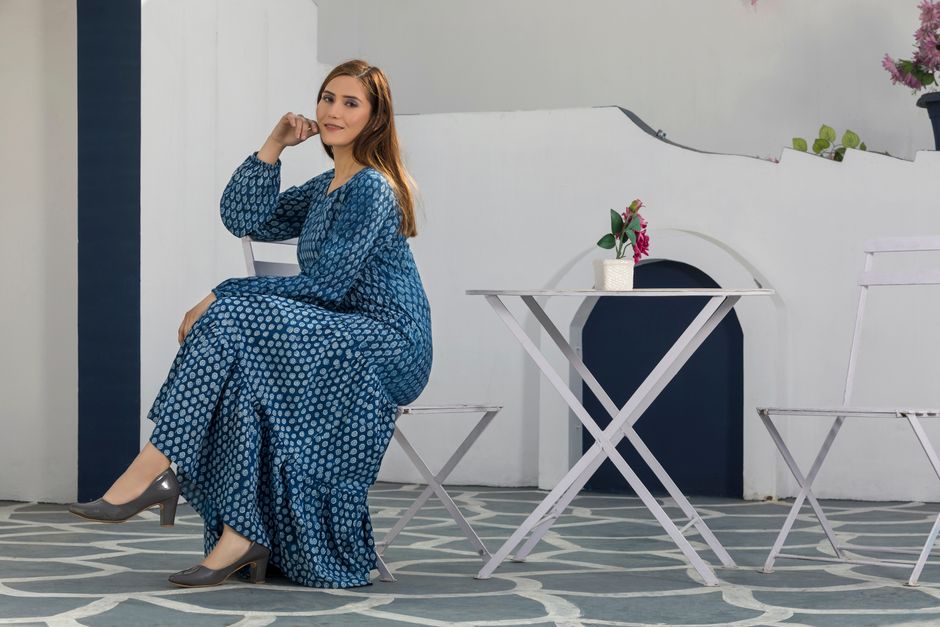
You have a maxi dress hanging in your wardrobe, but it feels too casual for dinner and too dressy for a quick daytime errand. That awkward middle ground is where most styling problems begin. The dress itself is rarely the issue. The real difference comes from the layers, shoes, proportions, and finishing details around it.
A relaxed daytime look needs useful layers and easy movement. An evening look needs sharper contrast, cleaner lines, and fewer competing details. The same maxi dress can handle both when each choice has a clear job.
Start with the maxi dress shape, not the accessories
A maxi dress works because it creates one long visual line from the shoulders to the ankles. That length can make an outfit look elegant with very little effort, but it also means small proportion mistakes become easy to see. A loose dress with a loose jacket can look shapeless. A narrow dress with heavy shoes can look weighed down.
Match the layer to the dress volume
For a full, flowing maxi dress, choose a shorter or more fitted layer that ends near the waist or upper hip. This keeps the waist area visible and stops the outfit from becoming one large block of fabric. A cropped cardigan, neat denim jacket, or short structured jacket usually works better than a long, oversized coat indoors.
For a slim, column-shaped dress, you can add more volume above it. A relaxed shirt worn open, a longer cardigan, or a soft blazer creates contrast without hiding the dress completely. The goal is not to make every item fitted. The goal is to balance volume across the whole body.
Check the hem before choosing shoes
The hem should skim the top of the foot without dragging across the ground. If the fabric bunches heavily around your ankles, the dress will look untidy during the day and unsafe at night. If it stops several centimetres above the ankle, the outfit may look accidental rather than deliberately long.
Stand in the shoes you expect to wear and check the hem from the front and side. This simple test prevents one of the most common maxi dress errors: building an outfit around shoes that change the length too much.
Use this day-to-evening formula
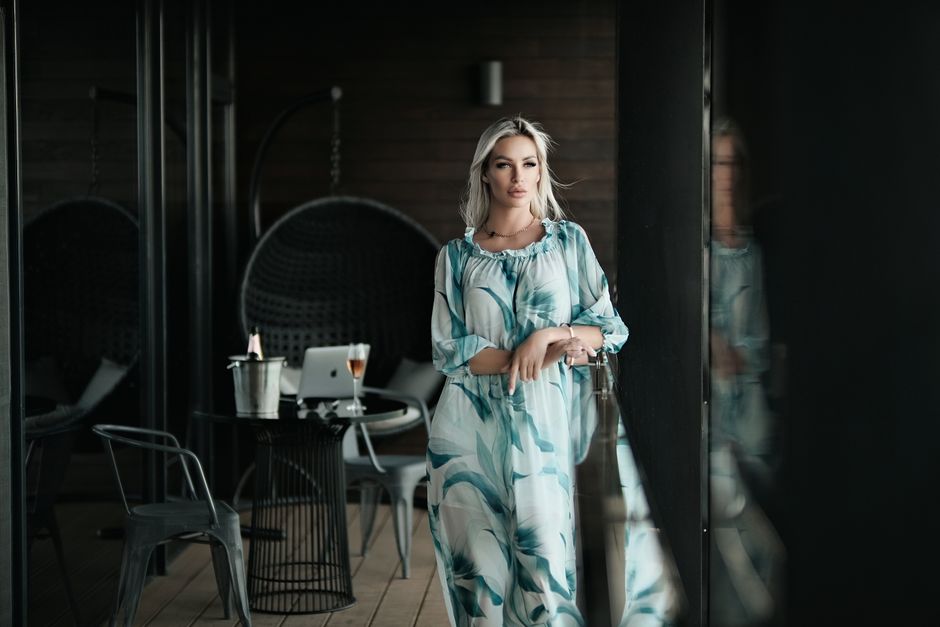
The most reliable formula is to keep the dress as the constant and change three supporting elements: the outer layer, the shoes, and the level of shine. Daytime styling should look practical enough for walking, sitting, and changing plans. Evening styling should feel more intentional, even when the dress remains comfortable.
A daytime maxi dress can move into the evening when the practical pieces disappear and one or two refined details take their place. Changing everything at once often creates a disconnected look.
Build a daytime outfit that still looks polished
Daytime does not mean careless. A maxi dress should feel easy, but the outfit still needs a clear shape. The best casual versions use one relaxed element, one structured element, and one practical element. For example, a flowing dress can work with a cropped jacket, flat sandals, and a crossbody bag. The dress stays soft while the jacket and bag give it definition.
Choose movement over decoration
For errands, travel, lunch, or outdoor plans, the dress should allow you to walk without constantly adjusting the hem or neckline. Look for straps that stay in place, a waist that does not pinch, and fabric that moves without clinging at every step. Pockets can help, but they should not pull the side seams or change the drape.
Keep the color story quiet during the day. Two main colors and one small accent usually look more considered than several unrelated shades. A printed dress can stand alone with neutral shoes and a simple layer. A plain dress gives you more freedom to add texture through the jacket, bag, or scarf.
Use one structured detail
A belt, firm bag, jacket collar, or defined shoulder can stop a relaxed maxi dress from looking like sleepwear. Pick one. Adding several structured details can make the outfit feel stiff and overworked.
Flat shoes are not automatically casual. Clean lines, a neat toe shape, and good condition matter more than height. The strongest daytime outfit is the one that lets you move freely while still looking like you made a decision.
Make the same dress work for evening plans
For evening, remove visual noise before adding glamour. This is the quickest way to make a maxi dress feel suitable for dinner, a concert, or a late gathering. Take away the large daytime tote, bulky casual layer, and overly practical shoes. Then add one sharper silhouette and one focused accent.
A fitted blazer can give a soft dress more authority. A short jacket can show the waist and make the full length feel deliberate. If the dress already has a dramatic neckline or strong print, keep the accessories restrained. If the dress is plain, let the earrings, bag, or shoes provide the point of interest.
Change the visual weight at the feet
Evening shoes do not need to be extremely high. A low block heel, pointed flat, or slim ankle boot can create a cleaner finish than a bulky platform. The important detail is the relationship between the shoe and the hem. A narrow shoe keeps the long line intact, while a heavy shoe adds a strong break at the ankle.
Control shine and contrast
Evening texture works best in small doses. A polished bag, satin layer, metallic earring, or glossy shoe is enough to signal a change in occasion. Too many shiny elements compete with the length of the dress and can make the outfit look costume-like.
For a simple verdict: use structure for polish, contrast for impact, and restraint for elegance. The dress does not need to become formal if the finishing choices are precise.
Common maxi dress mistakes and the fixes
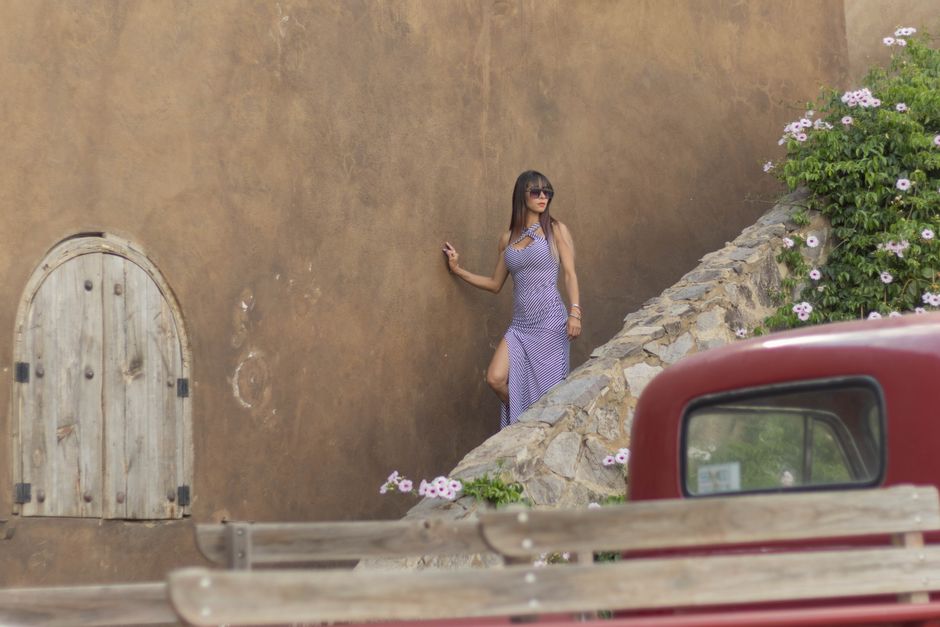
Most maxi dress problems come from proportion, comfort, or a mismatch between the setting and the outfit. These mistakes are easy to correct once you know what to check.
- The hem is too long. A dragging hem collects dirt, catches under shoes, and makes the outfit look unfinished. Wear the shoes you plan to use, then shorten the dress or choose a slightly higher shoe. Do not rely on folding the fabric at the waist; it can distort the shape.
- Every layer is oversized. A loose dress, loose cardigan, and large bag can erase your proportions. Keep the dress relaxed if you like, but make at least one layer shorter or more defined.
- The daytime outfit has too many decorative details. Prints, fringe, large jewellery, a patterned bag, and statement shoes can compete with one another. Remove the least useful detail first.
- The evening outfit is too casual at the top. A very soft hoodie or worn-looking jacket can pull the whole look toward daytime, even with dressy shoes. Swap it for a clean blazer, cropped jacket, or refined wrap.
- The fabric is wrong for the setting. Very thin fabric can look uncomfortable in formal spaces, while heavy jersey may feel too warm indoors. Think about temperature, lighting, seating, and how much walking the plan involves.
- The waist is defined in the wrong place. A belt that sits too low can shorten the legs visually. Try the natural waist or a slightly higher position, then check whether the skirt still falls freely.
A versatile dress should leave room for at least two footwear options and one practical layer.
Maxi dress questions with clear answers
Can a maxi dress be worn casually?
Yes. Pair it with a practical layer, comfortable shoes, and a useful bag. Keep the accessories simple and make sure the hem allows easy movement. A relaxed cotton or jersey shape usually reads more casual than a glossy, heavily embellished fabric.
What shoes look best with a maxi dress?
The best shoes are the ones that match the hem and the setting. Flat sandals and trainers suit daytime movement. Pointed flats, slim boots, and low heels create a cleaner evening line. Avoid shoes that make the fabric bunch around the ankle or drag under the sole.
How can a maxi dress look less overwhelming?
Show one area of structure: the waist, shoulders, neckline, or wrists. A shorter jacket, a neat belt, or rolled sleeves can break up the fabric without taking away the dress’s long shape. Keeping the color palette narrow also makes the outfit easier to read.
Should a jacket be longer or shorter than a maxi dress?
For a full skirt, a shorter jacket is usually the safest choice because it keeps the waist visible. For a slim column dress, a longer jacket can look elegant if it has a clear shoulder or lapel. The jacket should add a new line rather than end at an awkward point across the widest part of the body.
A maxi dress earns its place in a wardrobe when it can move between real parts of life: walking, working, meeting friends, and going out later. Start with the dress shape, make the hem practical, then change the layer, shoe, and bag to match the hour.
The single most important takeaway is this: style a maxi dress for the occasion by changing its supporting pieces, not by fighting the dress’s natural length.
