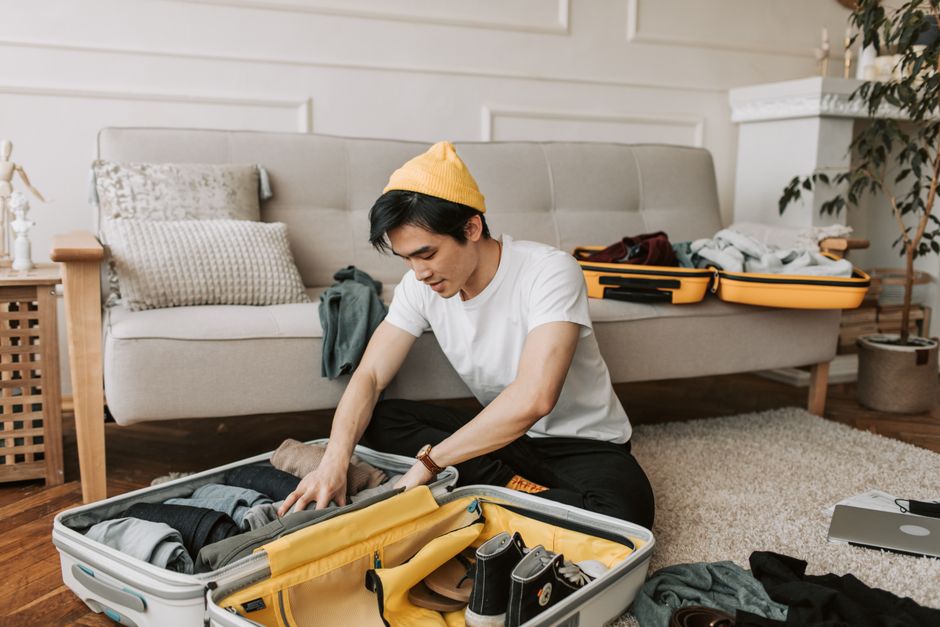
Packing for a summer trip is easier when every garment has a clear job. You need clothes for warm afternoons, cool transport, long walks, and perhaps an evening with a dress code, all within a bag you can comfortably carry. The useful starting point is your itinerary and laundry access. Build around those, then test the outfits before you close the suitcase. You can travel with variety without bringing a separate wardrobe for every possible mood.
Match your bag to the journey
Check your airline’s current cabin baggage dimensions, weight allowance, and personal-item rules before choosing a case. Include connecting carriers, since allowances can differ. Measure the packed bag with its wheels and handles, and remember that expanding a suitcase can change whether it fits. A bag that closes successfully at home still needs to meet the applicable limits.
Think about the journey beyond the airport, too. Stairs, uneven pavements, and crowded trains make weight matter. Leave some breathing room inside the case so you can retrieve a shirt without emptying everything. Packing comfortably within the bag’s capacity also makes the journey home easier, when clothes may be folded less neatly.
Plan around activities and laundry
Write down the main activities you have actually planned: travel, walking, swimming, active outings, and any meals or events with a dress code. Note whether you will need covered shoulders or longer hemlines for particular venues. These details help you choose useful clothes without filling the suitcase with outfits for hypothetical invitations.
Next, work out the longest stretch between reliable laundry opportunities. Confirm whether your accommodation has washing facilities and somewhere suitable to dry garments. A small bathroom without ventilation may make overnight hand washing impractical. Pack underwear, socks, and frequently changed tops around that interval, allowing a spare change for delays or particularly hot days.
Rewear trousers, skirts, or layers only when they are clean and comfortable enough for you. Heat and activity affect how often clothes need washing. If the trip is long, a planned laundry stop can be more practical than adding more clothes. Your holiday should not depend on washing an essential outfit every evening.
Give each piece a purpose
For a relaxed week with laundry available midway, this list offers a starting point. Count your travel clothes within the total, then adapt it to your habits and itinerary. You may prefer dresses to separates, or need extra activity clothes; the useful part is assigning jobs before adding quantities.
- Four tops: comfortable everyday options, including one suitable for a casual dinner.
- Two bottoms: a dependable walking option and another that suits your destination and activities.
- One additional outfit option: a dress, jumpsuit, or extra separates you will actually wear.
- One light layer: a shirt, cardigan, or jacket for transport and cooler evenings.
- Two pairs of shoes: a familiar walking pair and a second pair with a distinct purpose.
- Personal essentials: underwear, socks, sleepwear, and any swimwear or specialist clothing your plans require.
A swimming holiday may justify another swimsuit so one can dry. A formal event may require a dedicated outfit. Make space for those needs by removing something less useful. Otherwise, a practical starting list can quietly grow into an overflowing case as every exception becomes an addition.
Try outfits before packing them
Lay your clothes out and assemble complete outfits, including shoes and underwear. Check how the tops sit with each bottom. A shirt may match a skirt in color yet bunch awkwardly at its waistband. A dress might need a particular bra or slip. Discovering these dependencies at home prevents packing clothes you cannot comfortably wear.
Repeat a few colors across your choices to make combinations easier, but keep the prints and shades you enjoy. A small suitcase does not require an entirely neutral wardrobe. A patterned shirt earns its place when it works with your chosen bottoms. Photograph successful combinations so getting dressed away from home takes less thought.
Let dinner clothes work elsewhere
For casual evenings, a fresh top or a small accessory may provide enough change. Choose something that also works during the day: a loose shirt can accompany walking trousers, while a comfortable dress can suit both sightseeing and dinner. Follow actual venue requirements, however, and include a separate occasion outfit when the dress code calls for one.
Check bulk, care, and comfort
Look beyond fabric labels and assess the garment itself. Thick waistbands, linings, and heavy trims can make apparently light clothes bulky. Pale or sheer pieces may need extra underlayers that also take up space. Choose items whose creases you can live with, and read their care labels before assuming you can wash them in a sink.
Rehearse with unfamiliar clothes before departure. Sit down, reach overhead, and walk in the shoes you intend to wear. Check straps, closures, and pockets. If hand washing is part of your plan, test drying time under realistic conditions. Avoid depending on an iron or steamer unless you know one will be available.
Be selective about shoes and layers
Bring walking shoes you already find comfortable. Your second pair should solve another need, such as swimming facilities or smarter dinners, while working with several outfits. If both pairs serve essentially the same purpose, reconsider the duplication. Wear the bulkier pair during travel when practical, and separate packed shoes from clothing with a washable bag.
Choose your layer for the conditions you expect. A light shirt may suit an evening breeze, while cool transport may call for a cardigan. Consider rain protection separately if your destination requires it. Wearing a heavy jacket simply to save suitcase space can become inconvenient when you have to carry it through a warm arrival day.
Pack for easy access and the return trip
Group clothes by use, with pouches or packing cubes if they help you find things. Roll soft basics and fold structured pieces along existing seams. Neither method guarantees smooth clothes, so avoid forcing garments into a tightly compressed block. Put anything needed soon after arrival near the top.
Keep worn clothes separate from clean ones. Allow washed garments and swimwear to dry fully before packing whenever possible; if something must travel damp briefly, isolate it and unpack it promptly. Finally, close and weigh the bag, then carry it around your home. Remove the vague extras that complicate your outfits. A useful carry-on wardrobe leaves you ready for the days you have planned, with room to move comfortably through them.
