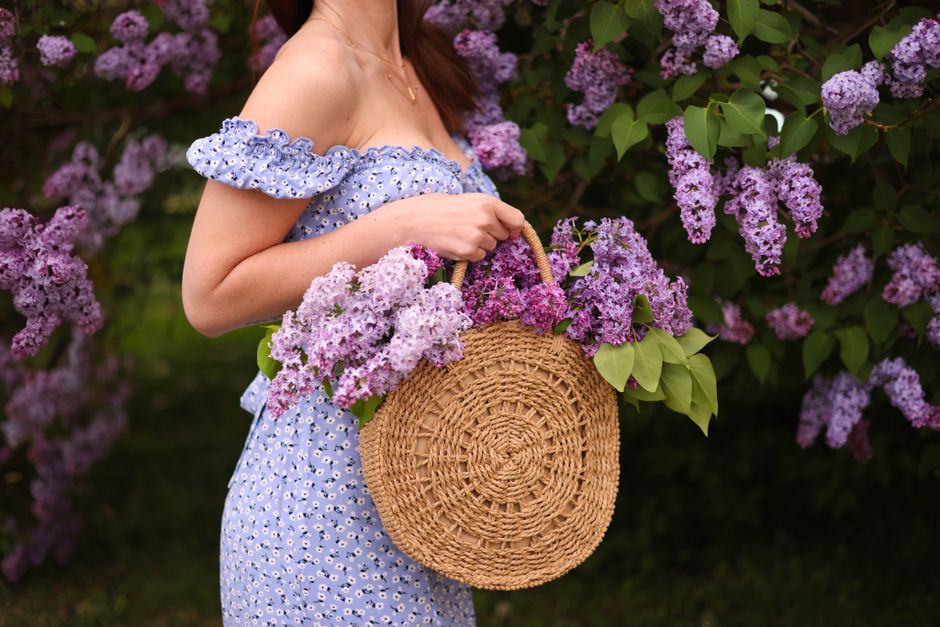
A straw bag brings texture to an outfit, whether you are wearing a cotton dress or a simple shirt and trousers. Choosing one takes more than finding a shape you like: the weave, handles, lining, and closure all affect how useful it will be. The best choice fits what you carry and feels comfortable against your clothes. Here is how to choose and style a straw bag so it becomes a practical part of your wardrobe.
Choose the bag around your everyday needs
Start with your usual contents, rather than the occasion pictured in a shop display. A phone, keys, wallet, and sunglasses need less space than a book, water bottle, and light cardigan. Check the opening as well as the overall dimensions. A roomy bag with a narrow mouth can still make your belongings awkward to reach.
A tote for roomy, relaxed outfits
An open basket or woven tote suits errands, lunches, and days when you need extra room. Look for a base that stays reasonably flat when loaded and handles that do not dig into your hand. If you want to carry it on your shoulder, check that the handle opening comfortably clears your upper arm and any sleeves.
A crossbody for hands-free days
A small crossbody is useful when you want your essentials close while walking or browsing. Try the strap at different lengths and notice whether the bag bumps your hip or swings forward. A secure closure and a lining are especially helpful here, since the bag moves around as you do.
A structured bag for dressier plans
A compact top-handle bag, framed pouch, or woven clutch can work with more polished clothes. Look for a neat outline and a closure you can operate easily. Before choosing a rigid shape, check that your phone fits without forcing the sides apart. Decorative appeal matters less if everyday essentials distort the bag.
Look closely at materials and construction
The phrase “straw bag” can describe bags made from different woven materials, including raffia, seagrass, and paper-based fibers. Read the material label and care instructions rather than assuming every basket-like bag behaves alike. Treatments, linings, and construction can matter as much as the fiber itself.
Run your hand gently over the outside, especially the side that will sit against your body. Protruding ends or rough sections may catch delicate fabrics. Some variation is part of a woven surface, but loose strands, separating seams, or handles that pull away from their attachments deserve closer attention.
- Check the base: It should support your intended contents without sagging excessively or tipping immediately.
- Inspect the handles: Look for secure attachments and smooth areas where you will grip them.
- Examine the lining: Check for sound seams, particularly around pockets and the opening.
- Test the closure: Make sure it closes properly with your essentials inside.
- Consider small belongings: An open weave needs a lining or inner pouch to contain keys and other little items.
A lined bag offers privacy, but the lining should not be pulled tight across the interior. If you prefer an unlined basket, a removable fabric pouch can keep contents together and make changing bags easier. Avoid loading either style beyond what the handles and structure comfortably support.
Use proportion as a comfort check
You do not need a particular body shape to wear a particular bag. Instead, check how its size and position work with your clothes and movements. A wide, rigid basket may catch a loose sleeve; a long crossbody strap may place a small bag somewhere inconvenient when you sit.
Try the bag with the kind of outfit you actually wear. Walk, sit, and reach into it. If a large tote feels visually overwhelming with a loose dress, try holding it by the handles instead of putting it over your shoulder. If that feels inconvenient, a smaller shape may serve you better.
Make the texture feel connected to your outfit
A woven bag already adds surface detail, so it works easily alongside plain cotton, denim, and smooth tailoring. You do not need to repeat the same texture elsewhere. When wearing crochet, embroidery, or a busy print, a simple bag shape can help the outfit feel considered without making every piece compete.
Choose color according to the clothes you reach for most. Pale natural tones sit comfortably with white, blue, olive, and soft neutrals. Darker brown or black woven bags can connect with darker shoes or trousers. Dyed styles offer another option, but check the care label for any guidance about moisture or color transfer.
Your shoes and bag do not have to match exactly. Repeating one color somewhere in the outfit is enough if you want a visual connection. Tan sandals might echo a handle, while black flats can relate to a dark closure or strap.
Build outfits around the bag’s shape
Easy everyday dressing
Pair straight-leg jeans and a plain T-shirt with a medium woven crossbody and flat sandals. The familiar clothes leave room for the texture to stand out. A button-front shirt worn open adds a layer when needed. Keep the strap clear of bulky pockets so the bag rests comfortably.
A polished daytime outfit
Wear tailored trousers with a tucked-in cotton shirt and a structured straw top-handle bag. Loafers or simple flats support the tidy feel of the clothes. Choose a bag that can hold its outline with your belongings inside, and check workplace expectations before making it your regular office option.
A dress for lunch or an informal celebration
With a printed dress, try a compact woven bag in a color already present in the fabric. With a plain dress, an interesting curved or boxy shape can provide the detail. For a more formal invitation, assess the dress code first; an open beach-style basket may feel too casual.
Mild days beyond summer
A straw bag can also work with jeans, a cotton knit, and a light jacket when the weather is dry. A smaller bag with darker trim often sits comfortably beside these layers. Let weather and practicality guide you, especially if your day involves rain or leaving the bag on damp ground.
Keep the weave in good condition
Follow the bag’s own care instructions. For routine dust, a soft, dry brush or cloth may be enough; avoid soaking the weave or applying household cleaners without suitable guidance. Keep drinks and toiletries securely closed inside a separate pouch. If the bag gets damp, empty it and allow it to dry naturally in a ventilated place away from direct heat.
Store it empty, with light support inside if needed to preserve its shape. Avoid crushing it beneath other bags or hanging a heavily loaded basket by its handles. Before heading out, check the forecast, lighten your contents, and make sure the closure works. A well-chosen straw bag should make getting dressed easier and carrying your essentials comfortable.
