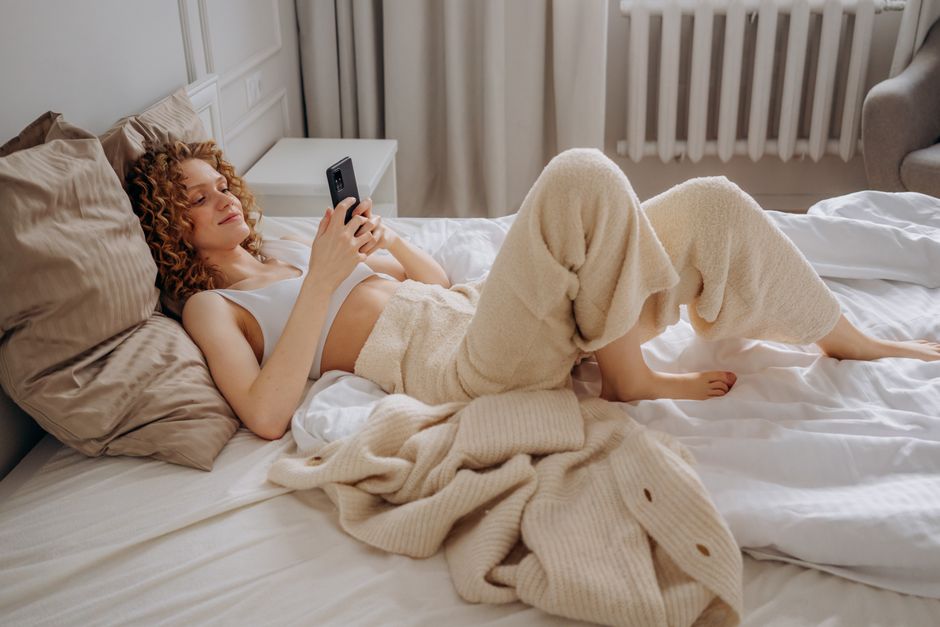
Cozy loungewear that still looks put together should make an ordinary day easier. You can curl up on the sofa, prepare lunch, or answer the door without spending the afternoon adjusting your clothes. The secret is to choose soft pieces with thoughtful details: a comfortable neckline, a waistband that sits smoothly, and hems that stay clear of your feet. Start with what feels good, then refine how everything sits together.
Think about what you do at home
Your clothes need to suit your version of relaxing. Reading in an armchair calls for different details than cooking or playing on the floor. If you spend time near the sink, sleeves that push back securely will be more useful than wide cuffs. If you like sitting with your legs tucked underneath you, check how the fabric stretches across your knees.
Try an outfit for a few minutes before deciding it works. Sit, reach overhead, bend forward, and walk around. Notice any seams that rub, buttons that press into you, or necklines that need constant adjustment. These small distractions matter when comfort is the whole point of getting dressed.
Choose softness with enough substance
A fabric can feel lovely in your hand yet look limp once you put it on. Hold the garment up and see how it falls. Look for an even drape and seams that hang straight. Smooth jersey, fine ribbing, and soft interlock knits are useful starting points, depending on the weight and warmth you prefer.
Check the outside separately from the inside. A brushed lining might feel cozy, but the outer surface should also suit the look you want. Examine it for uneven fuzz, twisting seams, and edges that curl. A little texture can be beautiful; what matters is whether it looks consistent across the garment.
- Check coverage: look at the fabric in daylight, including where it stretches over your seat or knees.
- Test recovery: gently stretch a small section and see whether it returns to shape.
- Feel the edges: neck bindings and cuffs should feel comfortable against your skin.
- Read the care label: choose pieces with washing instructions you can realistically follow.
No single fiber guarantees a polished result. Cotton, wool, regenerated cellulose fibers, and synthetic blends can all be used in comfortable lounge clothing. The construction and your own preferences matter. If certain fabrics feel itchy, test them against your inner arm or neck before committing.
Get the waistband and rise right
Lounge trousers should stay in place without digging in when you sit. A drawstring offers adjustment, but you should not need to pull it painfully tight to keep the trousers up. If the waistband rolls or the back slips down, try a different rise or cut as well as another size.
Look at the front while sitting and standing. Tight horizontal lines, pulling pockets, or fabric that gathers awkwardly can indicate that the shape does not give you enough room where you need it. You do not have to accept these issues just because a garment stretches. A different pattern may feel much easier.
Test pockets with whatever you usually carry. A phone can drag down lightweight trousers or make one side twist. Firmer pocket construction may help, or you might prefer a pocket-free shape for relaxing. Choose the option that suits your habits instead of treating extra pockets as an automatic advantage.
Let hems and necklines provide definition
Soft clothes often look more considered when their edges have a clear stopping point. Trouser hems should clear the floor in your usual indoor footwear. Check wide legs while walking, because they may move under your feet even if the length looks fine when you stand still.
A neatly finished crew neck, a short button placket, or a soft collar can give a relaxed top enough definition. Choose one detail you enjoy wearing. There is no need to add several decorative features when the shape already feels complete.
Notice where the top ends when you sit. If it collects in a bulky fold at your waist, try a shorter hem or a side split. Wearing it untucked can be perfectly polished. A tuck is useful only if it feels comfortable and does not crowd the waistband.
Build a quiet connection between pieces
You do not need to buy a coordinated outfit. Start with your favorite lounge piece and find something that shares its general mood. A smooth top and softly draped trousers can work together because both have simple surfaces. Alternatively, repeat a subtle rib detail or choose colors with a similar depth.
Exact color matching is optional. Try oatmeal with brown, faded blue with navy, or plum with charcoal. If two nearly identical shades seem awkward together, make the difference clearer. View them near a window before deciding, since indoor lighting can change how closely colors appear to match.
Try these easy combinations
A soft collared top and straight lounge trousers
A relaxed knit polo or soft button-front top gives the neckline a little shape. Pair it with trousers that fall comfortably from the hip. Check that the shoulder seams allow easy reaching and that buttons feel pleasant when you lean against a cushion. Leave the top loose if that feels best.
A plain jersey top and ribbed lounge pants
Let the ribbing supply the visual interest. Look for trousers that hang freely rather than stretching the ribs flat across your legs. A simple top keeps the combination calm, while comfortable indoor shoes can finish it. This is especially useful if you prefer clothing without dangling ties or bulky layers.
A knit lounge dress and washable overshirt
If waistbands bother you, try a relaxed knit dress. Check its coverage while sitting and bending, and make sure the neckline stays where you want it. An easy overshirt provides an optional extra layer for answering the door or moving into a cooler room.
Keep the finishing routine manageable
Before stepping out, check for lint, a twisted seam, or a hem caught in your waistband. Add outdoor shoes that work with your trouser length and outerwear appropriate for the weather. Accessories are optional. If you wear jewelry, smooth pieces are often easier to relax in than anything that catches on knitted fabric.
Follow care instructions, treat small spills promptly, and let clothing dry fully before putting it away. Check occasionally for loose threads and stretched elastic. Keep a few comfortable combinations together so getting dressed takes little thought. When the fit and fabric suit your day, looking put together becomes a small, natural part of feeling at ease.
