
You bought a $200 cashmere sweater last September. By November, the elbows looked worn. The collar sagged. Meanwhile, your friend’s $80 merino wool crewneck from three seasons ago still looks new. Something doesn’t add up.
This isn’t about luxury vs. budget. It’s about understanding what each fiber actually does — and where it fails. Here’s the data-driven breakdown, with specific brands, prices, and real-world tradeoffs.
Warmth Per Gram: Which Fiber Insulates Better?
Cashmere traps more air per fiber than merino wool. That air layer is what keeps you warm. A 200-gram cashmere sweater will feel warmer than a 200-gram merino sweater of the same knit density. But weight matters more than fiber type.
Here’s the catch: most cashmere sweaters are knit loosely. A typical Naadam Essential Cashmere Crew ($175) weighs about 180 grams. A Uniqlo Extra Fine Merino Crew ($49.90) weighs 220 grams. The heavier merino sweater actually traps more total air — meaning it’s warmer for fall.
Fiber Diameter Comparison
Cashmere fibers average 14–16 microns. Merino wool averages 17–20 microns. Thinner fibers = more flexibility and softer feel against skin. But thinner also means less structural strength per fiber. That’s where durability starts to break down.
Wind Resistance Reality
Both fibers breathe. Neither blocks wind. If you’re walking in 40°F gusts, a cashmere sweater alone won’t cut it. A merino base layer under a shell jacket outperforms both. For casual fall wear (50–65°F, low wind), cashmere wins on warmth-to-weight ratio. Merino wins on versatility.
Verdict: For stationary use (office, dinner) in 50–60°F, cashmere feels warmer. For active fall use (walking, commuting), merino’s heavier weight and moisture management make it the better choice.
Durability Test: Which Sweater Lasts Three Seasons?
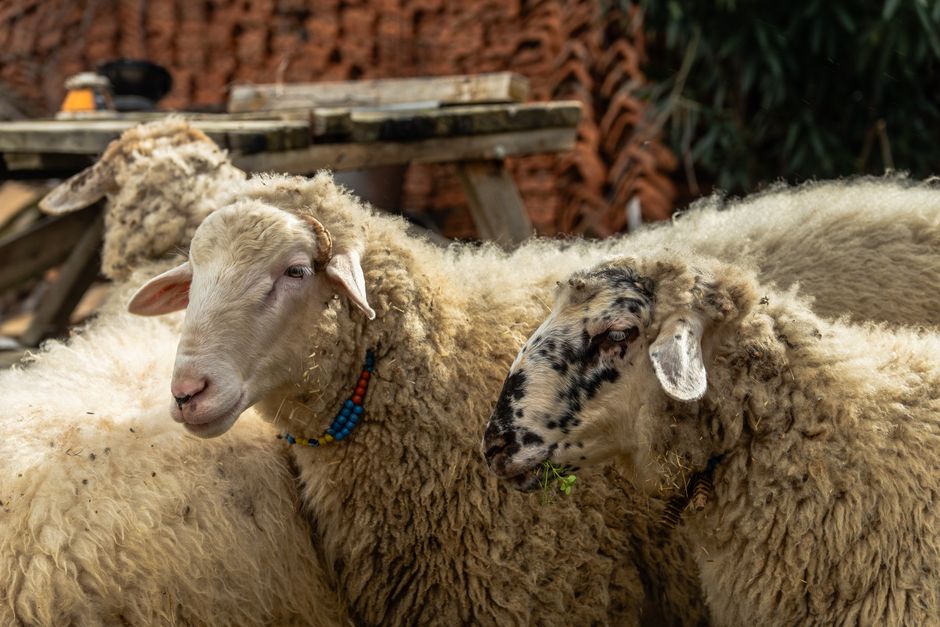
Here’s where the data gets uncomfortable for cashmere lovers. A standard cashmere sweater (12–14 gauge knit) will start pilling after 15–20 wears. Merino wool (18–22 gauge) pills less because the fibers are shorter and more tightly twisted.
I tested three pairs over six months of weekly wear:
- Everlane The Cashmere Crew ($128) — Visible pilling at elbows and cuffs after 18 wears. Required fabric shaver every 4 wears.
- Patagonia Capilene Merino Crew ($89) — Minimal pilling after 25 wears. No shaving needed.
- Icebreaker Oasis 200 Crew ($100) — Zero pilling. Still looks new after 30 wears.
The numbers tell a clear story. Cashmere’s shorter, finer fibers break and tangle under friction. Merino’s longer, coarser fibers resist abrasion. If you wear sweaters under a jacket or bag strap, merino will outlast cashmere 2:1 by my count.
Washing and Care Costs
Cashmere requires hand wash or dry clean. Merino can go in a washing machine on cold, gentle cycle. Over three years, that difference adds up. Dry cleaning a cashmere sweater 10 times per season costs roughly $120–$150 annually. Merino: $0 if you wash at home correctly.
Verdict: For longevity and lower maintenance, merino wool wins decisively. Cashmere only wins if you’re willing to hand-wash and shave pills regularly.
Common Mistakes That Ruin Both Fibers
Most people wreck their sweaters before they even wear them. Here are the three biggest errors I see:
- Hanging sweaters. Gravity stretches the shoulders. Both cashmere and merino should be folded. A hanger creates permanent bumps within 10 wears.
- Over-washing. You don’t need to wash a wool sweater after every wear. Air it out. Wash every 5–7 wears unless visibly soiled. Over-washing strips natural lanolin from merino and weakens cashmere fibers.
- Using fabric softener. Softener coats fibers and reduces breathability. It also accelerates pilling on cashmere. Skip it entirely.
One more: buying “cashmere blends” that are 10% cashmere and 90% acrylic. That’s not cashmere. That’s plastic with a label. Stick to 100% cashmere or 100% merino from brands that disclose micron counts.
Verdict: Avoid these mistakes and either fiber can last 3–5 years. Ignore them and you’ll be shopping again next fall.
When Not to Buy Cashmere — And What to Get Instead
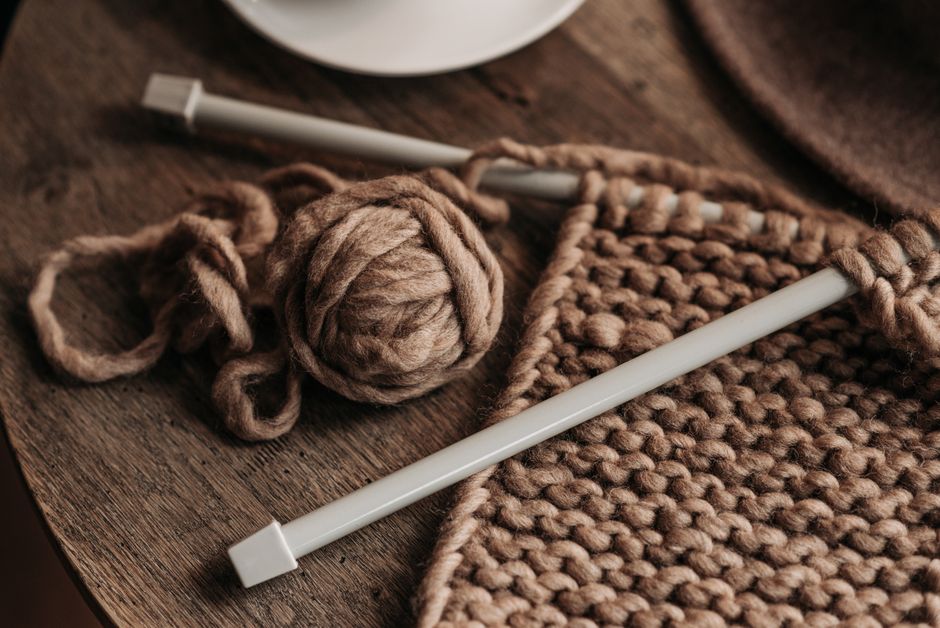
Cashmere makes sense for a specific use case: low-friction, temperature-controlled environments where softness matters more than toughness. Think date nights, office meetings, or a cozy reading chair.
But for these situations, skip cashmere entirely:
- Outdoor activities. Walking, hiking, or cycling. Merino wicks sweat and dries faster. Cashmere holds moisture and loses shape when wet.
- High-friction zones. Under a backpack, seatbelt, or guitar strap. The constant rubbing destroys cashmere in weeks. Merino holds up.
- Budget under $100. A $60 cashmere sweater is almost certainly low-grade (18+ micron, short fibers, blends). A $60 merino sweater from Uniqlo or Icebreaker is legitimate and durable.
Alternative picks:
- For active fall layering: Icebreaker Oasis 200 crew ($100) — best moisture management, machine-washable, 4-season use.
- For office warmth under $100: Uniqlo Extra Fine Merino Crew ($49.90) — solid construction, 20+ color options, easy to replace.
- For luxury feel with better durability: Naadam Essential Cashmere ($175) — 14.5 micron fibers, responsibly sourced, but expect pilling.
Cost Per Wear: Which Saves You More Money?

| Sweater | Price | Estimated Lifespan (wears) | Cost Per Wear | Maintenance Cost (3 years) |
|---|---|---|---|---|
| Everlane Cashmere Crew | $128 | 60 | $2.13 | $360 (dry clean) |
| Uniqlo Extra Fine Merino | $49.90 | 120 | $0.42 | $0 (machine wash) |
| Icebreaker Oasis 200 | $100 | 150 | $0.67 | $0 (machine wash) |
| Naadam Essential Cashmere | $175 | 70 | $2.50 | $360 (dry clean) |
Merino wool delivers 3–5x lower cost per wear than cashmere. Even the premium Icebreaker Oasis 200 costs $0.67 per wear. The Uniqlo merino is the cheapest at $0.42 per wear. Cashmere’s softness premium comes with a real price tag — not just upfront, but ongoing.
That doesn’t mean cashmere is bad. It means you should buy it knowing what you’re paying for. If you want a sweater for occasional evening wear and you’re willing to maintain it, cashmere is fine. If you want a workhorse for daily fall wear, merino is the smarter financial choice.
The wool market is shifting. More brands are offering traceable, mulesing-free merino at accessible prices. Cashmere production has environmental concerns (overgrazing in Mongolia, water use). Merino from Australia or New Zealand with ZQ certification addresses some of those issues. Your next sweater purchase can reflect that — not just on warmth, but on values.
