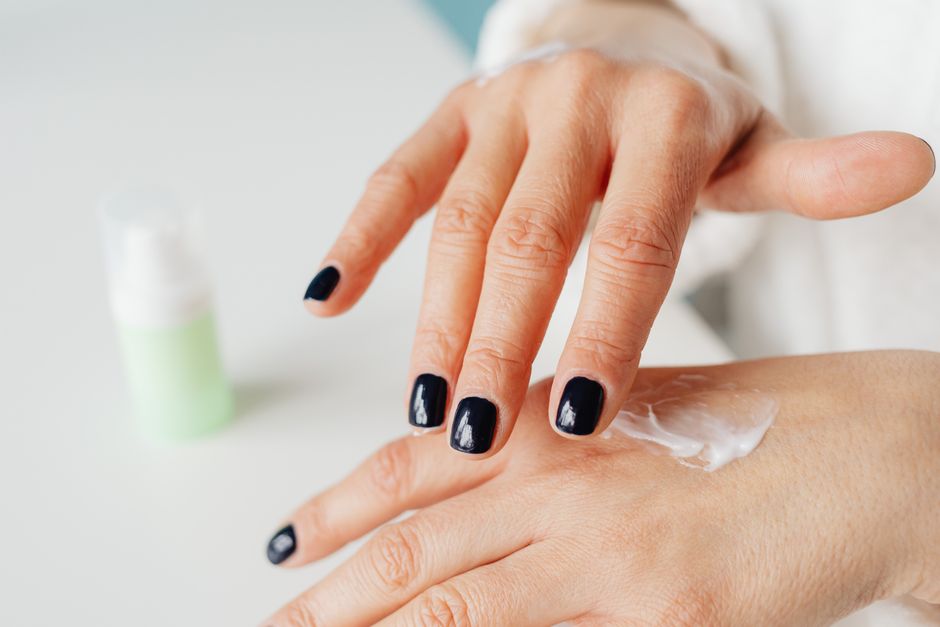
Dry winter hands can make ordinary tasks uncomfortable: pulling on a sweater, washing a mug, even bending your fingers. A quick swipe of lotion may feel pleasant, yet leave rough knuckles and tight fingertips needing more attention. Winter hand care for dry, cracked skin works best as small habits built around the things your hands do all day. Focus on gentle washing, regular moisture, and protection from water and cold, with extra care for sore or broken areas.
Notice what your hands encounter each day
Hands move between outdoor cold and indoor heating, meet soap repeatedly, and handle everything from cleaning products to rough packaging. Think about when yours feel most uncomfortable. Is it after washing dishes, during your commute, or at the end of a shift? That pattern can help you decide where a practical change will matter most.
Look beyond your knuckles. Fingertips, the spaces between fingers, and skin around your nails can all need attention. Notice whether you have simple roughness or areas that are itchy, painful, bleeding, or repeatedly splitting. Persistent or worsening symptoms deserve advice from a dermatologist or doctor rather than an increasingly complicated beauty routine.
Make necessary handwashing gentler
Keep washing your hands when hygiene requires it. Use comfortably lukewarm water and a gentle cleanser, then rinse thoroughly. Very hot water can leave already dry hands feeling more uncomfortable, while vigorous scrubbing adds unnecessary friction.
Dry with a soft towel, patting rather than rubbing. Pay attention between your fingers so those spaces do not stay wet. While the rest of your skin is still slightly damp, apply your moisturizer. Keeping it beside the sink makes this step easier to remember than leaving it in a bathroom drawer.
Follow workplace hygiene rules if your job involves food, healthcare, or other specific requirements. Where sanitizer is required or appropriate, use it as directed and let it dry before applying hand cream. If damaged skin makes essential hand hygiene difficult, ask a healthcare professional for guidance.
Choose a simple moisturizer you will use often
A hand product does not need an elaborate ingredient list or a seasonal scent. Start with a fragrance-free cream or ointment intended for dry, sensitive skin. A richer texture may feel more comfortable on very dry hands than a thin lotion. Choose something you can tolerate and will actually reapply.
Match the texture to the moment
During the day, a cream that spreads easily may fit better around typing, cooking, and getting dressed. For quiet time at home, a plain petrolatum ointment can provide a more substantial protective layer. Use enough to cover dry areas without leaving your hands so slippery that everyday tasks become awkward.
You do not need several specialist formulas. A comfortable cream and, if useful, a plain ointment can keep the routine manageable. Labels such as “natural” or “unscented” do not guarantee that a formula will suit sensitive skin. Check for fragrance and avoid ingredients you already know bother you.
Keep application thorough but gentle
- Spread moisturizer over the backs of your hands as well as your palms.
- Work a small amount around knuckles, fingertips, and nail folds without tugging at loose skin.
- Reapply after washing and whenever your hands feel dry, using a texture suited to your next task.
- Stop using a product that causes persistent stinging, burning, or a new rash.
Protect your hands during wet work
Washing dishes and cleaning surfaces can undo the comfort of freshly moisturized hands. Wear suitable waterproof household gloves for these jobs, following any safety directions on cleaning products. Put gloves on clean, dry hands and check that their interiors are dry too. A damp glove is uncomfortable against already irritated skin.
If your hands become sweaty inside household gloves, take breaks when practical and change damp liners. Soft cotton liners may make longer tasks more comfortable, provided the gloves still fit properly. Avoid wearing a pair that pinches your fingers or rubs across a sore knuckle.
Choose glove materials you tolerate. If gloves themselves seem to cause itching or a rash, stop using that pair and seek advice about suitable alternatives. Remove rings before wet or messy chores when practical, since moisture and cleanser can collect beneath them. Dry the skin before putting jewelry back on.
Put outdoor gloves within easy reach
Make warm gloves part of getting ready to leave, rather than waiting until your fingers are chilled. Look for a comfortable fit with room to bend your fingers. A scratchy seam or a tight cuff can become especially noticeable when skin is tender.
If wool irritates your skin, try a smoother lining. Change gloves that become wet, and let them dry fully between uses. A spare pair can be useful if your day involves snow, rain, or repeated trips outdoors. Apply cream before leaving, allowing it to settle before pulling your gloves on.
Give cracks a gentler routine
When skin is split, resist the urge to polish away the roughness. Skip hand scrubs, exfoliating acids, fragranced treatments, and aggressive buffing on irritated areas. Do not pull at peeling edges or cut the skin around your nails. These steps can create more soreness when your hands need less friction.
For a small, superficial crack, gently clean the area and consider a little plain petrolatum with a clean, suitable dressing to reduce rubbing. Follow the dressing instructions and replace it if wet or dirty. Deep, gaping, repeatedly bleeding, or very painful cracks need professional advice.
Seek prompt medical advice for spreading redness, increasing warmth or swelling, pus, or worsening pain. Do not assume every winter hand problem is ordinary dryness. A dermatologist or doctor can assess persistent cracking, itching, or a recurring rash and recommend care appropriate to the cause.
Build care around your actual day
In the morning, apply cream after washing and put your outdoor gloves beside your keys. During the day, keep moisturizer where handwashing happens or carry a small tube. Before chores, reach for household gloves. These simple placements can make care feel automatic instead of adding another demanding beauty ritual.
At bedtime, wash only if needed, dry gently, and apply your preferred richer moisturizer. If comfortable, clean cotton gloves can help keep it off bedding; remove them if your hands feel hot or irritated. Keep broken areas cared for according to any professional advice you have received.
Adjust the routine to comfort rather than chasing perfectly smooth hands overnight. If consistent gentle care is not helping, or your hands keep splitting as soon as they improve, arrange an assessment. Aim for a manageable daily routine that lets you wash, dress, work, and enjoy winter with more comfortable hands.
