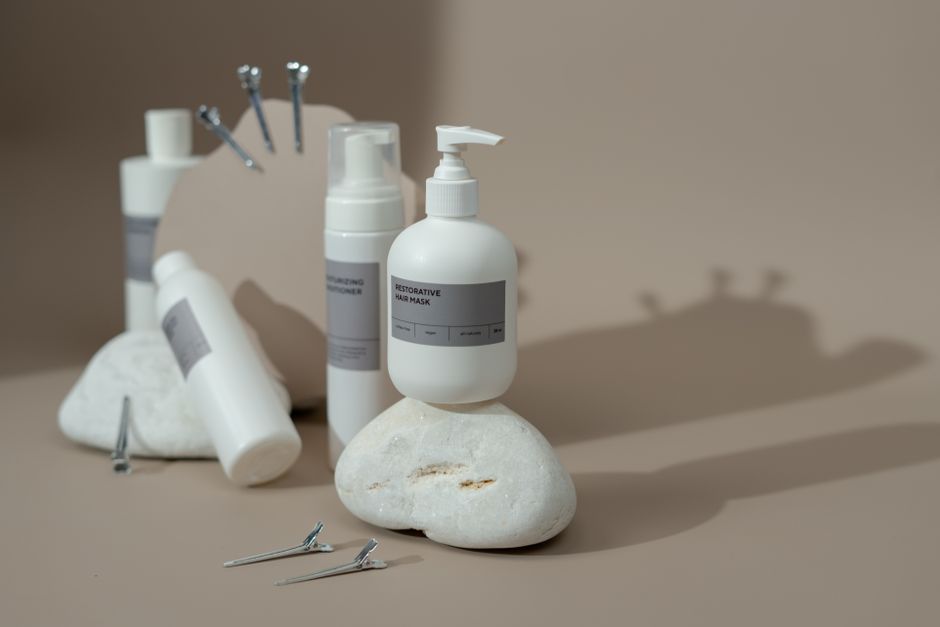
Late Summer Hair Repair for Dry Ends begins with noticing what your hair needs after a season of frequent washing, swimming, and styling. Your roots might feel comfortable while the last few inches catch on clothes or tangle as soon as you step out of the shower. Focus your attention there. A practical reset means gentler handling, enough conditioning, and an honest look at which tips need trimming. You can make your ends easier to manage without building a complicated treatment routine.
Separate dryness from visible damage
Take a small section of clean hair and examine the tips in good light. Dry-feeling ends may look dull or feel coarse without obvious splitting. More worn ends may show forks, fraying, or short pieces that break during ordinary handling. You can have both at once, especially on lengths that have been repeatedly lightened or styled with heat.
Notice how your ends respond to your usual wash. If conditioner makes them easier to separate but styling leaves them rough again, your handling habits deserve attention. If the lengths feel waxy, heavy, or coated, adding another rich formula might make them less manageable. Use these clues to decide what to adjust first.
Conditioner can improve softness and slip, but it cannot permanently put a split end back together. Smoothing products may temporarily disguise fraying. A trim removes it. Keeping that difference clear helps you set useful goals: fewer knots, easier combing, and less pulling during your normal routine.
Clean your scalp and handle the lengths gently
Wash according to your scalp’s needs rather than stretching the time between washes simply because your ends feel dry. Concentrate shampoo at the scalp, then let the lather rinse through the lengths. Avoid bunching the ends on top of your head and scrubbing them together, which creates extra tangles to undo afterward.
If styling residue has left your hair coated, an occasional clarifying wash may help remove buildup. Follow the cleanser’s instructions and consider whether it suits colored hair if that applies to you. Stronger cleansing is not an automatic remedy for roughness. Repeatedly stripping the lengths can leave them harder to handle.
Make your regular conditioner count
Gently squeeze excess water from your hair before applying conditioner. Spread it through the midlengths and ends, paying attention to the underside and back sections that are easy to miss. Follow the label for how long to leave it on and how thoroughly to rinse. More time does not automatically mean a better result.
Adjust coverage before buying something new. Fine hair may feel better with a small amount concentrated at the tips. Dense or tightly curled hair may need smaller sections so the conditioner reaches every area. Judge the result after drying: your ends should feel easier to handle without becoming sticky, limp, or heavily coated.
Untangle with less tension
Start with a small section and support it above the tangle. Loosen the bottom first, then gradually work upward. Pulling straight from the roots through a knot places repeated strain on the tips. When you meet resistance, stop and separate the knot gently with your fingers instead of dragging through it.
Choose the timing that works for your texture. Curly and coily hair is often easier to detangle with conditioner providing slip. Other textures may be easier to handle after some water has been removed. Whatever your preference, use light pressure and stop once the knots are gone. Extra brushing is not a treatment for rough ends.
- Blot or squeeze with a soft towel instead of rubbing the lengths.
- Keep tightly twisted towel wraps away from fragile tips.
- Loosen knots before gathering hair into a ponytail or bun.
- Release any section that feels stretched or uncomfortable while you detangle.
Keep leave-in care targeted
A leave-in conditioner can help the ends stay manageable between washes. Apply it according to its directions, starting with a small amount where the hair catches most easily. Give it time to spread and settle before adding more. Keeping the application below your roots may help if your scalp becomes oily quickly.
A little finishing serum or hair oil can add slip and smooth the appearance of rough tips. It does not replace conditioner or remove split ends. Start sparingly, particularly with fine hair. If the ends become stringy, sticky, or difficult to refresh, reduce the amount at the next wash rather than covering them with another layer.
Change one thing at a time
Keep your basic wash routine steady while you adjust either conditioner coverage or your leave-in amount. That makes the result easier to interpret. Avoid homemade acidic rinses and undiluted essential oils, which can cause irritation or leave unpredictable results. Stop using any product that causes burning, itching, or a rash.
Reduce the styling wear on your tips
Give dry ends a break from repeated passes with hot tools. When you do use heat, follow the tool’s directions, choose the lowest effective setting, and use a heat protectant as instructed. Straighteners and curling irons intended for dry hair should only be used once hair is fully dry. Heat protection does not make repeated high heat harmless.
Choose comfortable styles that keep the tips contained without pulling them tight. A loose braid or softly secured twist can limit tangling while you go about your day. Avoid folding fragile ends sharply beneath a tight elastic. Remove fasteners carefully instead of sliding them forcefully down the entire length.
At bedtime, check whether your hair gets trapped beneath your shoulders or tangled in clothing. Loosely gathering longer lengths may help, provided the style puts no tension on your scalp. If a style feels uncomfortable, loosen it. A protective habit should make your hair easier to handle the next morning.
Recognize when a trim will help most
If the same bottom section keeps snagging immediately after conditioning, look again for splits and fraying. Ask a stylist to show you where the worn ends begin and discuss how much length you feel comfortable removing. There is no universal trimming schedule for every texture, haircut, and styling routine.
After making your changes, watch for easier detangling and less catching on clothes over the next several washes. Seek advice from a dermatologist or doctor for persistent scalp irritation, unusual shedding, or ongoing unexplained breakage. For everyday seasonal wear, a manageable routine and a well-considered trim give you a practical way forward.
