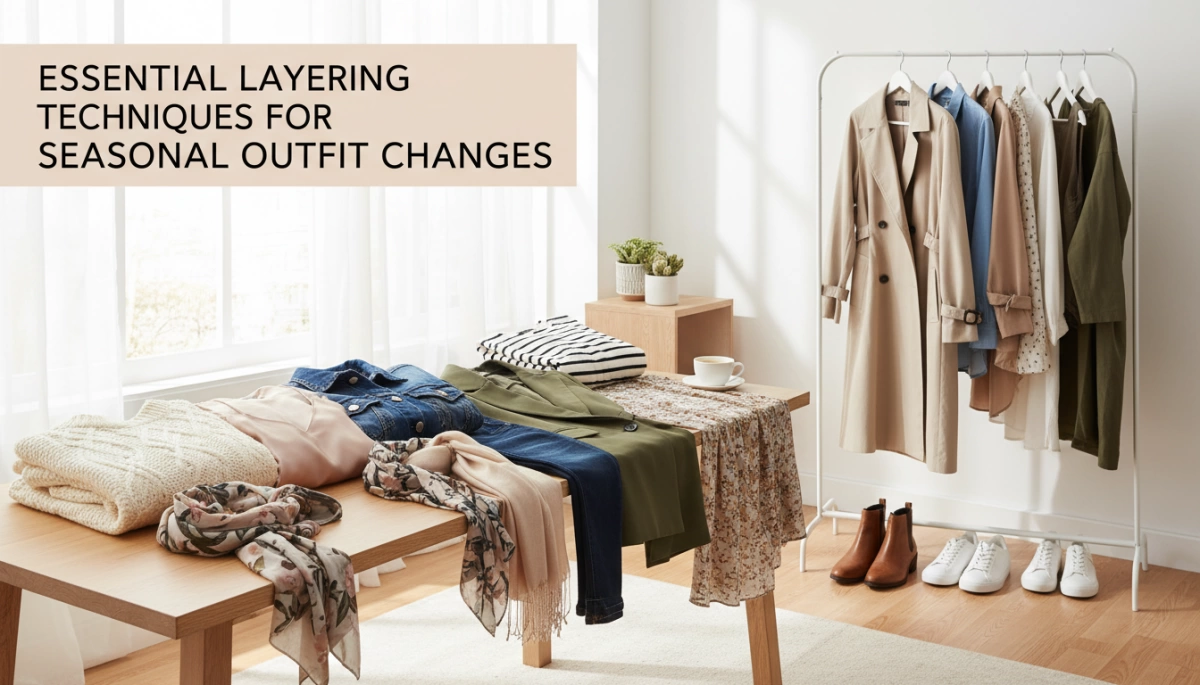
Seasonal outfit changes can feel like a wardrobe headache—one day it’s warm, the next it’s chilly, and you’re left wondering how to dress without overhauling your closet every time. That’s where essential layering techniques for seasonal outfit changes come in. Mastering transitional wardrobe layering means you stay comfortable, look polished, and get more mileage from your pieces across fluctuating weather. Whether you’re navigating the tricky shift from summer to fall or gearing up for spring’s unpredictability, this guide will equip you with practical, style-smart layering tips that work for every season. Ready to transform your closet into a versatile powerhouse? Let’s get started.
Understanding the Fundamentals of Layering
When it comes to mastering seasonal outfit transitions, the key is understanding the three-layer system. This essential layering technique breaks your outfit down into:
- Base layer: This is all about moisture-wicking and comfort. Think lightweight, breathable fabrics like cotton or merino wool that keep sweat away from your skin.
- Mid layer: The insulation layer. This provides warmth through materials like fleece, wool, or down—trapping body heat without adding too much bulk.
- Outer layer: Your protection and style shield. This includes weather-resistant coats, jackets, and shells that guard against wind, rain, and cold while adding shape and polish.
Why choose layering over single heavy pieces? Layering lets you adjust to temperature swings easily—perfect for transitional wardrobe layering. Instead of committing to one bulky coat, you can add or shed layers for comfort throughout the day. This flexibility makes handling unexpected weather or moving between indoor and outdoor spaces much smoother.
Here are some key rules to follow for flawless layering:
- Layer from lightest to heaviest fabrics, starting with thin, moisture-wicking bases and building up to heavier outerwear.
- Balance proportions: avoid all bulky layers or extremely tight fits stacked together. Mix fitted and loose pieces to maintain a flattering silhouette.
- Mix textures to add depth and interest—combine silk with knitwear or leather for a stylish, textured look.
Watch out for common layering mistakes:
- Overdoing it with bulky layers that restrict movement.
- Clashing patterns that create visual chaos instead of harmony.
- Overheating by wearing too many warm layers when the temperature rises.
Mastering these fundamentals sets a solid foundation for all your fashion layering techniques, making seasonal outfit changes seamless and stylish.
Tailoring Layering by Season: Winter Layering Essentials
When it comes to winter layering, the goal is clear: prioritize warmth without sacrificing style. Start with a thermal base layer that wicks moisture and keeps you cozy. Next, add fleece or wool mid-layers for insulation, and top it off with an insulated outerwear piece to protect against wind and snow.
To nail the look and functionality, try layering a turtleneck under a chunky sweater and then a tailored coat. For added warmth, wear tights beneath dresses or pants—an easy way to stay comfortable during cold commutes.
Here are some winter layering outfit examples that work well for various occasions:
- Office-ready: thermal turtleneck + wool sweater + tailored insulated coat paired with dress pants and ankle boots.
- Casual weekend: fleece pullover + quilted vest + casual parka with jeans and sneakers.
- Evening out: sleek turtleneck + fitted blazer + long wool coat combined with a skirt, tights, and heeled boots.
Tailoring Layering by Season: Spring Layering for Smooth Transitions
Spring’s unpredictable weather calls for light, removable layers that can handle sudden temperature shifts. When building your spring wardrobe layering, opt for breathable fabrics that offer comfort without bulk.
Effective spring layering techniques:
- Wear a crisp button-up shirt beneath a lightweight cardigan topped with a classic trench coat for versatile warmth.
- Try a sleeveless top or blouse under a structured blazer for polished, adjustable coverage.
Styling tips to enhance seasonal outfit transitions:
- Incorporate soft pastels to evoke freshness and align with spring’s mood.
- Mix airy fabrics like cotton or linen with more structured pieces such as tailored blazers or trench coats to add depth and balance to your look.
This approach to layering for changing weather in spring ensures you stay comfortable and stylish all day long, whether morning starts chilly or afternoon warms up.
Tailoring Layering by Season: Summer Layering
Summer layering is all about keeping it minimal but strategic. Since the key challenge is managing hotter days with cooler evenings or air-conditioned spaces, focus on breathable, lightweight pieces that add comfort without bulk.
Key techniques include:
- Wearing a tank top under a sheer blouse for a breathable yet put-together look.
- Throwing a kimono or light jacket over a dress to add style and warmth when needed without overheating.
These simple layering moves help create effortless day-to-night looks that adapt to temperature swings easily, perfect for those transitional summer evenings.
Fall Layering for Seasonal Outfit Transitions
Fall layering is all about smoothly transitioning your wardrobe from the lightness of summer to the cozy, rich textures of cooler months. Start by building on your summer staples like tees and dresses, then add key warmer pieces like knits, denim, and scarves to create versatile looks for changing weather.
Key Techniques:
- Layer a tee under a flannel shirt and finish with a leather jacket for a classic, balanced fall outfit that’s warm but not bulky.
- Wear a maxi dress paired with boots and a cardigan to blend summer comfort with autumn warmth effortlessly.
Styling Tips for Fall:
- Transition your color palette from bright summer hues to neutrals and earth tones—think rust, olive, mustard, and deep browns. This not only grounds your look seasonally but also adds depth and versatility.
- Mixing textures like soft cotton tees, cozy knits, and rugged leather creates an interesting, tactile layered outfit that’s both functional and stylish.
These fall layering tips ensure you adapt to temperature swings without sacrificing style or comfort. For more ideas on navigating seasonal transitions smoothly, exploring guides like the one on how to transition your wardrobe from winter to spring can offer useful insights that are adaptable for fall too.
Advanced Layering Techniques for Style Elevation
To truly master seasonal outfit transitions, it’s essential to go beyond basics and explore advanced layering techniques that elevate your style.
Mix Textures: Combining different fabrics adds depth and interest. Think soft silk paired with cozy knitwear and edgy leather. This contrast creates a balanced, tactile look that feels dynamic without being bulky.
Play with Proportions: Layering isn’t just about warmth; it’s a chance to experiment with shapes. Try a long cardigan over a fitted top or an oversized jacket over slim trousers. This mix keeps outfits fresh and flattering, adding both comfort and style.
Pattern and Color Coordination: Keep it cohesive with monochromatic layering or spice things up using complementary colors. Unexpected pops, like a bright scarf or patterned belt, can act as statement pieces within your layered outfit. Balance is key—don’t overload with clashing prints.
Accessorize as Final Layers: Scarves, belts, hats, and jewelry aren’t just add-ons—they’re the finishing touches that tie your look together. Use accessories to add personality and adapt your outfit for different occasions or moods.
Gender-Neutral and Inclusive Adaptations: Layering is versatile and can suit every style identity. Focus on shapes, colors, and textures that work for you, regardless of gender expectations, to create inclusive looks that feel authentic and comfortable.
For inspiration on versatile outerwear perfect for layering, check out these multi-occasion styling ideas for women’s trench coats, a garment that works year-round for seasonal changes.
By embracing these advanced layering techniques, you’ll enhance your wardrobe’s flexibility and style, making seasonal outfit changes effortless and fashionable.
Essential Wardrobe Pieces for Year-Round Layering
Building a versatile wardrobe with key layering pieces makes seasonal outfit transitions a breeze. Focus on essentials like a crisp white button-up, a neutral cardigan, a classic denim jacket, a lightweight trench, a cozy turtleneck, and a stylish scarf. These items offer flexibility and can be mixed and matched to fit any weather, making them perfect for a transitional capsule wardrobe of about 10-12 pieces.
When selecting your capsule, prioritize fabrics that layer well without adding bulk and colors that easily blend or contrast tastefully. For example, a lightweight trench is not only great for fall and spring but also adds instant polish to any outfit — check out these versatile trench coat outfits for fall and winter for style inspiration.
Budget-wise, balance investment pieces with more affordable basics. Splurge on timeless items like a quality denim jacket or cashmere turtleneck that will last for years. Supplement with budget-friendly cardigans and scarves to refresh your look seasonally. This mix ensures you’re ready for layering through every seasonal outfit change without overspending.
By curating these versatile layering pieces, you create a functional, stylish, and easy-to-manage wardrobe that suits all transitional weather conditions.
Real-World Outfit Formulas and Examples for Seasonal Layering
Mastering transitional wardrobe layering becomes easy with go-to outfit formulas that work across seasons and occasions. Here are 5 versatile looks that cover summer-to-fall, fall-to-winter, and winter-to-spring transitions, with tips for day-to-night wear and styling for different body types.
1. Summer-to-Fall: Light Layers with Earth Tones
- Base: Sleeveless top or tee
- Mid-layer: Lightweight cardigan or denim jacket
- Outer: Leather jacket or trench coat
- Bottoms: Midi skirt or skinny jeans
- Shoes: Ankle boots or loafers
Perfect for layering for changing temperatures, this look mixes breathable fabrics with warmer textures. Switching the cardigan for a chunky knit adds warmth for cooler evenings.
2. Fall-to-Winter: Cozy Layers with Texture Play
- Base: Thermal or turtleneck
- Mid-layer: Wool sweater or fleece
- Outer: Insulated coat or parka
- Bottoms: Wool trousers or lined leggings
- Shoes: Waterproof boots
Layering like tee under flannel under leather jacket is great for fall, while swapping in an insulated coat signals winter readiness. Use scarves and hats as stylish “final layers.”
3. Winter-to-Spring: Shedding Bulk Smartly
- Base: Moisture-wicking long sleeve
- Mid-layer: Light sweater or pullover
- Outer: Lightweight trench or blazer
- Bottoms: Cropped jeans or skirts with tights
- Shoes: Flats, loafers, or ankle boots
Styling transitions from heavy winter to lighter spring by replacing thick layers with breathable fabrics without losing warmth. Incorporate pastels and softer colors to freshen the look.
4. Day-to-Night Variations
- Swap casual sneakers for heels or dress boots.
- Add a statement blazer or tailored coat over casual layers.
- Accessorize with bold jewelry or sleek belts to elevate.
This approach fits workdays turning into evenings out, keeping layering stylish and functional.
5. Styling for Different Body Types and Occasions
- Curvy: Emphasize waist with belted layers, avoid excessive bulk.
- Petite: Keep layers fitted, use proportion tricks like cropped tops over high-waisted pants.
- Tall: Play with oversized pieces balanced with slim layers underneath.
- For work, stick to clean lines and neutral colors; for casual or date, experiment with patterns and textured layering to add interest.
By following these practical formulas, anyone can create seamless seasonal outfit transitions while balancing comfort, style, and weather needs. For inspiration on refined layered looks that pair well with different seasons and occasions, check out the refined styling tips in this wearing and feeling Parisian guide.
Practical Tips for Mastering Seasonal Changes
Mastering seasonal outfit transitions means more than just knowing what to wear — it’s about caring for your layers and adapting smoothly to weather shifts.
How to store and rotate layers seasonally:
- Declutter before storing: Wash and dry your base, mid, and outer layers thoroughly to keep fabrics fresh.
- Use breathable storage like fabric garment bags or boxes with ventilation to avoid moisture buildup on wool, knits, and delicate items.
- Rotate your capsule wardrobe by keeping out only the current season’s essentials and tucking away heavier knits or lightweight summer pieces accordingly. This helps keep your closet organized and ready for quick outfit assembly.
Care instructions for layered fabrics:
- Always check care labels for pieces like wool, fleece, and technical fabrics.
- Hand wash or use gentle cycles for delicate layers, and avoid heat in the dryer to maintain shape and moisture-wicking properties.
- Store scarves, hats, and other accessories properly to prevent damage and keep your finishing layers looking fresh and stylish.
Quick fixes for temperature swings:
- Pack lightweight, packable layers such as foldable down vests, thin cardigans, or versatile scarves to easily add or remove warmth on the go.
- Opt for breathable base layers to regulate your body’s moisture and prevent overheating during unpredictable weather.
Sustainability angle: repurposing existing wardrobe:
- Instead of buying new every season, get creative with what you already own. For example, use summer dresses as layering pieces under knits or jackets in fall and winter.
- Mix and match pieces across your capsule wardrobe to create new looks without expanding your closet.
- Repair or upcycle worn layers to extend their life, making your seasonal outfit transitions both stylish and eco-friendly.
