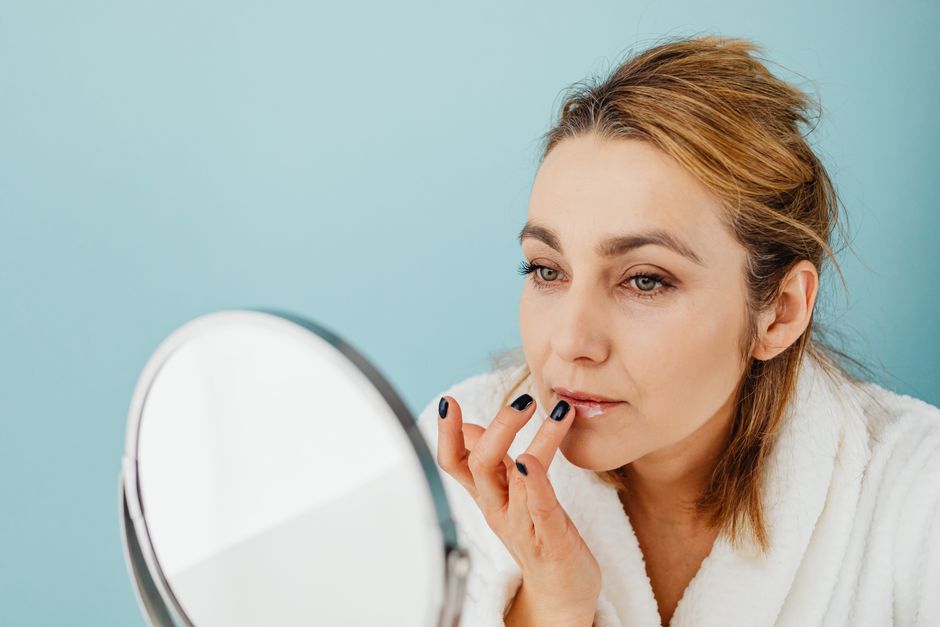
You know the feeling: you wake up on a cold morning, smile, and feel a sharp pull across your lower lip. The skin looks flaky, the corners feel tight, and licking your lips only gives you a few seconds of relief before the dryness returns. A good winter lip care routine should stop that cycle before it becomes painful.
Why winter air makes lips crack so quickly
Cold wind removes comfort from the skin barrier
Lips struggle in winter because they have a thinner protective barrier than most facial skin. The lip surface has less oil-producing tissue, so it cannot replace lost moisture as easily. Cold air pulls water from the surface, while wind increases evaporation. Indoor heating adds another problem by lowering the humidity around your face for hours at a time.
That combination leaves the outer layer rough and fragile. Tiny cracks form first. Then normal movements such as talking, eating, or opening your mouth stretch those cracks. The pain does not mean you need a more aggressive treatment. It usually means the barrier needs less exposure and more protection.
Licking your lips creates a short relief cycle
Saliva feels soothing when lips feel tight, but it dries quickly and leaves behind digestive enzymes and salts. Repeated licking can strip the surface further. Biting loose flakes has a similar effect because it removes skin that has not finished repairing.
Drink normally, breathe through your nose when possible, and notice habits that keep the lips wet and then exposed to cold air. If the corners keep cracking, the problem may also involve saliva collecting there during sleep, mouth breathing, or irritation from toothpaste. A routine cannot work well if the same trigger continues all day.
How to build a morning lip care routine
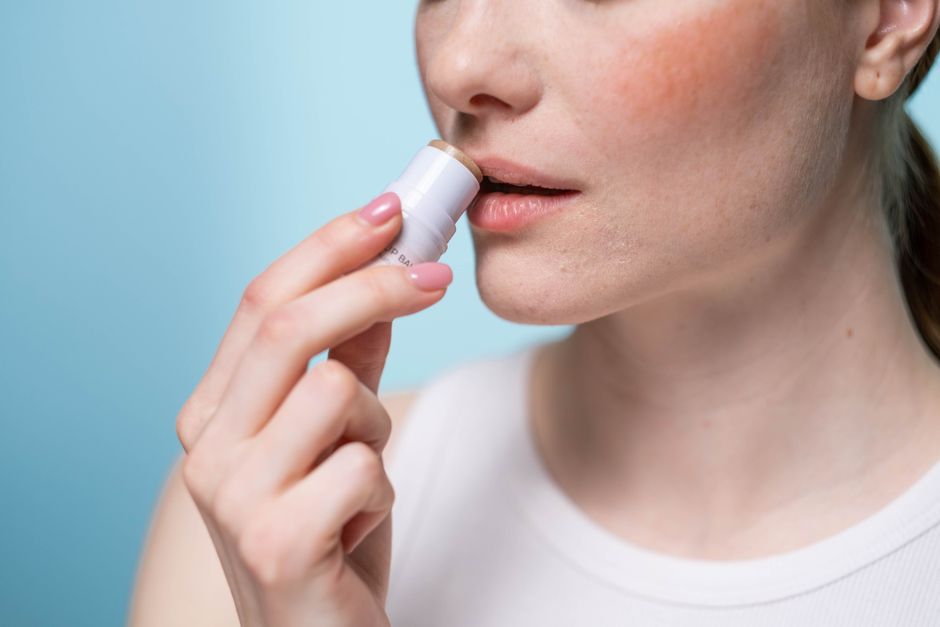
Use a gentle first step
Start by rinsing the lips with lukewarm water or wiping them gently with a soft, damp cloth. Do not scrub away every flake. Peeling skin can be attached to healing tissue underneath, and pulling it off creates a fresh opening that stings later.
Pat the area dry instead of rubbing. If the lips feel comfortable after rinsing, leave them alone for a moment. If they feel tight, apply a plain moisturizing layer while the surface still has a little water on it. This helps hold that water close to the skin instead of letting it disappear into dry room air.
Seal the surface before leaving home
The final morning step should create a flexible shield. Choose a fragrance-free, non-irritating balm or ointment with a texture that stays in place. Ingredients that soften the surface can make dry flakes feel smoother, but the protective layer matters most when the air is cold and windy.
- Rinse gently and pat dry.
- Apply a thin moisturizing layer if the lips feel tight.
- Wait a few seconds so the layer settles.
- Add a more protective coating over the top.
- Cover the lower face with a scarf or high collar in strong wind.
Do not use tingling, cooling, or strongly flavored treatments as a test of effectiveness. A burning sensation often signals irritation rather than repair. The best morning routine feels boring: the lips should feel flexible, calm, and protected when you step outside.
What to do during the day when lips feel dry
A simple winter schedule
| When | Action | Purpose |
|---|---|---|
| After waking | Apply a protective layer after gentle rinsing | Reduce moisture loss before the day begins |
| Before going outside | Reapply and cover the lips from wind | Limit cold-air exposure |
| After eating | Rinse residue and reapply a thin layer | Remove salt, spice, and acidic food residue |
| Every 3 to 4 hours | Check for tightness and reapply if needed | Keep the protective film continuous |
| Before sleep | Apply a generous final layer | Support overnight recovery |
This schedule is a starting point, not a demand to watch the clock. Reapply after eating, drinking, wiping your mouth, or spending time outdoors. If the lips still feel comfortable, there is no need to keep adding layers.
Handle food, drinks, and friction
Salt, citrus, chili, and very hot drinks can sting cracked skin. You do not have to remove them from your diet, but wipe the lip area gently afterward and replace the protective layer. Use a clean glass or bottle edge rather than dragging your lips across rough surfaces. Winter dryness becomes harder to settle when the same small abrasion happens several times a day.
Keep the routine close to where the problem happens. A small container near the door helps with outdoor exposure, and another near the bed covers the night step. The clear winner for daytime care is consistency, not a thicker and thicker coating. A thin layer renewed at the right moments works better than one heavy application that disappears after the first meal.
Why the night routine matters most
Repair the barrier while the lips stay undisturbed
Night is the easiest time to protect chapped lips because there is less talking, eating, drinking, and exposure to wind. Clean the area gently, then apply a richer layer than you would use during the day. The goal is not to force moisture into the skin. The goal is to slow water loss long enough for the surface to become flexible again.
Use enough to leave a visible but comfortable coating. If the product disappears within minutes, the layer may be too thin or the lips may be extremely dry. If it feels sticky enough to make you wipe it away, use less. The right amount stays in place without making you think about it while you sleep.
Check the bedroom and your sleeping habits
A dry room can undo careful evening care. Indoor heating, low humidity, and mouth breathing all increase water loss during the night. A clean humidifier may help if the room is consistently dry, but it needs regular cleaning and fresh water. A dirty device can add unwanted particles to the air.
Notice clues in the morning. A dry mouth, sore throat, or lips that feel worse after sleeping may point to mouth breathing or nasal congestion. Treating the reason for the breathing pattern can help more than applying another layer. Also check pillow friction if one side of the lips repeatedly cracks.
Do not exfoliate at night just because flakes are visible. A soft toothbrush, sugar scrub, or rough towel can create tiny tears. Let the protective layer soften loose skin naturally, then allow it to shed during normal washing. Overnight protection beats overnight scrubbing for nearly every case of ordinary winter dryness.
Common mistakes that keep chapped lips from healing

Question: Should you peel or scrub the flakes?
No. Remove only skin that has already come away with gentle rinsing. Pulling at flakes often exposes tender tissue and restarts the healing process. Scrubs also add friction without fixing the dry air, licking, or wind that caused the problem.
Question: Why does a balm seem to make dryness worse?
Some formulas contain flavoring, fragrance, cooling agents, or ingredients that create a tingling sensation. Those ingredients can irritate already damaged skin. If a lip treatment stings, burns, or makes the lips red, stop using it for several days and switch to a bland, fragrance-free option.
Other mistakes are less obvious:
- Applying a treatment only once in the morning, then ignoring the lips after meals.
- Using a wet cloth repeatedly instead of protecting the surface afterward.
- Breathing through the mouth all night without addressing congestion or room dryness.
- Sharing lip products during a flare, which can spread irritation or infection.
- Using a strong active intended for facial skin on cracked lip tissue.
- Assuming every split corner is ordinary dryness.
If redness spreads beyond the lips, swelling develops, blisters appear, or cracks at the corners keep returning, stop experimenting. A rash, infection, allergy, or nutritional issue may need professional assessment.
The clearest winter lip care verdict
For ordinary dryness, keep the routine small
Use gentle cleansing, a light moisturizing layer when needed, and a protective coating morning, after exposure, and before sleep. Cover the lips from wind, avoid licking and picking, and give the routine several days of steady use before judging it.
Change the plan when the problem changes
First remove the likely trigger and protect the barrier. If the skin burns after application, choose fewer ingredients. If the corners split repeatedly, look at saliva, mouth breathing, and possible irritation around the mouth.
The best winter routine is the one you can repeat without thinking: protect before going outside, replace the layer after it is wiped away, and seal the lips before bed. That is enough for most weather-related dryness. The sharp pull that greeted you on the cold morning should fade into a comfortable, flexible smile once the barrier has time to settle.
