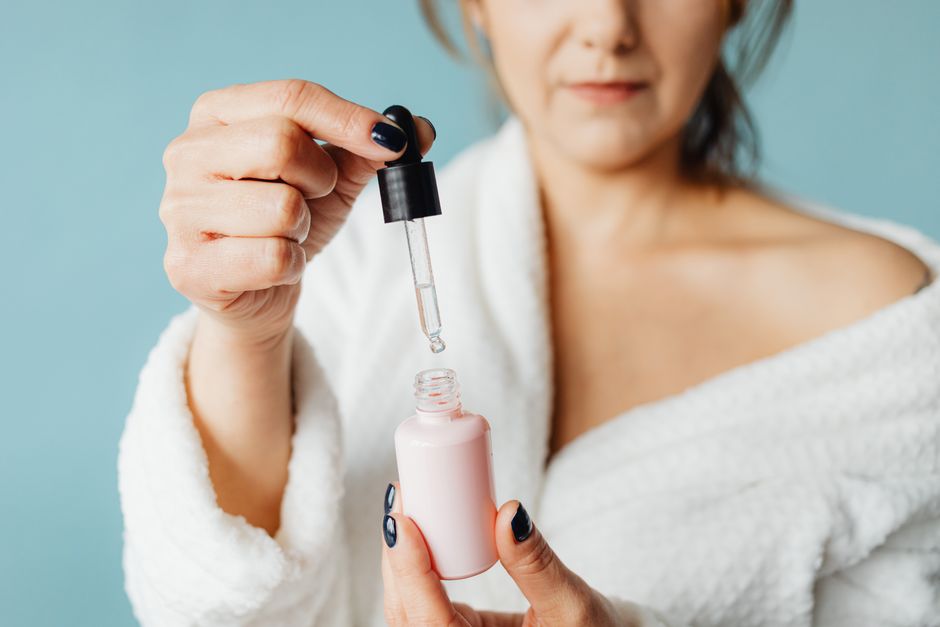
Chemical exfoliants can sound intimidating when you first encounter them on a skincare label. Acids, peel pads, and resurfacing liquids promise a smoother feel, but knowing where to start matters more than collecting ingredients. A beginner’s guide to chemical exfoliants should help you understand the labels, choose one manageable option, and recognize when your skin needs a break. You do not need an elaborate routine or a strong sensation to make an informed choice.
What chemical exfoliation means
Your skin naturally sheds dead surface cells. Chemical exfoliants help loosen the connections between those cells so they can shed more easily. Unlike a scrub, they do not rely on gritty particles or repeated rubbing. They appear in cleansers, liquids, pads, creams, and masks, with instructions that vary considerably between formulas.
Exfoliation is optional. If your skin feels comfortable and you like your current routine, there is no requirement to add it. A rough feeling or dull appearance can also reflect dryness or irritation, which more exfoliation may aggravate. Before trying an acid, make sure gentle cleansing and regular moisturizing are comfortable habits.
Understand the ingredient families
Alpha hydroxy acids: AHAs
Glycolic acid, lactic acid, and mandelic acid are common examples of AHAs. You will often see them in products intended for surface texture and a smoother appearance. Their names alone do not tell you how a product will feel: concentration, acidity, other ingredients, and time left on the skin all influence the experience.
Do not assume an ingredient described as gentle will suit everyone. A mild-sounding acid in a complicated formula may still irritate your skin. Think of the ingredient family as a way to understand the label, rather than a guarantee of comfort or results.
Beta hydroxy acid: BHA
On skincare labels, BHA usually refers to salicylic acid. It is oil soluble and commonly appears in products aimed at oily areas and clogged-looking pores. That does not mean every person with oily skin needs it, or that you should apply it repeatedly to every bump. Persistent breakouts deserve advice from a dermatologist rather than increasingly frequent exfoliation.
Polyhydroxy acids: PHAs
Gluconolactone and lactobionic acid are examples of PHAs. Products containing them are often presented as gentler exfoliating options. They can still cause irritation, and a sensitive-skin label cannot predict your individual response. Whichever family interests you, start with one clearly labeled formula instead of combining several acids yourself.
Choose a product you can use correctly
For a first purchase, prioritize clear directions over dramatic promises. Look for a product intended for ordinary home use, with readable instructions explaining where to apply it, whether to rinse, and how often to use it. Avoid professional-strength peels and products that require you to improvise application times or neutralizing steps.
- A rinse-off cleanser has a shorter contact time, but still needs to be used as directed.
- A leave-on liquid or cream stays on the skin, so applying extra layers does not make it a better choice.
- A pad delivers a formula while adding friction; use a light hand rather than scrubbing.
- A timed mask or peel requires careful attention to removal instructions and is not automatically beginner friendly.
Avoid judging strength by the number on the front alone. Two products with the same stated acid concentration can behave differently. Fragrance, other exfoliating ingredients, and the overall formulation also matter. Choose something straightforward that fits your habits, and resist buying a complete exfoliating collection at once.
Check whether now is a good time
Wait if your skin is sunburned, cracked, sore, peeling, or already stinging when you apply your usual moisturizer. Avoid exfoliating over cuts or freshly irritated areas. Exfoliation is also a poor way to remove flakes caused by an uncomfortable routine; first give your skin a chance to settle.
If you have eczema, rosacea, recurring sensitivity, or a history of dark marks following irritation, ask a dermatologist whether exfoliation is appropriate. If you use prescription skincare or have recently had a cosmetic procedure, check with your treating clinician before adding an acid. During pregnancy or breastfeeding, ask your clinician about the specific product you want to use.
Introduce one exfoliant slowly
Try a small area first
Follow any testing instructions supplied with the product. Begin on a small area rather than covering your whole face immediately, and observe how it feels during use and afterward. A comfortable small-area trial cannot guarantee that irritation will never develop, but it can help you avoid making your first application unnecessarily extensive.
Keep the first applications simple
- Choose a time when your skin feels calm and you can follow the directions without rushing.
- Cleanse gently, then follow the instructions about applying to dry or damp skin.
- Use the directed amount, avoiding eyelids, lips, nostril creases, and any areas the label excludes.
- Rinse if instructed, then use a familiar moisturizer according to the product directions.
- Leave several days to observe your skin before considering another application.
For a beginner, an occasional application is a more manageable starting point than immediate daily use. Never exceed the label’s frequency, and use it less often if needed. There is no universal schedule to reach. Keeping a brief note of when you apply it can help you connect delayed dryness or tenderness with your routine.
Make room in your existing routine
Check what you already own before adding anything. An exfoliating cleanser, acid toner, and peel mask all contribute to exfoliation, even when their packaging describes different benefits. Initially, use only one exfoliating product and leave out scrubs, cleansing brushes, and vigorous washcloth rubbing.
Retinol, prescription retinoids, and benzoyl peroxide can already make skin feel dry or sensitive. If these are part of your routine, ask a dermatologist or pharmacist how an exfoliant might fit. Simply separating products into morning and evening does not guarantee the overall routine will be comfortable.
Sun protection matters too. AHAs can increase sensitivity to sunlight during use and for a period after stopping. Follow the label’s sun precautions, use broad-spectrum sunscreen as directed, and include shade and protective clothing. Applying an acid at night does not remove the need for daytime protection.
Know when to pause
Burning is not a sign that you need to persevere. If a product burns or causes significant discomfort, stop using it and rinse it off. Do not extend a timed application to chase a stronger effect. Persistent redness, tenderness, unusual tightness, flaking, or stinging from familiar products are also reasons to pause exfoliation.
Return to gentle cleansing, a familiar moisturizer, and sun protection while your skin settles. Avoid trying another acid immediately or treating new irritation as a necessary adjustment. See a dermatologist or doctor for persistent problems, worsening breakouts, or a reaction that does not settle; seek prompt medical attention for severe pain, swelling, or blistering.
Evaluate the habit by comfort as well as appearance. Skin does not need to look poreless, feel squeaky, or visibly peel. If occasional exfoliation fits comfortably into your routine, you can keep it occasional. If it repeatedly leaves your skin unhappy, stepping away is a sensible choice. The useful routine is the one your skin can tolerate and you can follow with confidence.
