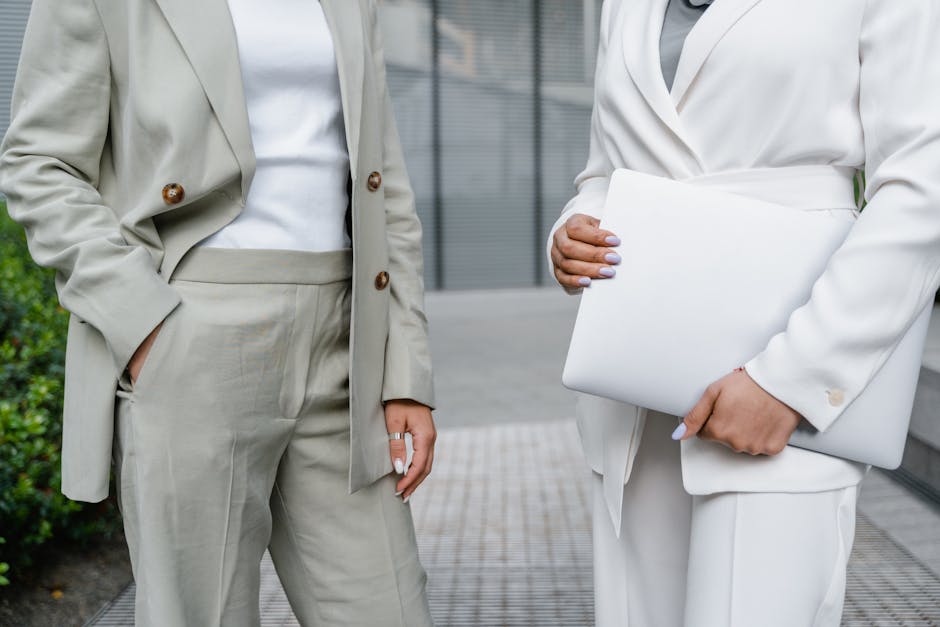
After years of trying to nail the professional presence online, I’ve learned what actually works for “best work outfit Instagrams” and what’s just noise. Forget the “influencer formula”; my approach is about genuine style that translates from your closet to a compelling feed. I’ve made all the mistakes, so you don’t have to.
Why “Business Casual” Is a Trap for Your Feed
I’m going to be direct: most “business casual” advice you see online translates terribly to Instagram. It often looks bland, uninspired, and frankly, forgettable. You end up with a sea of beige cardigans and ill-fitting trousers that do nothing for your personal brand or your aesthetic. My take? You need to push past the generic. Your feed should reflect sophistication and a distinct point of view, not just conformity.
When I started, I thought “safe” was the way to go. Wrong. Safe means you blend in. For a platform like Instagram, which is inherently visual, blending in is the kiss of death. Instead, focus on **texture, tailoring, and subtle details**. A crisp white shirt isn’t just a white shirt; it’s a specific cut from Everlane, maybe with a unique cuff or collar from Aritzia. Those small differences are what catch the eye. I gravitate towards brands that understand this — places like COS for their architectural shapes, or Vince for their elevated basics in luxurious fabrics. You want pieces that have an inherent “cool factor” even if they’re technically simple. Think an oversized blazer in a rich wool blend rather than a stiff, boxy poly-blend. The difference in how it drapes and photographs is monumental. It communicates intentionality.
What to Avoid: The Blending-In Blunders
Stay away from anything that looks like it came from a “workwear capsule wardrobe” starter pack. This means shapeless jersey dresses, generic knit tops in neutral colors without any design interest, and anything that wrinkles if you so much as look at it wrong. Polished looks require pieces that hold their shape and structure. I’ve seen too many otherwise good outfits ruined by cheap fabrics that photograph poorly. If it looks flimsy in person, it will look worse on camera. And please, no chunky “comfort” heels that scream “I hate my feet.” There are stylish, comfortable options — Cole Haan and Everlane make some great ones that still look sharp.
What to Do Instead: Elevate Every Element
Instead of just picking items that “fit the dress code,” pick items that elevate it. Invest in one truly great blazer — mine is from Étienne Aigner, a classic double-breasted navy — and build around it. Pair it with tailored wide-leg trousers from J.Crew’s “Kate” fit, or even a well-fitting dark wash jean on casual Fridays. Focus on quality over quantity. One perfect silk blouse from Grana photographs better than five mediocre polyester ones. Pay attention to the fit; a good tailor is an absolute necessity. Even a $50 shirt can look like a million bucks if it fits you perfectly across the shoulders and through the torso. Accessorize thoughtfully — a sleek watch (like my Shinola Runwell) or a minimalist leather bag (my Cuyana “Classic Tote” is a workhorse) adds polish without overwhelming the outfit.
My Top 5 Instagram Accounts for Workwear Inspiration
I’ve sifted through countless feeds over the years, and a handful stand out consistently for their genuine, inspiring, and actually wearable workwear looks. These aren’t just pretty pictures; they’re thoughtfully curated wardrobes that offer real ideas on how to approach professional style in a modern way. They prove that looking sharp doesn’t mean sacrificing personality.
@corporatecatwalk
Anna is a legend for a reason. Her looks are sophisticated, often incorporating classic silhouettes with modern twists. I particularly appreciate her eye for color palettes and how she mixes high-end pieces with more accessible brands seamlessly. It’s never boring, always chic, and always appropriate for a serious office environment.
@sarahchristine
Sarah’s feed is a masterclass in minimalist workwear. She leans into neutrals and well-tailored pieces, proving that you don’t need a lot of fuss to make a statement. Her outfits are practical yet incredibly polished, making her a go-to for anyone who prefers a clean, understated aesthetic. I learn a lot from her about intentional layering.
@thefashionlawyer
As the name suggests, this account offers incredible inspiration for professional women in more conservative fields. Her outfits are sharp, powerful, and impeccably styled. She’s brilliant at showing how to incorporate trends in a subtle, office-friendly way, often using classic pieces as a foundation. Her attention to detail with accessories is next level.
@extrapetite
For anyone who struggles with finding professional clothing that fits well, Jean is your guide. Her blog and Instagram are invaluable for petite styling, and her workwear looks are always on point. She provides specific recommendations and tailoring tips that are genuinely helpful, showing how a great fit can transform any outfit.
@thenycfashion
This account captures the essence of sophisticated New York city style. It’s less about “corporate” and more about “chic professional.” You’ll find a lot of inspiration for layering, transitional outfits, and how to look effortlessly put-together for various work-related events, from client meetings to after-work drinks. Her use of statement coats and tailored trousers is particularly inspiring.
Office vs. WFH Looks: How My Wardrobe Shifts
The hybrid work model has completely changed how I think about my work wardrobe. What works for a bustling office environment often feels out of place — and uncomfortable — when I’m working from my home office. I’ve learned to create distinct “zones” in my closet for each scenario, though some pieces, thankfully, bridge the gap. My goal is always to look polished, even if my only “colleagues” for the day are my cats.
| Consideration | In-Office Attire | Work-From-Home Attire |
|---|---|---|
| Top Priority | Structure, Authority, Polish | Comfort, Presentability (video calls) |
| Key Fabrics | Wool, tailored cotton, silk, crisp linen | Knitwear, soft cotton, Tencel, cashmere |
| Bottoms | Tailored trousers, pencil skirts, well-fitting dark wash jeans | Elevated joggers, wide-leg knit pants, dark wash straight-leg jeans |
| Outerwear/Layering | Blazers, trench coats, tailored cardigans | Soft cardigans, knit shackets, oversized blazers (unstructured) |
| Footwear | Loafers, pumps, sleek ankle boots | Slippers, comfortable flats, stylish sneakers |
| Accessories | Statement watch, structured bag, delicate jewelry | Minimal jewelry, functional eyewear |
Fabric Choices That Matter
For the office, I always prioritize fabrics that hold their shape and resist wrinkles. A good wool blazer from Reiss or a pair of tailored cotton trousers from Banana Republic are non-negotiable. I find that natural fibers like silk and linen, while beautiful, require more upkeep. This is where my **Rowenta Steamforce Iron** earns its keep — it heats up fast and gets every crease out, making my blazers and blouses look sharp. When I’m at home, though, it’s all about softness. Cashmere sweaters (my favorite is from Naadam), Tencel blouses, and comfortable knit pants from brands like Athleta are my go-tos. They’re soft against the skin but still look polished enough for impromptu video calls.
Accessorizing for Both Worlds
Accessories are where I really differentiate. In the office, a structured leather bag, like my **Longchamp Le Pliage – Large** that holds my laptop and files, is essential. I’ll add a watch, maybe some delicate gold jewelry. At home, it’s much simpler. I might wear blue light glasses, and I always have my **Ember Mug 2** on my desk — it keeps my coffee perfectly hot for hours, which is a small luxury that makes a big difference to my WFH routine. The accessories shift from purely aesthetic to a mix of aesthetic and practical comfort.
The Single Best Investment for Any Work Wardrobe
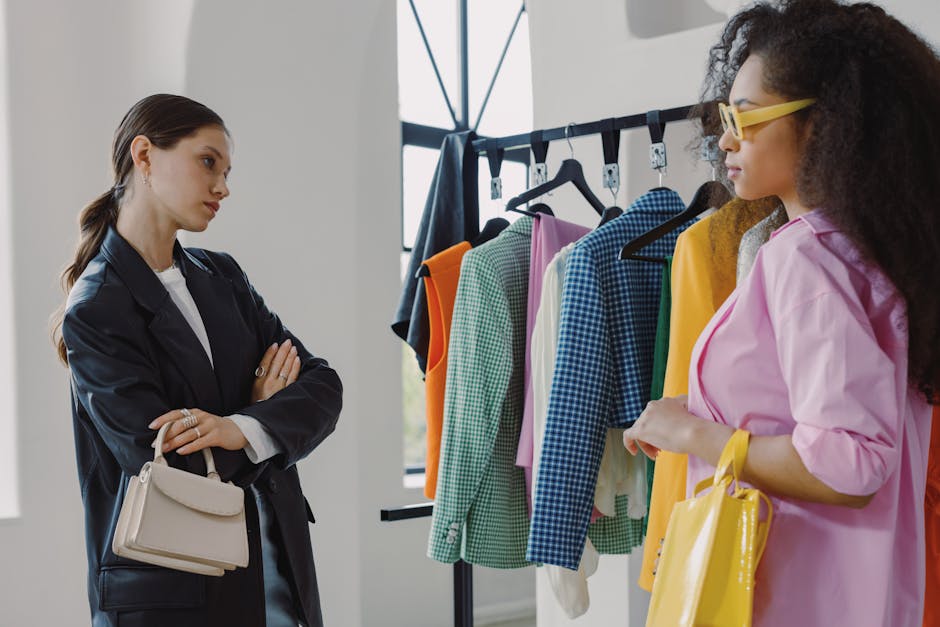
If you take away one thing, make it this: the best investment you can make for any work wardrobe, regardless of your industry, is a perfectly tailored blazer. It instantly elevates any outfit, commands respect, and offers unparalleled versatility. Seriously, don’t buy anything else until you have one that fits like a glove.
Lighting and Background: Making Your Outfits Pop on Instagram
Having great outfits is only half the battle; if your photos look dull or your background is a mess, your feed won’t shine. I’ve learned that lighting and background are just as critical as the clothes themselves. They set the mood, enhance the colors, and ultimately, make your outfits pop. I’m not a professional photographer, but I’ve picked up a few tricks that make a huge difference, often with minimal equipment.
My biggest “aha!” moment came when I realized that good photography isn’t about fancy cameras; it’s about understanding light. Natural light is your best friend. Always. I shoot near a large window, usually in the morning or late afternoon when the light is softer and more diffused. Direct midday sun can create harsh shadows and blow out details, which you definitely want to avoid. If I’m shooting on a darker day or need a bit more consistency, I lean on supplementary lighting. My **Elgato Key Light Air** has been a for this. It’s compact, easy to set up, and provides a beautiful, even light that makes everything look professional without being overly bright or artificial. I keep it behind my phone or camera, slightly off-center, to create a subtle sculpt. This kind of consistent lighting allows your clothes to really show off their true colors and textures, which is essential for a fashion feed.
Natural Light Is Non-Negotiable
Find your brightest window. That’s it. Seriously. Stand facing it, or slightly angled towards it. This creates soft, even light across your face and outfit. Avoid standing with the window behind you — that’s a recipe for silhouettes and dark, underexposed clothes. Experiment with different times of day; the “golden hour” (just after sunrise or before sunset) provides a warm, flattering glow, though it might not always align with your shooting schedule. If you’re stuck with less-than-ideal light, a simple white sheet or large piece of white foam board can act as a reflector, bouncing light back onto your outfit and filling in shadows. This cheap trick can make a massive difference.
The Unsung Hero: Your Home Office Background
Your background should complement, not distract from, your outfit. I’ve seen so many great outfits ruined by cluttered desks, laundry piles, or just busy, distracting elements in the frame. My rule is simple: clean and minimalist. A plain wall (white, gray, or a soft neutral color) is always a safe bet. If you have a bookshelf, make sure it’s tidily arranged — think aesthetic book spines, a plant, maybe a few curated decor pieces. I keep my home office incredibly tidy, partly for my own sanity, but also because I know it’s often my backdrop. For quick clean-ups before a shot, my **Dyson V8 Absolute** is invaluable; it’s lightweight and powerful enough to quickly vacuum up any dust bunnies or stray threads. I also strategically place a **Google Nest Hub Max** on a nearby shelf. It’s functional for my daily tasks but also adds a touch of modern tech aesthetic to the background, blending in seamlessly. Avoid anything too personal or messy. The focus should be entirely on you and your clothes.
Workwear Styling Questions I Get Asked Most
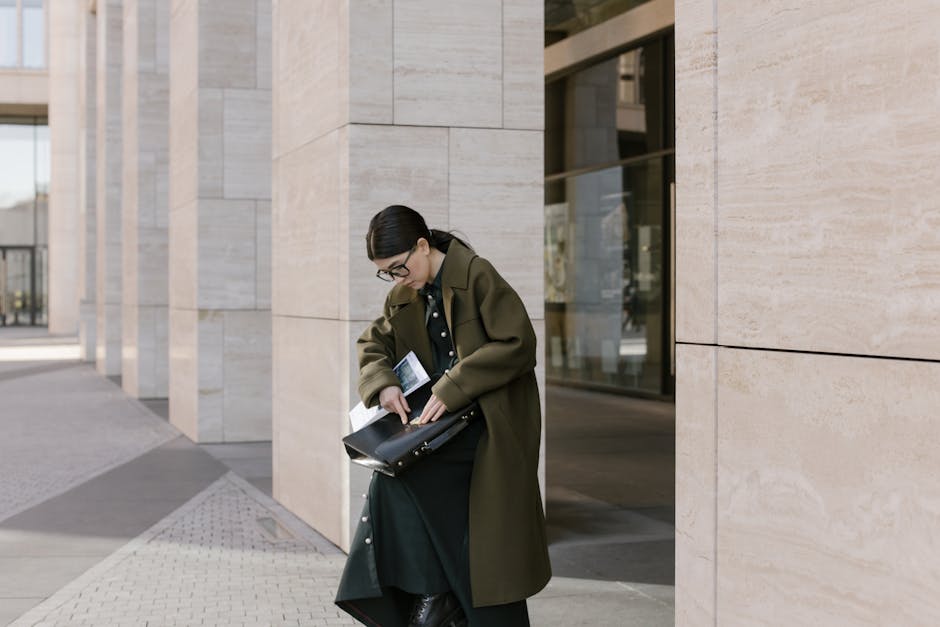
After years of posting my work outfits and engaging with followers, I’ve noticed a few questions pop up repeatedly. These are the real dilemmas people face when trying to build a stylish, professional wardrobe that also looks great on Instagram. My answers are always rooted in practicality and what I’ve seen work in the actual world.
How do I make staples interesting?
This is probably the most common question. The trick isn’t to buy wild, trendy pieces, but to focus on **elevated basics** and smart layering. Take a classic white shirt — instead of a standard cotton button-down, try one with a subtle detail like a gathered sleeve or an interesting collar. My favorite “boring” staples become interesting with a great belt, like a slim leather one from J.Crew, or a statement necklace layered over a simple knit. Play with texture — pair a cashmere sweater with silk trousers, or a tweed blazer with a fine-gauge knit. It adds visual depth without being too “much.” Also, a bold lip color or interesting eyewear can totally change the vibe of a simple outfit.
What about shoes and bags?
Shoes and bags are where you can really invest and see a return. I always tell people: don’t skimp here. A cheap bag or worn-out shoes can undermine an otherwise perfect outfit. For shoes, I swear by classic loafers — my Everlane Modern Loafers are incredibly comfortable and look polished. For pumps, Sam Edelman “Hazel” pumps are my go-to for comfort and style. Bags need to be functional for work but also stylish. My Cuyana “Classic Tote” in black leather holds my laptop, notebook, and essentials while still looking sleek. For smaller days, a cross-body from Madewell is perfect. The key is quality materials and classic shapes that won’t go out of style next season. A good bag and pair of shoes can make a simple outfit look intentional and expensive.
Can I wear jeans?
Absolutely, but with caveats. Not all jeans are created equal in a professional setting. My rule: dark wash, no distressing, and a tailored fit. Skip the ripped knees and the faded washes. I prefer a straight-leg or a slight bootcut — think classic Levi’s 501s or a dark wash pair from AG Jeans. Pair them with a blazer, a silk blouse, or a structured knit. Never with a t-shirt (unless it’s a truly elevated, heavy cotton tee and your office is super casual). The goal is to make the jeans look like a deliberate style choice, not an afterthought. They should be crisp, clean, and well-fitting. The contrast of structured tailoring with the casualness of denim is what makes it work for a professional look.
Ultimately, your best work outfit Instagrams come from authenticity and attention to detail.
