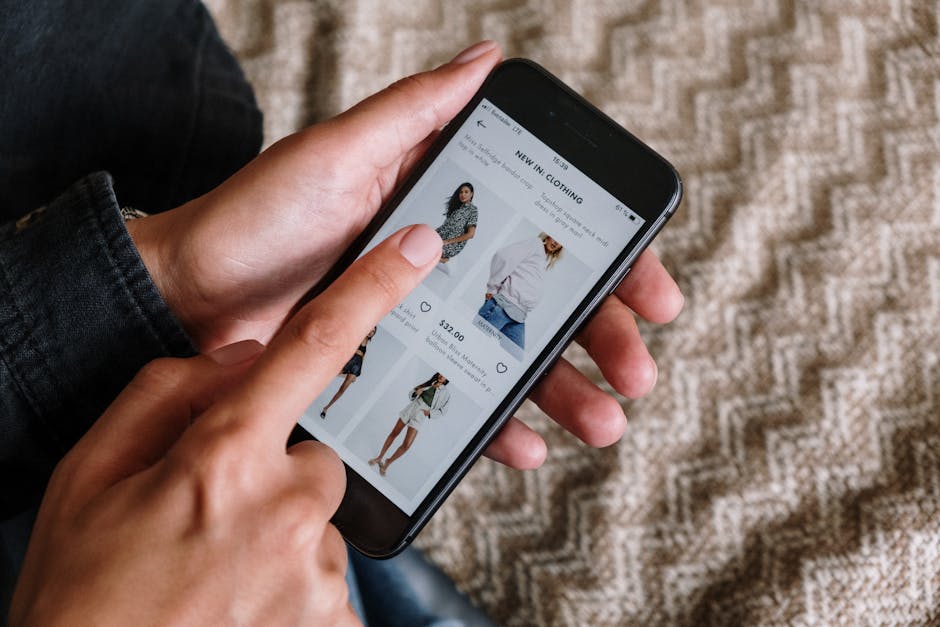
I’ve spent years sifting through countless apps, trying to organize my wardrobe, track trends, and discover new pieces without breaking the bank. This isn’t about fleeting fads or empty promises; it’s about finding tools that genuinely simplify your fashion life, saving both time and money. Forget the hype – I’m sharing what actually works.
Organizing Your Closet Digitally: The Essential Tools
Before you even think about buying new clothes, you need to know what you already own. Sounds simple, right? It isn’t, especially when your closet is a black hole of forgotten garments. A digital wardrobe app changes everything. I learned this the hard way after buying a “new” black sweater only to find three almost identical ones shoved in the back of a drawer.
Why a Digital Wardrobe?
A digital wardrobe is more than just a list; it’s an inventory, a style assistant, and a budget tracker all rolled into one. It forces you to confront your clothing habits. You upload photos of every item, tag them by color, season, brand, and occasion. Suddenly, you see patterns. You realize you own way too many striped shirts or not enough practical outerwear. This visibility is crucial for making smarter shopping decisions and getting more use out of what you already have. I used to think it was overkill, but the time saved on “what to wear” decisions alone makes it worth it.
My Top Picks for Closet Management
For serious wardrobe management, two apps stand out: Stylebook and Cladwell. Stylebook, for iOS, is my absolute favorite. Yes, it costs $4.99, but it’s a one-time purchase, and the features are robust. You can import clothes from your camera roll, remove backgrounds easily, create outfits, plan calendars, and even track cost-per-wear. It’s incredibly detailed, almost like a professional styling tool. The learning curve is a bit steep initially because of its depth, but once you get the hang of tagging and organizing, it’s unparalleled. I’ve logged hundreds of items and countless outfits in Stylebook over the years.
Cladwell, available on both iOS and Android, offers a different approach. It focuses heavily on capsule wardrobes and daily outfit recommendations based on your inventory and local weather. While I appreciate its AI-driven suggestions, I found the subscription model (around $7.99/month) a bit much for my needs, especially compared to Stylebook’s one-off price. It’s great if you want someone (or something) to tell you what to wear daily, but I prefer Stylebook’s granular control for my own styling. I ended up sticking with Stylebook for its comprehensive features and no recurring fees.
Syncing with Your Shopping Habits
One of the less-talked-about benefits of a digital wardrobe is how it informs your future purchases. Before I buy anything new, I check my Stylebook inventory. Does it fill a gap? Does it complement existing pieces? This simple step has dramatically reduced impulse buys and “orphan” items that don’t go with anything. It’s a powerful way to make your shopping more intentional. I also track my “wants” list directly within Stylebook, linking to products I’m considering. This prevents me from buying something just because it’s on sale, only to realize I already have something similar or it doesn’t fit my overall style direction.
Finding Outfit Inspiration That Actually Works

Endless scrolling through Instagram or Pinterest can be inspiring, but it often leads to feeling overwhelmed or inadequate. The trick isn’t just to look at pretty pictures; it’s to find inspiration that translates into *your* actual wardrobe. I’ve tried many methods, and here’s what consistently delivers.
- Curating Your Visual Boards: Pinterest remains the undisputed king here. Don’t just save random outfits. Create specific boards: “Work Outfits,” “Weekend Casual,” “Special Occasion,” “Color Palette Inspiration.” As you save pins, consciously think: Can I recreate this with items I own or could reasonably acquire? The key is to be selective. I also delete boards or pins that no longer resonate with my style evolution. This keeps my feed fresh and relevant.
- AI for Outfit Suggestions: Apps like Pureple (free, iOS/Android) and Combyne (free, iOS/Android) use your uploaded wardrobe items to suggest new outfit combinations. Pureple is a bit more straightforward, focusing on combining items you already have. You upload clothes, and it generates looks. I found it useful for getting out of a style rut with my existing pieces. Combyne takes it a step further, allowing you to create mood boards, mix and match virtual garments from various brands, and even get feedback from a community. It’s more playful and good for experimenting with new styles before committing to buying. I don’t use Combyne for daily outfits, but it’s fantastic for brainstorming.
- Brands That Get It Right: Beyond general inspiration, some direct-to-consumer (DTC) brands have excellent lookbooks within their own apps or on their websites. Take Everlane, for instance. Their app showcases how individual pieces can be styled in multiple ways, often using diverse body types. This is practical inspiration, showing how real clothes fit and look, rather than just aspirational runway shots. Cuyana also does this well; their focus on fewer, better things means their styling advice is always thoughtful and versatile. I find looking at how these brands style their own collections to be far more actionable than just general fashion blogs.
The Best Apps for Pre-Loved Fashion Finds
Buying pre-loved isn’t just sustainable; it’s often the only way to snag designer pieces or unique vintage finds at a fraction of the original cost. I’ve bought and sold hundreds of items over the years. My advice? Don’t waste time sifting through endless junk on general marketplaces; go straight to the platforms built for fashion. They have better protections, better curation, and a more engaged community.
Why Resale Apps Are a Game Changer
The fashion industry produces a staggering amount of waste. Choosing pre-loved items significantly reduces your environmental impact. Beyond that, it’s a treasure hunt. I’ve found incredible, often unworn, pieces from brands like A.P.C., Ganni, and Reformation for 60-80% off retail. This allows me to invest in higher-quality items that last longer, rather than constantly buying cheap, disposable fast fashion. Plus, you can sell items you no longer wear, recouping some of your original investment. It’s a win-win.
My Go-To Platforms for Quality
For mainstream fashion and contemporary brands, Depop and Poshmark are my mainstays. Depop (free, iOS/Android) is particularly strong for streetwear, vintage, and independent sellers. It feels more like a social feed, and I’ve found some really unique, one-off pieces there. The key is to use very specific search terms and follow sellers whose style you admire. Poshmark (free, iOS/Android) is better for broader contemporary brands, from J.Crew to Kate Spade. Its “Posh Parties” can be a bit overwhelming, but if you know what you’re looking for, the filtering system is decent. I’ve had more success selling higher-priced items on Poshmark due to its larger user base.
For luxury and designer items, there’s no substitute for The RealReal (free, iOS/Android). Their authentication process, while not flawless, is rigorous. I’ve purchased high-end bags and shoes from brands like Chanel, Gucci, and Prada, feeling confident in their authenticity. Prices are higher here, but the quality and brand selection are unmatched in the resale market. I also recommend checking out Vestiaire Collective for similar high-end curated collections. I’d advise new buyers to carefully check seller ratings and always read descriptions thoroughly on all platforms.
Avoiding the Pitfalls of Online Resale
It’s not all sunshine and savings. You need to be smart. Always ask for more photos if the listing isn’t clear, especially of any imperfections. Check measurements against your own clothing, not just the listed size. Read reviews of the seller. On platforms like Depop and Poshmark, don’t be afraid to politely negotiate, but also be realistic. Shipping costs can add up, so factor that into your final decision. And remember, “final sale” means final. Buyer beware.
Tracking Sales and Deals: Don’t Pay Full Price

You don’t need to pay full price for quality fashion. Smart shopping is about patience and knowing where to look. I rarely buy anything at retail anymore unless it’s a truly unique piece or a foundational item I absolutely need immediately. Most of my wardrobe is acquired during sales or through pre-owned channels.
Setting Up Price Alerts
Many brands offer email sign-ups for sales, but dedicated price-tracking apps and browser extensions are far more effective. Apps like ShopSavvy (free, iOS/Android) allow you to scan barcodes or search for products and set alerts when prices drop. This is incredibly useful for specific items you’re eyeing. For online shopping, browser extensions like Honey or CamelCamelCamel (for Amazon, but many brands are on there) can track historical prices and notify you when a product reaches your desired price point. I typically set alerts for items I want, then forget about them until I get a notification. This prevents impulse purchases and ensures I’m getting the best deal.
Browser Extensions vs. Dedicated Apps
Browser extensions are fantastic for desktop shopping, seamlessly integrating into your browsing experience. They often automatically apply coupons or show price history right on the product page. Dedicated apps, on the other hand, are better for mobile shopping and for items found in physical stores (via barcode scanning). I use a combination of both. For example, if I see a jacket I like in a store, I’ll quickly scan it with a price comparison app. If I’m browsing online for a specific dress, I’ll have a browser extension active. The best approach is to use the tool that fits your current shopping environment.
When to Buy and When to Wait
This is where patience pays off. Major sales events (Black Friday, End-of-Season, Holiday Sales) are obvious times to buy. However, smaller, unannounced flash sales happen all the time. If an item isn’t a critical, immediate need, I add it to a wishlist within an app or set a price alert. I’ve found that waiting often means getting an item for 30-50% less, especially for non-seasonal pieces. Brands also cycle inventory. If a piece isn’t selling well at full price, it will eventually hit the sale rack. The only time I pay full price is for truly timeless investment pieces I know I’ll wear for years, and even then, I try to time it with a small discount if possible.
Virtual Try-On and Sizing Apps: A Reality Check
The promise of virtual try-on is compelling: no more guessing games, no more returns. The reality, however, is a mixed bag. I’ve experimented with several, and while they’ve come a long way, they’re not perfect. You can’t rely on them 100% just yet, but they offer useful guidance.
| App/Feature | Platform | Accuracy (My Experience) | Best Use Case |
|---|---|---|---|
| Zeekit (Integrated with brands like ASOS, Adidas) | Web/In-app | Good for general fit/drape, less for exact sizing. | Seeing how a garment looks on a body similar to yours. |
| Wanna Kicks | iOS | Decent for trying on sneakers virtually. | Visualizing how new shoes look with your current outfit. |
| True Fit (Integrated with retailers) | Web/In-app | Reliable for size recommendations based on past purchases. | Getting a specific size recommendation when shopping a new brand. |
| Amazon’s “Try Before You Buy” | Web/In-app | Excellent for reducing return friction. | Trying items at home without upfront cost. |
Zeekit, for example, is integrated into many brand apps and websites, letting you superimpose clothes onto a model or even a photo of yourself. It’s great for seeing how the cut and color will look, but I wouldn’t trust it entirely for exact sizing. I still cross-reference with size charts and reviews. Wanna Kicks, specifically for sneakers, is surprisingly fun and somewhat accurate for visual appeal, but it’s a novelty more than a practical sizing tool.
How Accurate Are They Really?
The accuracy varies wildly. Factors like your phone’s camera quality, lighting, and how well you take your measurements (if required) all play a role. Most virtual try-on tools are better at showing you the *style* and *drape* of a garment rather than its precise fit. They help you visualize, which reduces guesswork, but they don’t eliminate the need for traditional size charts and customer reviews. Don’t expect a perfect digital twin experience every time.
Apps That Get Sizing Right
For actual sizing recommendations, I’ve had more consistent success with services like True Fit. Instead of virtual try-on, True Fit (often integrated into retailer websites like Macy’s or Nordstrom) asks you about your body shape and preferred fit in other brands you own. It then uses algorithms to recommend the correct size for the item you’re looking at. This method is far more reliable for getting the *right size* than purely visual virtual try-on. It’s not an app in itself, but a powerful feature within many retailer apps.
The Future of Digital Fitting
I believe we’re still a few years away from truly seamless and accurate virtual try-on. The technology needs to improve to account for fabric stretch, garment construction, and individual body variations with greater precision. However, these tools are already valuable for narrowing down choices and giving you a better idea of how something will look, reducing impulse buys and the hassle of returns. It’s an evolving space, and I keep an eye on new developments, but for now, use them as a guide, not gospel.
Beyond Style: Fashion’s Impact on Your Wallet

Fashion isn’t just about looking good; it’s about smart financial choices. Over the years, I’ve learned that understanding the true cost of my clothing goes far beyond the price tag. This insight has drastically changed how I shop and build my wardrobe.
Understanding Cost-Per-Wear
This is probably the most important metric I use. Instead of thinking “This shirt costs $50,” I think “If I wear this shirt 50 times, it costs me $1 per wear.” A high-quality, versatile blazer might cost $200, but if I wear it 200 times over five years, that’s $1 per wear. A trendy, cheap top might be $20, but if it falls apart after five washes, that’s $4 per wear. Suddenly, the more expensive, well-made item becomes the better investment. This mindset shifts your focus from initial price to long-term value. It encourages investment in classics and discourages impulse buys of fleeting trends.
The True Price of Fast Fashion
Fast fashion might seem cheap upfront, but it often carries a hidden cost. The quality is usually poor, meaning items don’t last, leading to a higher cost-per-wear in the long run. Beyond that, the ethical and environmental implications are severe. I’ve personally seen how quickly these garments degrade, ending up in landfills after just a few wears. Opting for fewer, better-made pieces, even if they’re pre-owned, is a more financially sound and responsible approach. My wardrobe now consists of fewer items, but each piece is chosen for its quality, versatility, and longevity.
Building a Sustainable Wardrobe
Sustainability in fashion isn’t just for eco-warriors; it’s smart economics. Buying durable items, repairing what you own, and utilizing resale apps are all part of this. It’s about consciously consuming. I’ve found that investing in pieces from brands known for their quality – like Eileen Fisher for basics or Levi’s for denim – means less frequent replacements. Learning basic mending skills or finding a good tailor also extends the life of garments significantly. This proactive approach saves money over time and builds a more resilient, personal style.
My Single Favorite App for Daily Style Decisions
If you made me pick just one app to keep, it would be Stylebook. No question. It’s simply the most comprehensive, customizable, and effective tool I’ve found for managing my wardrobe and influencing my daily style choices. I’ve used it for years, and it continues to be indispensable.
Which App Do I Use Most Often?
It’s Stylebook, hands down. I open it almost every day, either to plan outfits, track what I’ve worn, or just browse my own inventory. Its depth of features means it can adapt to whatever my current fashion need is, from packing for a trip to deciding if I should buy a new pair of jeans.
What Makes It Stand Out?
For me, it’s the granular control and the “cost-per-wear” tracking. Being able to see exactly how often I wear something and its true cost over time is incredibly motivating. It has pushed me to be more creative with my existing clothes and more selective with new purchases. The ability to remove backgrounds from photos of my clothes, organize them by countless categories, and create outfit collages is just fantastic. It’s like having a personal stylist and inventory manager built into one app. It helps me make the most of my closet, which is the whole point of these tools.
Is It Worth the Investment?
Absolutely. At $4.99 (one-time purchase for iOS), Stylebook pays for itself almost immediately by preventing even a single unnecessary purchase. It saves me time and helps me feel more put-together daily. For anyone serious about understanding and optimizing their wardrobe, it’s a non-negotiable tool. While it has a learning curve, the investment of time to set it up is minimal compared to the long-term benefits of a streamlined, efficient wardrobe.
