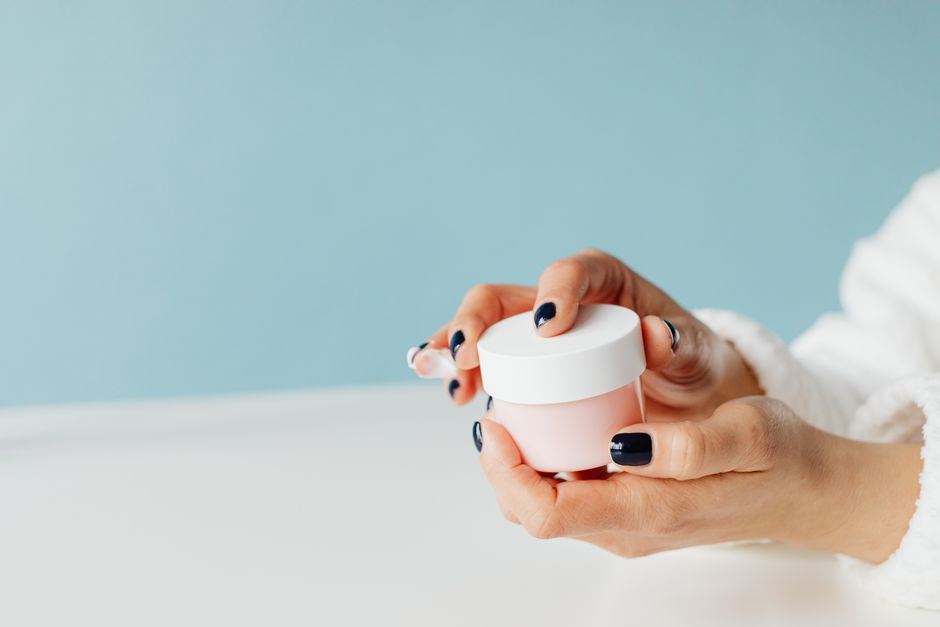
On a cold night, an overnight treatment can be as simple as a comfortable face cream and a plain lip ointment. You do not need a crowded bedside shelf or a mask that promises a different face by morning. The useful goal is to keep dry areas feeling comfortable while you sleep. This guide focuses on choosing leave-on textures, layering them sensibly, and knowing when a lighter approach makes more sense.
Choose an overnight treatment by its job
The word overnight describes when you use a product, not a special standard it must meet. A night cream, sleeping mask, or lip mask may overlap with an ordinary moisturizer or balm. Read the directions and ingredient list before deciding whether it adds anything useful to what you already own.
For cold nights, think about two jobs: adding moisture and helping keep that moisture from escaping. A cream can cover both. An ointment usually feels more protective and greasy, so it often works best in small amounts on selected dry spots. More layers are optional, especially if your skin already feels comfortable after moisturizing.
- Humectants: Ingredients such as glycerin attract water and are common in moisturizers.
- Emollients: These help rough skin feel smoother; many creams contain a mixture of softening ingredients.
- Occlusives: Ingredients such as petrolatum form a surface layer that helps reduce moisture loss.
You do not need to find separate products for every category. A familiar, fragrance-free cream is a practical starting point. Choose according to how your skin feels, rather than assuming the richest texture is automatically the best.
Prepare your face without leaving it tight
Start your evening routine early enough that you are not applying everything as your head reaches the pillow. Remove makeup and sunscreen gently, using a cleanser that rinses away without repeated rubbing. Keep the water lukewarm. A hot wash may feel inviting after a chilly day, but it can leave already dry skin feeling less comfortable.
Pat your face lightly with a soft towel. For a basic moisturizing routine, apply cream while your skin is still slightly damp, rather than waiting until it feels completely dry. Spread it gently over your face and neck, keeping it away from the eyes unless the label specifically allows use there.
If cleansing leaves your skin stinging or noticeably tight, reconsider the cleanser and washing technique before adding another overnight product. A thick final layer cannot make an irritating first step suitable.
Build a comfortable overnight face layer
Begin with the moisturizer you know
Use a modest layer of a moisturizer you already tolerate. Give it a moment to settle, then notice where your skin still feels dry. Your cheeks may need extra attention while your forehead feels fine. Treating those areas separately can be more comfortable than coating your whole face in something heavy.
If you prefer a sleeping mask, choose one intended to remain on overnight and follow its directions. Some masks replace moisturizer; others are designed as a final layer. There is no need to use both simply because they have different names.
Add ointment only where useful
For a stubbornly dry patch on otherwise intact skin, a very thin film of plain petrolatum over moisturizer may feel helpful. Use just enough to leave a light sheen. Avoid spreading it close to your lash line, and skip areas where heavy products tend to feel uncomfortable or coincide with breakouts.
Covering the entire face with ointment is sometimes called slugging, but it is an option rather than a required winter ritual. If you dislike the sensation, a cream alone is a reasonable choice. Stop using any new layer that causes irritation.
Give lips a simple bedtime treatment
Remove lip color gently, then leave any loose flakes alone. Sugar scrubs, toothbrushes, and peeling skin with your fingers can make tender lips feel worse. If you have just washed your face, lightly pat away excess water around your mouth before applying your lip treatment.
Choose a plain, fragrance-free lip ointment or balm that feels comfortable immediately. Petrolatum is a straightforward option. A product does not need to tingle, cool, or plump to be useful; those sensations can be unwelcome on dry lips. Avoid flavors or fragrances that encourage you to lick your lips repeatedly.
Apply an even coating over the lips without building a large rim around the mouth. Keep it within easy reach if you want to reapply before sleep, especially after brushing your teeth or having a drink. Use clean hands, or apply directly from a clean tube according to its instructions.
An overnight layer may soften the feel of dry lips, but it will not make every split disappear by morning. Let flakes loosen naturally and judge the routine by comfort over several nights, rather than trying to force a smooth surface before bed.
Keep strong treatments separate from extra coating
A cold night is not a reason to combine exfoliating acids, retinoids, a scrub, and a heavy mask. If your skin feels tender, simplify optional cosmetic steps instead of adding more. Follow product directions, and ask your prescriber before changing how you use a prescribed treatment.
Do not experiment by sealing unfamiliar active products beneath ointment. A heavy covering can change how a product behaves on your skin and may increase irritation. Keep your comfort routine straightforward: gentle cleansing, a tolerated moisturizer, and targeted lip care.
Introduce one new product at a time. Try a small amount on a limited area first, following any testing instructions on the packaging. This cannot guarantee that a reaction will never occur, but it makes an unsuitable product easier to identify than introducing several together.
Make the bedside setup work for you
Let your final layer settle before lying down so less of it immediately transfers to your pillowcase. If your face sticks to the fabric or the treatment keeps migrating toward your eyes, use less next time. There is no benefit in making sleep uncomfortable for the sake of a thicker coating.
Avoid directing a heater toward your face. If you use a humidifier because the room feels dry, follow its cleaning and maintenance instructions carefully. Keep pillowcases clean, and choose bedding that feels comfortable against your skin; a special fabric is not essential to this routine.
Use the morning as a comfort check
When you wake, notice whether your lips feel less tight and your face feels comfortable. Gently rinse or cleanse as needed to remove residue, then continue with your usual daytime moisturizer and sun protection. Avoid scrubbing away leftover ointment.
If you wake feeling greasy, reduce the amount or reserve ointment for smaller areas. If you remain dry, check whether cleansing or another evening product is leaving your skin uncomfortable before adding more layers.
Persistent cracking, soreness, itching, or recurring irritation deserves advice from a dermatologist or doctor. Seek medical advice for bleeding, worsening pain, or signs of infection as well. For everyday cold-night care, a small, repeatable routine that feels good on your skin is enough to aim for.
