Why does leather work so well in autumn layers?
Use contrast instead of matching everything
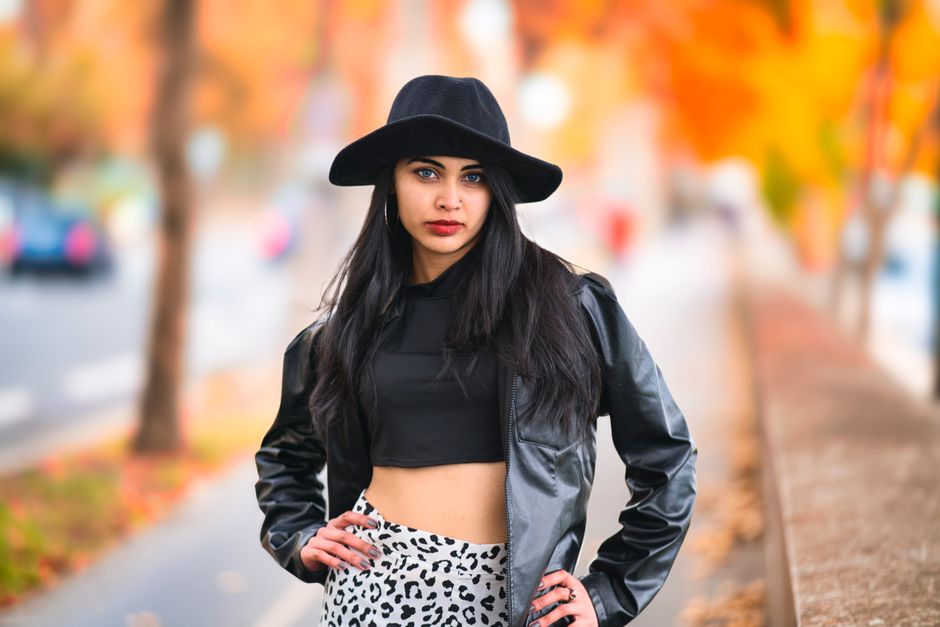
Leather works in autumn because it adds a firm, slightly polished surface to fabrics that are usually soft and textured. Knitwear, brushed cotton, corduroy, denim, and wool all create a useful contrast against the jacket. That contrast gives a basic outfit more depth without requiring bright colors or complicated accessories.
Think about the difference between surfaces before thinking about color. A smooth jacket looks rich beside a ribbed jumper. A worn-looking jacket feels relaxed beside washed denim. A neat jacket can balance a flowing skirt. These pairings work because the fabrics do different jobs. One provides structure; the other provides movement or warmth.
Keep the warmth in the middle layer
A leather jacket can block wind, but it may not provide enough warmth on its own. Put the insulating layer underneath it, not over it, when you want the jacket to remain the main shape. A thin wool or cotton knit usually works better than a very thick jumper that strains the sleeves and pulls the shoulders forward.
For colder weather, add warmth with a close-fitting base layer, thick tights, socks, or a scarf. This keeps the outfit practical without turning the jacket into a stiff outer shell. Leave space around the neck and wrists so the layers do not look cramped.
Choose a palette with autumn depth
Brown, cream, charcoal, olive, burgundy, navy, and muted blue sit naturally beside black or dark brown leather. A lighter base layer can brighten the outfit, while a deeper lower half makes the jacket feel grounded. The clearest rule is to use two quiet colors and one supporting accent. That is enough contrast for most casual outfits.
When the jacket is a strong color, avoid adding several competing accents. Let the leather carry the visual weight. This makes the outfit easier to wear across different settings, from a daytime appointment to an evening meal.
How do you build a leather jacket outfit step by step?
Follow the five-piece order
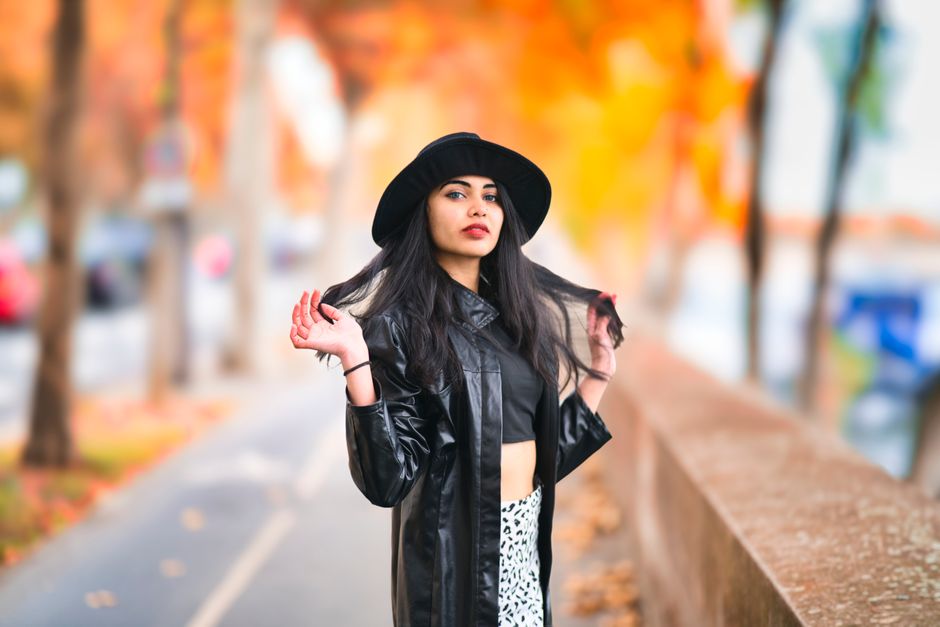
- Choose the jacket proportion. Decide if the outfit needs a cropped, waist-length, or hip-length shape. A cropped jacket works well with high-waisted bottoms, while a longer jacket balances shorter skirts and slim trousers.
- Add the base layer. Use a close-fitting tee, shirt, fine knit, or lightweight turtleneck. The base layer should sit flat under the sleeves and collar.
- Pick the lower half. Straight trousers create a clean line. A flowing skirt adds movement. Relaxed jeans make the jacket feel casual. Choose one direction instead of mixing several loose shapes.
- Set the shoe level. Ankle boots make the outfit feel grounded. Trainers keep it casual. Loafers create a neater finish. Match the shoe shape to the formality of the lower half.
- Finish with one useful accessory. Add a scarf, belt, small bag, or simple earrings. One intentional detail looks more polished than several unrelated additions.
Check the outfit from three distances
Look at the outfit close up to check collar and sleeve layers. Then step back to check the proportions from head to ankle. Finally, sit down and move your arms. If the jacket pulls, the sleeves ride up, or the waistband presses into the base layer, change the underlayer before leaving. Comfort affects how confidently the outfit reads.
The practical winner is the outfit that keeps its shape while you walk, sit, and carry a bag. Autumn clothing needs to work in motion, not only in a mirror.
What should you wear under a leather jacket?
Can a leather jacket work with a dress?
Yes. A leather jacket gives a soft dress more structure and makes it suitable for cooler weather. Choose a dress with a simple neckline so the jacket collar has space to sit. A midi length creates an elegant line with ankle boots, while a shorter dress works best with opaque tights and a jacket that ends near the waist.
For a relaxed result, keep the dress loose and the jacket neat. For a sharper result, use a fitted dress with a slightly roomy jacket. Avoid adding a long cardigan between the dress and jacket because the extra hem can make the layers look crowded.
Can you wear knitwear under leather?
Fine or medium-weight knitwear is the safest choice. Ribbed textures add interest, but the knit should not bunch beneath the arms. A crew neck gives a clean, casual line. A high neck adds warmth and makes the jacket feel more refined. If the jumper has a bold texture, keep the trousers plain.
Does a leather jacket work with a skirt?
It does, especially when the skirt supplies movement. Pair a structured jacket with a pleated, satin-look, denim, or softly gathered skirt. Keep the top simple so the contrast between firm leather and fluid fabric remains visible. The best verdict for a balanced outfit is a defined jacket, a clean waistline, and shoes that echo the weight of the jacket.
Which leather jacket mistakes make an autumn outfit look awkward?
Avoid these common styling errors
- Too many heavy layers: A thick jumper, large scarf, and oversized jacket can erase the waist and make the upper body look crowded.
- Matching every leather detail: A jacket, bag, belt, and shoes in identical leather can look forced. Vary the texture or use only two matching details.
- Ignoring sleeve length: Sleeves that cover the hands make the outfit look oversized unless the whole silhouette is intentionally loose.
- Using the wrong hem balance: A long top beneath a short jacket can split the body into awkward blocks. Tuck, shorten, or open the jacket to restore a clear line.
- Adding too many autumn colors: Rust, mustard, olive, burgundy, and brown can become muddy together. Choose one accent color and let the neutrals support it.
- Wearing delicate shoes with a heavy jacket: Very thin footwear can make the upper half feel disconnected. Add visual weight with boots, substantial flats, or a stronger trouser line.
When should you skip the leather jacket?
Skip it when the outfit already has several structured pieces, such as a tailored jacket, stiff skirt, and formal shoes. The leather layer may add weight without adding useful contrast. It is also the wrong choice for very wet weather if the jacket needs special care, or for an outfit built around a soft, romantic silhouette that depends on uninterrupted drape. In those cases, choose a lighter layer that supports the outfit’s movement.
What are the best autumn outfit formulas without overthinking them?
Use the setting to choose the formula
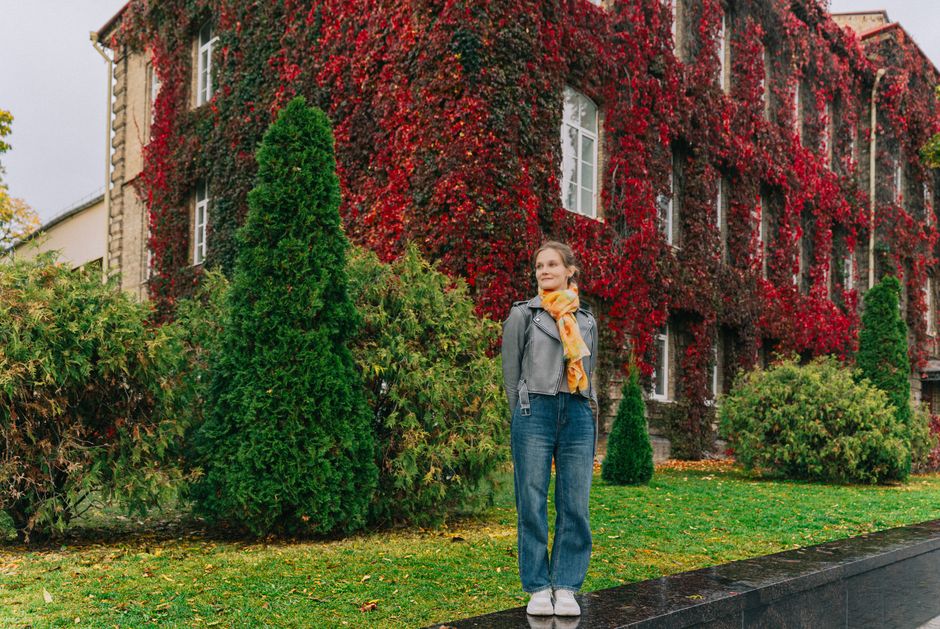
Start with the day ahead, then select the outfit shape. A casual daytime look needs ease and durable layers. A polished look needs cleaner lines and fewer visible details. An evening look can use stronger contrast, but it still benefits from one calm base color.
| Setting | Base layer | Lower half | Finishing detail |
|---|---|---|---|
| Casual daytime | Soft tee or fine knit | Straight jeans | Ankle boots and a simple scarf |
| Work-friendly | Fine turtleneck or crisp shirt | Wide-leg trousers | Clean loafers and a structured bag |
| Weekend walk | Medium-weight knit | Corduroy trousers | Comfortable boots and a crossbody bag |
| Evening meal | Simple fitted top | Midi skirt | Small earrings and polished shoes |
| Rainy transition day | Close-fitting base layer | Dark trousers | Water-resistant footwear and a compact scarf |
Make the formula feel personal
Change only one element at a time. Swap jeans for a skirt, then keep the jacket and top the same. Next, try a brighter scarf while keeping the lower half quiet. This method shows which change improves the outfit and which one creates clutter.
The most useful formula is the one you can repeat with different colors and proportions. It gives you a dependable starting point while leaving room for personal style.
How should you compare leather jacket outfit options?
Choose by the result you want
A leather jacket outfit can look casual, polished, soft, or dramatic. Decide the result before selecting individual pieces. The comparison below gives each direction a clear structure, so you can build an outfit quickly without relying on random layers.
For the most versatile autumn wardrobe, choose the casual or polished formula first. They work across more settings and need fewer special pieces. Use the softer or more dramatic options when the rest of your wardrobe already supports that mood.
Final comparison summary
| Style direction | Best proportions | Best color approach |
|---|---|---|
| Casual | Roomy jacket with straight trousers | Black, denim, cream, or olive |
| Polished | Neat jacket with tailored trousers | Two neutrals with one deep accent |
| Soft | Defined jacket with a flowing skirt | Muted colors and gentle contrast |
| Layered | Close base layer with a medium knit | Light middle layer and dark jacket |
| Dramatic | Cropped jacket with a long lower line | Dark palette with one strong accent |
