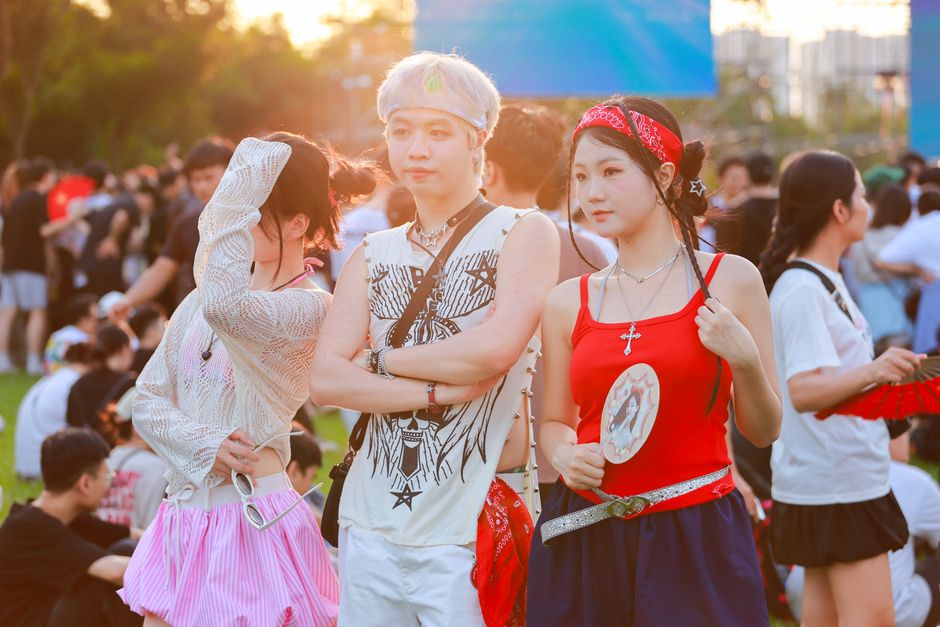
You arrive at the venue in a cute outfit, then spend the first song tugging at a slipping neckline, wiping sweat from your face, and trying not to lose a shoe in the grass. By the second song, the sun has dropped, the temperature has fallen, and the light layer you left at home would be worth its weight in comfort.
The best outdoor summer concert outfit solves several problems at once: heat, movement, changing weather, long periods of standing, crowded spaces, and the practical limits of a small bag. Start with the venue and forecast, then choose a simple outfit that lets you enjoy the music instead of managing your clothes.
How to Build an Outdoor Concert Outfit That Handles Heat and Movement
Start with the venue, ground, and forecast
An outdoor concert on a paved city terrace needs a different outfit from a lawn show or a dusty field. Check the surface before choosing footwear. Grass can become slick after rain, gravel punishes thin soles, and uneven ground makes unstable heels a poor choice even if the rest of the outfit looks polished.
Look at the full temperature range, not only the afternoon high. Wind also matters. An open field can feel much cooler after sunset, while a tightly packed standing area may stay warm for hours.
Make movement the first design rule
A movement-first outfit should let you walk, sit, dance, reach for your phone, and lift your arms without constant adjustments. Test the outfit at home by taking ten full steps, sitting on a low chair, raising both arms, and bending down. If fabric pulls, straps slide, or a hem needs attention after each movement, change it before the event.
Choose breathable fabrics with enough room through the waist, hips, and shoulders. A relaxed shirt over fitted shorts, a loose dress with secure straps, or wide-leg trousers with a close-fitting top can all work. The strongest choice for most summer shows is an outfit that feels easy at noon and still looks intentional after several hours outside.
What to Wear for a Long Day at a Summer Concert

Use this five-part outfit check
- Base layer: Choose a breathable top or dress that does not cling heavily when you perspire. Soft cotton, linen blends, lightweight viscose, and airy technical fabrics can all work when they allow airflow.
- Bottom half: Pick shorts, trousers, or a skirt that stays comfortable while standing. Check the hem and waistband when sitting, climbing steps, and walking quickly.
- Layer: Bring a thin overshirt, cropped jacket, or light cardigan for sunset. Tie it around your waist only if the fabric will not drag through mud or crowded walkways.
- Footwear: Choose cushioned, broken-in shoes with a secure fastening. Wear them for a short walk before the event. New shoes can create blisters before the headline set begins.
- Bag and essentials: Use a small crossbody or compact belt bag that stays close to your body. Check the venue rules before leaving; some locations allow only clear bags or bags below a fixed size.
Keep the outfit balanced
If the top is loose, a shorter or more defined bottom half can keep the shape sharp. If the trousers are wide, a closer-fitting tank or tucked shirt creates a clear waistline. This balance helps a practical outfit look styled rather than accidental.
Do not add extra pieces simply because concerts feel like a chance to experiment. One expressive detail is enough: a bright scarf, sculptural earrings, a textured belt, or a bold color combination. Fewer pieces mean fewer items to carry, adjust, or lose.
How Weather Changes Your Concert Outfit Choices
Weather changes the outfit more than the venue does. Use the temperature, humidity, wind, and chance of rain to decide what to wear before you think about color or trend.
Match the outfit to the forecast
| Expected conditions | Best clothing approach | Main reason |
|---|---|---|
| 28–35°C, bright sun | Loose top or dress, breathable shorts or skirt, open-weave layer | Allows airflow and limits heat held against the skin |
| 22–28°C with strong wind | Light trousers or longer skirt with a secure overshirt | Protects exposed legs and stops a layer from flying open |
| 18–24°C after sunset | Short-sleeved base with a light jacket or cardigan | Handles the evening temperature drop without bulk |
| Rain likely, soft ground | Quick-drying layers and sturdy closed shoes | Reduces discomfort and keeps footing more reliable |
| High humidity | Loose silhouettes, minimal layers, hair secured away from the neck | Reduces cling and helps heat escape |
Plan for the temperature swing
The most useful layer is one you can carry easily and put on with one hand. A thin button-front shirt works well because you can wear it open, close it at sunset, or roll the sleeves up during the warmest part of the day. Avoid bulky sweaters that consume the entire bag and become uncomfortable if the crowd stays warm.
If rain is likely, protect the outfit with a compact waterproof layer rather than relying on a delicate fabric that takes hours to dry. A clear forecast can still change, but you do not need to dress for every possible disaster. Prepare for the most likely conditions and add one small backup for the most uncomfortable risk.
Common Summer Concert Outfit Mistakes That Ruin the Night
The biggest mistake is dressing for a photograph instead of the full event. A good concert outfit should survive the queue, security check, standing area, bathroom trip, food line, changing light, and walk home.
Avoid these practical failures
- Unstable shoes: Thin heels and loose slip-ons make grass, gravel, stairs, and dense crowds harder to handle.
- Overly short hems: A skirt or dress that shifts when you sit can turn every break into a wardrobe check.
- Heavy synthetic layers: Thick fabric traps heat and can feel damp long after the sun goes down.
- Unsecured accessories: Long necklaces, oversized hoops, and loose scarves can catch on bags or other people.
- Unprotected shoulders: A sleeveless outfit may feel fine at sunset but leave you cold in wind or under strong air movement.
- Too many loose items: Extra jackets, large bags, and dangling accessories are easy to drop in a crowd.
Know when an outfit idea is wrong for the event
Skip delicate fabrics when the venue has rough seating, dusty ground, or a high chance of rain. Skip white bottoms when you expect grass, outdoor food, or a long walk through crowded areas. Skip anything that requires special undergarments, repeated taping, or careful positioning every time you move.
Comfort does not mean giving up style. It means removing the one feature most likely to cause trouble. If a dramatic sleeve catches on bags, choose a dramatic color instead. If a short skirt makes sitting stressful, switch to shorts or trousers with a similar silhouette.
The Best Outfit Formula for Different Types of Outdoor Concerts

For most women, the best starting point is a breathable base, secure shoes, one light layer, and a compact bag. This formula wins because it adapts to heat, movement, and changing light without looking like hiking gear.
For a lawn concert
Choose a relaxed dress with secure straps, flat closed shoes or supportive sandals, and a light shirt for the evening. If you plan to sit on a blanket, check the hem before leaving home. A dress that feels fine while standing may become awkward when you sit cross-legged or lean forward.
Shorts with a loose button-front shirt also work well. This combination gives you more freedom to sit on the grass and makes bathroom trips easier. Add a belt only if it does not dig into your waist after several hours.
For a city rooftop or paved venue
Try wide-leg trousers with a fitted tank, or a midi skirt with a tucked shirt. These outfits look polished under evening lights and protect more skin from hot pavement, wind, and crowded contact. Choose shoes with a stable sole and enough grip for stairs.
For a crowded standing show
Keep the silhouette close enough to avoid catching on people, but not so tight that you lose airflow. High-waisted shorts with a sleeveless top and an open overshirt offer movement and coverage. A crossbody bag that sits at the front of your body is safer and easier to manage than a large shoulder bag.
For an all-day event with multiple stages, trousers usually beat a short skirt because they make sitting, walking, and sudden weather changes simpler. For a short evening set in a controlled venue, a dress can deliver more visual impact with fewer pieces.
Outdoor Summer Concert Outfit Questions, Answered
Are jeans a good choice for a summer concert?
Jeans can work for a cooler evening, a short concert, or a venue with strong wind. They are a poor choice for a hot afternoon because denim holds heat and dries slowly if it becomes damp. If you want the structure of jeans, choose a lighter-weight pair with a relaxed leg and a soft waistband.
