
Fast fashion pumps out 2 billion pairs of jeans every year. Each pair takes roughly 1,800 gallons of water to make. That’s enough for one person to drink for a decade. The cotton fields get doused in pesticides, and the workers cutting the fabric often earn less than $3 a day. That’s the ugly truth behind a $60 pair of mall jeans.
But there’s a flip side. A small group of brands decided to build their business differently. They pay living wages, use organic fibers, and design jeans meant to be repaired, not thrown away. This guide cuts through the greenwashing and names the seven denim brands that actually walk the walk in 2026. You’ll find exact prices, specific materials, and real durability data.
What Makes Denim “Responsible” in 2026?
Three things separate a genuinely responsible pair of jeans from a marketing story. First, the fiber. Organic cotton grown without synthetic pesticides uses 91% less water than conventional cotton. Second, the dye. Traditional indigo dyeing dumps toxic chemicals into rivers. Brands using pre-reduced indigo or plant-based dyes cut water pollution by 80% or more. Third, the cut-and-sew. Factories certified by the Fair Labor Association guarantee workers get breaks, safety gear, and wages above the local poverty line.
Look for these certificates on a brand’s website: GOTS (Global Organic Textile Standard) for organic fibers, OEKO-TEX for chemical safety, and B Corp for overall social and environmental performance. If a brand doesn’t list any of these on their product page, ask yourself why.
Patagonia: The Gold Standard for Repairability
Patagonia has been doing this longer than almost anyone. Their Patagonia Men’s Organic Cotton Straight Fit Jeans ($89) use 100% organic cotton grown in India under Fair Trade certification. The stitching is double-needle at every stress point — crotch, back pockets, belt loops. That’s why these jeans typically survive 4 to 5 years of regular wear before the knees thin out.
When they do wear out, Patagonia’s Worn Wear program repairs them for free. You ship them in, they patch the holes, reinforce the seams, and send them back. Cost: zero. No other brand on this list offers unconditional free repairs for the life of the garment. That’s the real test of durability — not how thick the fabric feels on day one, but how the brand handles year five.
For women, the Patagonia Women’s Organic Cotton Classic Straight Jean ($89) uses the same construction. Both models come in 10 inseam lengths. If you’re short or tall, you won’t need a tailor.
Nudie Jeans: Free Repairs for Life, No Receipt Needed
Swedish brand Nudie Jeans takes a different approach. They don’t sell jeans — they sell a repair service that happens to include a pair of jeans. Walk into any Nudie store with any Nudie jeans, no matter how old or torn, and they’ll patch them for free. No receipt. No questions. Their Nudie Jeans Lean Dean Dry Organic Selvage ($230) is a slim-straight cut made from 13.75 oz Japanese selvedge denim. The cotton is 100% organic, and the factory in Italy runs on renewable energy.
The price tag is steep. But do the math. A $60 pair of fast-fashion jeans lasts about 18 months before the crotch blows out. Over 10 years, that’s $400 in replacements. The Nudie Lean Dean costs $230 upfront, but with free repairs, it lasts a decade. That’s $23 per year versus $40 per year. The responsible choice is also the cheaper choice over time.
Nudie publishes a full sustainability report on their website listing every factory, every cotton source, and every chemical used. That level of transparency is rare. Most brands hide their supply chain behind a generic “we care” page.
The Real Problem With “Sustainable” Denim

Here’s the part most guides skip. Even the most responsibly made jeans have a carbon footprint. Shipping a pair of jeans from a factory in Tunisia to a warehouse in the US generates roughly 6 kg of CO₂. That’s the same as driving 15 miles in a compact car. And if you wash those jeans after every wear — hot water, dryer — you add another 3 kg per year.
The most responsible thing you can do? Wash your jeans less. Denim experts at Levi’s recommend washing raw denim every 30 wears. Machine wash cold, hang dry. That cuts the yearly energy footprint of your jeans by 70%. Also skip the dryer sheets — they contain animal fats that clog the fibers and shorten the life of the denim.
Another failure mode: buying organic cotton jeans from a brand that still pays its factory workers $2 a day. Organic cotton is a material choice, not a labor guarantee. That’s why Fair Trade certification matters more than “organic” on its own. Fair Trade audits ensure workers earn a living wage and have the right to unionize. Of the brands on this list, Patagonia and Mud Jeans are the only ones with full Fair Trade certification on their entire denim line.
Everlane vs. Mud Jeans: Which One Wins for Budget Buyers?
Two brands dominate the mid-range responsible denim space: Everlane and Mud Jeans. Here’s how they stack up.
| Feature | Everlane | Mud Jeans |
|---|---|---|
| Price per pair | $68 | €99 (lease) or €129 (buy) |
| Cotton type | 100% organic | 100% organic + 40% post-consumer recycled |
| Free repairs | No | Yes (first year) |
| Lease option | No | Yes (€10/month, return after 12 months) |
| Fair Trade certified | Some styles | Yes, all styles |
| Number of washes before fading | ~20 washes | ~30 washes |
Winner for most people: Mud Jeans. Their lease model is genius. You pay €10 a month for a year, then return the jeans. They recycle the denim into new pairs. That’s a circular economy, not just a slightly less bad linear one. Everlane’s $68 price is tempting, but their lack of a repair program means you’re buying a disposable product, even if it’s organic cotton.
Outerknown and Reformation: The Specialists
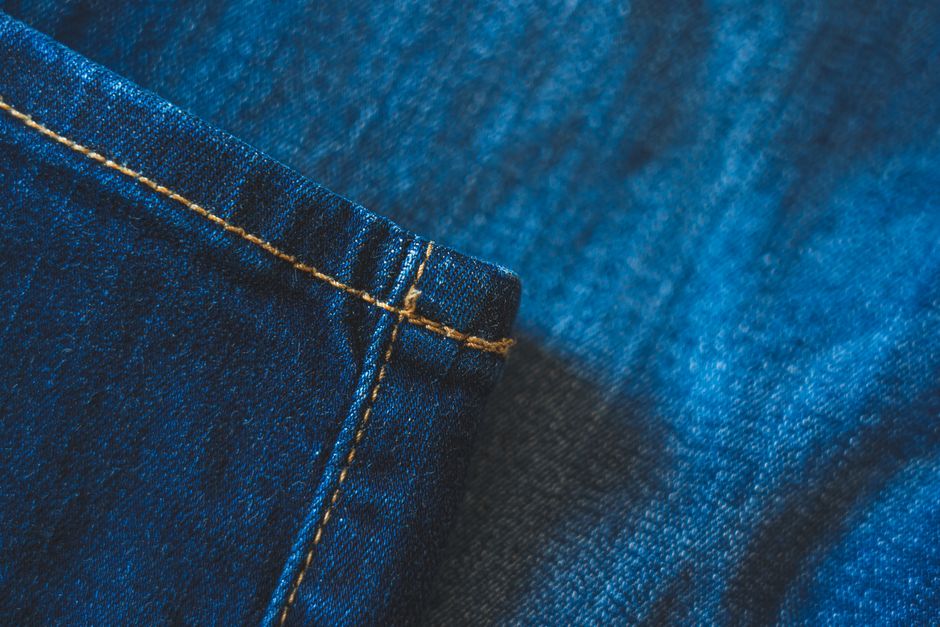
Outerknown, founded by pro surfer Kelly Slater, focuses on regenerative cotton. Their Outerknown S.E.A. Jeans ($128) use cotton grown using cover cropping and no-till farming — methods that pull carbon back into the soil instead of releasing it. The fit is relaxed, the denim is 12 oz, and the back pockets are reinforced with bar tacks at all four corners. That small detail prevents the pocket sag that kills most jeans after two years.
Reformation takes a different angle: deadstock denim. Their Reformation Cici Jean ($128) is made from fabric left over from other brands’ production runs. No new cotton grown, no new water used. The downside? Deadstock means limited sizes and colors. If you see a pair you like, buy it fast — Reformation doesn’t re-stock deadstock styles. They also use a recycled polyester blend for the thread, which makes the seams slightly less durable than 100% cotton thread. Expect 3 to 4 years of regular wear instead of 5.
When NOT to Buy Responsible Denim
Responsible denim isn’t the right choice for everyone. If you change sizes every year due to weight fluctuations, spending $130+ on a pair of jeans that will sit in your closet is wasteful. In that case, thrift a pair of secondhand Levi’s for $20. The environmental impact of a used pair is near zero, regardless of the brand.
Also skip the expensive stuff if you work a job that destroys jeans fast — construction, welding, landscaping. The reinforced stitching on a $200 Nudie pair won’t survive a brush with a grinder any better than a $30 pair from a thrift store. Buy the cheap used pair, wear it to destruction, then repeat. That’s the most responsible cycle for heavy-use scenarios.
One more trap: buying “sustainable” jeans and then throwing them in the trash after two years because you didn’t like the fit. Fit matters more than fabric. A pair of 100% organic cotton jeans that don’t fit well will end up in a landfill just as fast as a pair of polyester-blend fast-fashion jeans. Try on multiple sizes. Walk around the store for 10 minutes. Sit down. If the waistband digs in or the crotch feels tight, move on. The most sustainable jeans are the ones you actually wear.
That $60 pair of mall jeans you bought last year? It’s already fraying at the cuffs. The crotch is thinning. In six months, you’ll toss it and buy another. That’s the fast-fashion cycle — buy cheap, wear briefly, replace endlessly. The brands in this guide break that cycle. They charge more upfront, but they build jeans that last five years or more. They fix them for free. They recycle them when they’re truly dead. That’s not marketing. That’s a different way of making clothes. And it saves you money and a planet’s worth of water in the long run.
