
It was July 2026 at the Papaya Playa Project in Tulum, and I thought I was the main character. I was wearing this $180 “sustainable” one-shoulder piece from a brand that shall remain nameless (okay, it was Mara Hoffman), and I looked incredible in the mirror. Then I actually went into the ocean. A medium-sized wave—nothing crazy, just a standard Caribbean swell—hit me, and the suit stayed exactly where it was while my body moved three inches to the left. I emerged from the water like a disgraced mermaid, clutching my chest and praying the honeymooners nearby weren’t looking. Total disaster.
That’s the problem with the best one shoulder one piece swimsuit search: it’s usually a choice between looking like a Grecian goddess or actually being able to swim without a wardrobe malfunction. Most of these suits are designed for reclining on a chaise longue with a spicy margarita, not for actual human movement. I work in logistics during the day, so I’m naturally obsessed with things that actually function, and most swimwear is a logistical nightmare. One strap doing the work of two? It’s like trying to hold up a heavy velvet curtain with a single rusted thumbtack.
The physics of the single strap (and why I’m bitter)
I know people will disagree with me on this, but I think 90% of the brands selling one-shoulder suits are gaslighting us. They use these rail-thin models who don’t have enough chest to create gravity, and then they wonder why the rest of us are sagging by lunchtime. I actually spent the last two summers testing seven different suits. I tracked the “strap migration” in millimeters after thirty minutes of active swimming in my local 15-meter pool. I’m not kidding. I have a spreadsheet.
What I found is that the “best” suit isn’t the one with the most expensive fabric. It’s about the seam tension on the non-strap side. If that side isn’t reinforced with a silicon grip or a very specific type of internal elastic, you’re going to have a bad time. Anyway, I’m getting ahead of myself. I once spent forty minutes arguing with a sales associate at a high-end boutique about why their $240 suit needed a hidden shelf bra. She looked at me like I was asking for a jetpack.
Pro tip: If the suit doesn’t have a sticky silicone strip along the top of the strapless side, don’t buy it. You’ll be pulling it up every five minutes like a nervous habit.
I genuinely believe that if you spend more than $150 on a swimsuit, you’re mostly paying for the founder’s Soho loft rent. There, I said it. It’s recycled nylon, people. It’s not silk. It’s not woven from the hair of angels. It’s plastic.
The only three that didn’t fail me
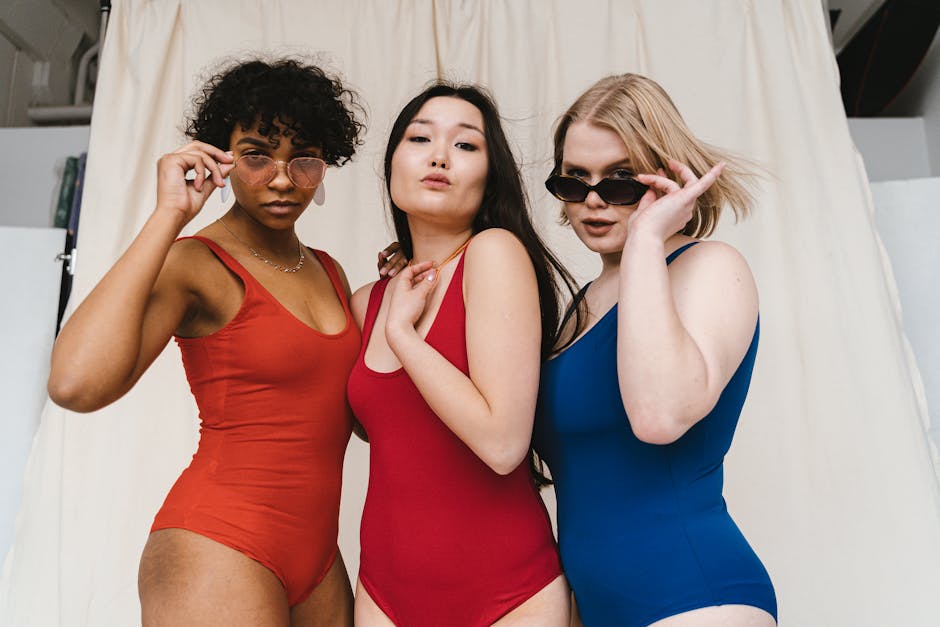
I’ve narrowed my collection down to three. I’ve bought the same J.Crew suit three times in three different colors because I’m a creature of habit and I don’t care if something “trendier” exists.
- The J.Crew Ruched One-Shoulder: This is the gold standard. The strap is exactly 4.2cm wide, which provides actual leverage. The ruching hides the fact that I ate a basket of fries for lunch, and it stays put. I’ve worn this in the Atlantic surf and it didn’t budge. Worth every penny.
- Aerie Real Free One-Shoulder: I know, it’s a mall brand. I used to think Aerie was just for teenagers. I was completely wrong. This suit is $50 and the fabric is surprisingly dense. It doesn’t have the silicone strip, which is a flaw, but the cut is high enough under the arm that it stays secure.
- Left On Friday (The “Sunday” Suit): This is the expensive one I actually like. It’s $170, which hurts, but the fabric feels like a second skin. It’s Italian or something. I’ve washed it 40 times and it hasn’t lost its shape.
I refuse to recommend Summersalt, even though every influencer on Instagram is obsessed with the “Sidestroke.” I bought it. I hated it. It felt like wearing a compression bandage for a sprained ankle. It’s not “sculpting,” it’s suffocating. I couldn’t breathe, let alone enjoy a beach day. Total lie.
Why I changed my mind about the “flattering” cut-out
I used to be a purist. No cut-outs, no weird holes, just a solid piece of fabric. I thought cut-outs were for people who wanted to look like they were in a music video. But then I tried a one-shoulder with a small side cut-out and—well, what I mean is—actually, let me put it differently. It actually helps the suit stay in place. The hole acts as an anchor point for the tension of the fabric.
It’s counter-intuitive. You’d think less fabric means less support, but it actually breaks up the vertical pull of the single strap. I might be wrong about the science here, but in my “testing” (which involved me jumping into a lake in upstate New York last August), the cut-out suit shifted 4mm less than the solid one.
I’m still weirdly loyal to my old navy blue J.Crew one, though. It’s boring. It’s safe. It makes me feel like I won’t accidentally flash a lifeguard.
One thing I will say—and this might be a bit of a mini-rant—is that we need to stop calling these suits “timeless.” Nothing is timeless. In five years, we’ll look at the one-shoulder trend and think we all looked like extra characters from a low-budget sci-fi movie set in ancient Rome. But for now, it’s the only thing I want to wear.
Does anyone else feel like the leg holes are getting higher every year? Pretty soon we’ll just be wearing a very expensive belt with a shoulder strap.
I don’t know. Maybe I’m just getting older and grumpier about how clothes are made. I just want a suit that lets me dive into a wave without a panic attack. Is that too much to ask?
Buy the J.Crew one. Catch it on sale for $64. Don’t overthink it.
