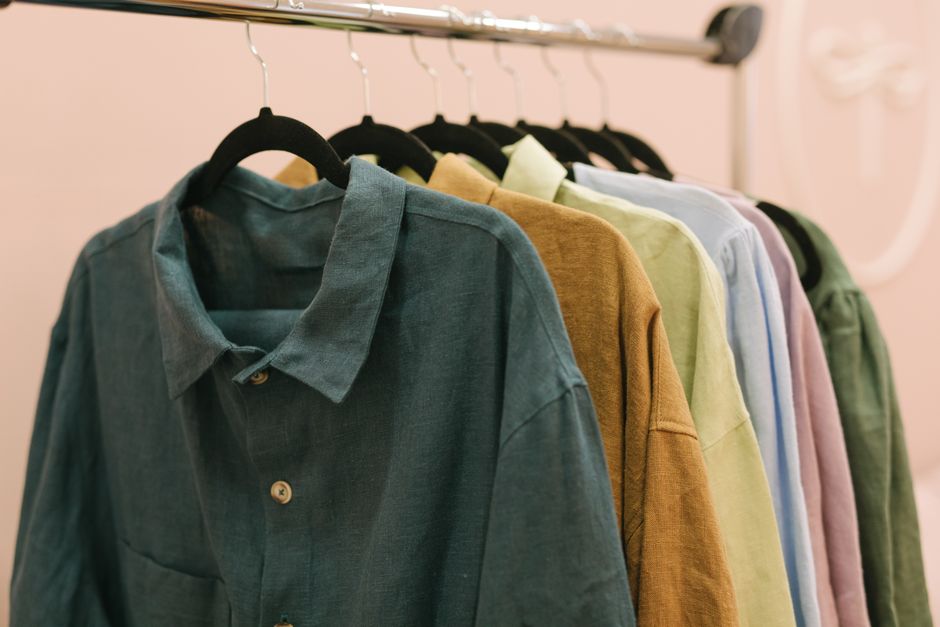
A summer garment can look light and still feel stuffy once you put it on. Often, the difference comes down to details beyond its fiber label: the density of the weave, the thickness of the material, and whether a lining blocks the air. Choosing breathable fabrics that keep you cool in summer means looking at the whole cloth, rather than searching for one perfect ingredient.
This guide focuses on recognizing comfortable materials when you shop or assess clothes you already own. With a few simple checks, you can compare fabrics more confidently and understand why two seemingly similar pieces feel different.
What makes a fabric breathable?
Breathability generally describes how readily air and moisture vapor can move through a material. Summer comfort also depends on absorbency, drying speed, weight, and how much fabric touches your skin. These qualities work together, but they are not interchangeable.
An absorbent material can take up perspiration yet remain damp for a while. A quick-drying fabric may release moisture readily but feel close and warm if its construction restricts airflow. Likewise, a cool first touch does not tell you everything about how something will feel after a walk outside.
Look for a balance of airflow, manageable weight, and comfortable contact with your skin. No material guarantees comfort in every setting, especially when the air is still or humid.
Linen: crisp texture and room for air
Linen is a useful starting point if you prefer cloth with some structure. Many summer linens have a relatively open weave, while their slight stiffness helps the fabric stand away from your body. That combination can feel pleasant when you want less material resting directly against your skin.
However, linen varies considerably. A heavy, densely woven version can feel substantial, while a fine version may be sheer. Compare the actual material rather than assuming that every garment with linen on its label will feel equally breezy.
Creasing is part of its character. Gently squeeze a small section in your hand to preview how the surface might look during wear. If pronounced wrinkles bother you, consider a blend, checking that the added fibers have not created a heavier or denser cloth.
Cotton: construction makes the difference
Cotton is familiar and absorbent, but its name covers an enormous range of fabrics. A thick sweatshirt and a fine blouse can share the same fiber while offering very different experiences in warm weather. Learn a few construction names to narrow your options.
Voile, lawn, and gauze
Cotton voile and lawn are often lightweight choices. Voile can be translucent, while lawn commonly has a fine, smooth surface. Gauze has an open, textured construction; double gauze combines layers, so check the thickness rather than assuming that the name guarantees maximum airflow.
Think about opacity before choosing the lightest option. If a sheer piece requires another substantial layer underneath, the finished combination may feel warmer than a slightly heavier, opaque fabric worn alone. Hold the material against your hand to assess how much shows through.
Poplin, jersey, and seersucker
Poplin typically has a smooth, crisp finish, though dense versions can feel less ventilated. Lightweight jersey offers softness and flexibility, but a close fit can keep damp cloth against your skin. Seersucker has a puckered surface that reduces continuous contact with the body.
Cotton can hold moisture and feel damp after perspiration. Consider whether that sensation bothers you and whether the garment has enough room to move away from your skin. Softness alone is not a complete measure of summer comfort.
Hemp: a textured alternative
Hemp fabrics can have a dry, structured feel similar to some linens. Their suitability for summer still depends on their weight and weave. A light hemp fabric is a different proposition from a thick canvas, even though the composition label may look similar.
Check softness wherever the material will rub, including necklines and inner seams. Some versions feel firm, and blends can change the texture considerably. Choose something that feels comfortable now rather than relying on a promise that repeated washing will eventually make it suitable.
Lyocell, modal, and viscose: softness and fluid drape
These regenerated cellulose fibers often appear in smooth, flowing fabrics. They can be appealing if you dislike crisp or textured cloth and prefer something that moves easily. However, the finished weave or knit matters just as much as the fiber name.
Watch how the material falls. A fluid fabric can settle closely against the body, particularly when damp. Lift and release a section to see whether it drops freely or hugs the shape beneath it. A little extra room can make a noticeable difference to the wearing experience.
Read the care instructions before deciding. Washing and drying requirements vary, and some garments need gentle handling to retain their shape. A comfortable fabric becomes more useful when caring for it fits naturally into your routine.
How to assess silk and synthetic fabrics
Fine silk can feel lightweight and pleasant, but dense construction or a full lining can limit that advantage. Satin describes a fabric construction, rather than a particular fiber. A shiny surface might be silk, polyester, or another material, so check the composition instead of judging by appearance.
Polyester and nylon also vary widely. Lightweight, open constructions can allow airflow, while dense versions may feel stuffy. Avoid treating the natural or synthetic label as a complete answer. Handle the cloth, inspect its thickness, and consider the finished garment.
Stretch can improve freedom of movement, but a stretchy piece that fits tightly may leave little room for air circulation. Check whether you need that close fit for the activity you have planned.
Five checks before you buy
Once you have found a fabric you like, inspect the garment inside and out. Small construction details can change how comfortable it feels, even when the outer material seems ideal.
- Feel the lining. Check its thickness and coverage. A full lining adds another layer between your skin and the air.
- Look toward the light. Inspect weave density and transparency. This helps assess construction, but it is not a reliable test of sun protection.
- Move around. Sit, reach, and walk. Notice whether fabric pulls tightly across your back, thighs, or underarms.
- Inspect bulky areas. Heavy pockets, embroidery, and doubled panels add material in specific places.
- Read the care label. Confirm that washing and drying the garment as directed will be manageable.
Use your wardrobe as a reference
Start with a garment you already enjoy wearing on warm days. Read its label and notice its weight, surface, weave, and drape. Those details create a personal reference that is more useful than a vague promise of cooling comfort.
When comparing something new, identify the improvement you want: less cling, a softer surface, or better opacity without a lining. Matching a fabric to that specific need makes choosing easier. You can then build on materials that already feel good against your skin.
