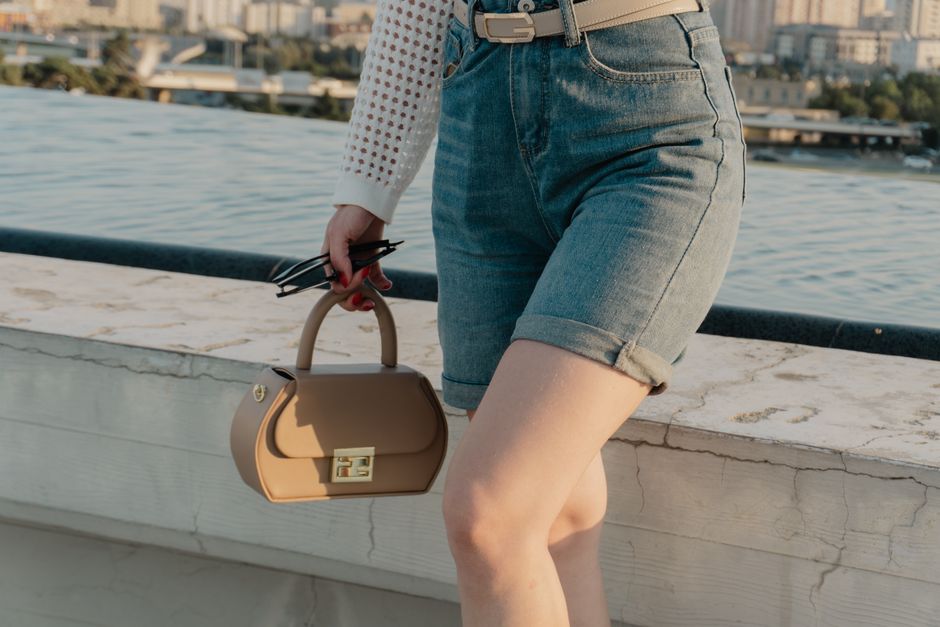
Shorts can feel just as considered as your favorite trousers when the fit, proportions, and finishing details work together. Grown-up summer style does not require a particular age, a prescribed hemline, or a wardrobe full of formal pieces. It simply means choosing shorts that suit your day and wearing them with intention. Whether you prefer a brief tailored pair or a relaxed knee-length cut, a few practical checks will help you build outfits that feel comfortable, balanced, and unmistakably yours.
Start with the fit you can move in
The most useful shorts are the ones you can sit, walk, and bend in without constant adjustment. Begin with the waistband: it should feel secure without digging in when you sit down. If you like tucking in a shirt, try the shorts with that shirt before deciding whether the waist has enough room.
Look at the front and back as well as the side view. Pulling across the hips, pockets that flare open, or fabric that bunches at the crotch can signal that the size or cut needs changing. Going up a size may help, but sometimes a different rise or a roomier seat is the better solution.
Choose your hem by trying, not guessing
There is no universally correct length for looking polished. Try a few hems while wearing the shoes you expect to use most. A shorter pair can look neat with a relaxed shirt; longer shorts can feel elegant with a simple fitted top. Pay attention to where the hem lands when you sit, too.
The leg opening matters as much as the length. If a hem grips your thighs or rides up as you walk, try a wider opening. If broad legs feel too voluminous, look for a straighter cut. Comfortable movement is a better guide than a rule about which bodies should wear which shorts.
Let the construction set the mood
Shorts borrow much of their character from their details. A clean waistband, discreet pockets, and a simple hem tend to feel more tailored. Drawstrings, exposed elastic, oversized cargo pockets, and raw edges read more casually. None of these details is wrong; they simply give you a starting point for the rest of the outfit.
For an easy introduction, choose a pair with minimal decoration and enough structure to hold its shape. Check light-colored shorts in daylight, including the pocket outlines and the view from behind. Lining or different underwear may help with transparency, but a more substantial fabric may be the simplest answer.
Denim works well for casual plans, especially with a finished hem and a wash you already enjoy wearing. Tailored woven shorts can cover lunches and informal evening plans. Soft pull-on styles suit relaxed days, and they can still look deliberate when paired with a tidy top and well-kept shoes.
Balance the shape of your top and shorts
Think about the outfit as a whole rather than judging each piece separately. When shorts have a wide leg or generous pleats, a top that sits closer to the body can make their shape easier to see. With narrower shorts, a loose shirt can bring a pleasing sense of ease.
Give the waist a clear place in the outfit
A full tuck works well when your top is thin enough to sit smoothly inside the waistband. A partial tuck can suggest the waist without making the outfit feel too arranged. If either creates bunching, try a top that ends near the waistband and wear it untucked.
You do not need to define your waist to look put together. A straight shirt over straight shorts can look relaxed and coherent. Check that the shirt leaves enough of the shorts visible to make the proportions feel intentional, particularly from the side. Adjusting the shirt length often helps more than adding accessories.
Consider the neckline and sleeves
A plain crew neck, open shirt collar, or simple sleeveless neckline can all work. Choose the one that feels right with your shorts and the setting. If the bottom half has several details, such as pleats and a belt, a quieter neckline gives the eye somewhere to rest.
Choose shoes for the day’s activities
Footwear can shift the same shorts from errands to a relaxed lunch. Simple sandals keep the outfit easy, loafers add structure, and clean sneakers make sense when you expect plenty of walking. You do not need heels to make shorts feel dressed.
Try the shoes with the complete outfit rather than considering them in isolation. Substantial shoes can balance longer, wider shorts, while a lighter sandal may suit a shorter hem. These are starting points, not obligations. The best pairing is one you like looking at and can comfortably wear through your plans.
If socks are visible, make them a deliberate part of the outfit. A plain pair that relates to your shirt or shoes can look cohesive. Before leaving, check whether the socks bunch or slip; small adjustments can keep an otherwise simple combination looking tidy.
Build outfits around a specific occasion
Rather than trying to make one pair of shorts appropriate everywhere, decide what your day actually involves. These combinations offer useful starting points with pieces you may already own.
- A casual lunch: Straight tailored shorts, a tucked cotton shirt, flat sandals, and a compact bag. Loosen the tuck if the waistband feels crowded.
- A day of errands: Relaxed denim shorts, a plain T-shirt, sneakers, and a practical shoulder bag. Choose a tee length that does not need constant adjusting.
- An informal evening: Dark tailored shorts, a simple knit top, loafers or neat sandals, and one piece of jewelry you enjoy wearing.
- A relaxed weekend: Pull-on shorts, a sleeveless top, and an open shirt. Keep the shirt light enough to carry easily when you take it off.
For workplaces, restaurants, or events with stated dress requirements, check whether shorts are appropriate before planning the outfit. Tailoring can make them look sharper, but it does not change a dress code.
Use color and accessories to connect the pieces
Start with a color combination you already trust in other outfits. Navy with cream, olive with white, or brown with pale blue can be easy places to begin. If you enjoy brighter shorts, repeat a small amount of their color elsewhere or pair them with a familiar neutral.
A belt is useful when it improves the fit or gives a tucked top a clear finish. Otherwise, it is optional. Choose a bag that holds what you need without pulling awkwardly at the shirt, and add jewelry according to your taste. You do not need several finishing touches for the outfit to feel complete.
Make a final comfort check
Before committing to a combination, sit down, climb a step, and walk around. Check that the pockets lie comfortably, the hems stay where you want them, and the top remains manageable. If something needs repeated fixing at home, choose another pairing.
Once you find a combination that works, save a quick outfit photo for yourself. Repeat the proportions with another shirt or pair of shoes when you want variety. A dependable shorts outfit should make getting dressed easier, leaving you free to enjoy the day.
