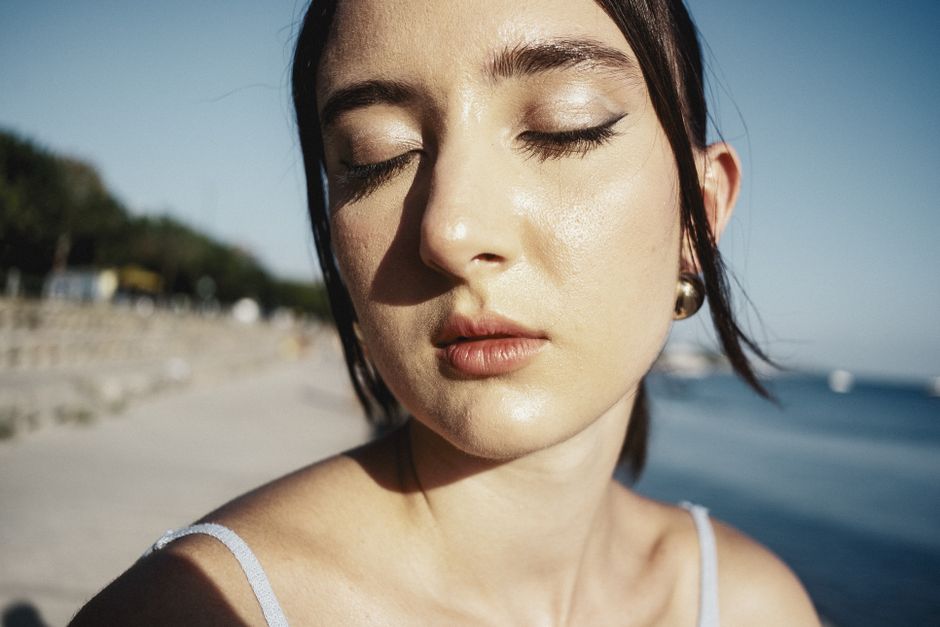
Warm weather can make your usual makeup feel heavier than you want. A base that looks smooth at breakfast may gather around your nose by lunchtime, while extra powder can turn a little shine into visible texture. Lightweight Makeup for Warm Weather starts with choosing where you want coverage, then applying thin layers that are easy to refresh. You do not need a completely new makeup bag. A few changes to placement, texture, and touch-ups can help you feel polished without feeling coated.
Decide what your makeup needs to do
Think about your day before reaching for foundation. A short commute and an afternoon indoors call for a different approach from a long walk or an outdoor celebration. Consider heat, humidity, time outside, and whether you will have somewhere to freshen up. Makeup can shift with sweat and friction, so leave room for a little change.
Choose the features you most want to emphasize. If you like defined lashes and a bright cheek, you might need very little base. If you prefer a more even-looking complexion, keep the eyes and lips simple. Lightweight makeup is about the amount you wear and where you put it, rather than a particular finish or coverage label.
Prepare your skin without piling on layers
Start with a gentle cleanse or your usual morning refresh, then use moisturizer where your skin needs it. Let each layer settle before adding the next. If the surface still feels slippery, applying makeup immediately may make blending harder. Avoid scrubbing away dry patches just before makeup; use a gentle approach and accept that some texture will remain visible.
Include sunscreen according to its directions, allowing it to settle before makeup. Keep it as a separate step rather than mixing it into foundation. Makeup with sun protection does not remove the need for a dedicated sunscreen routine. Plan outdoor touch-ups around the sunscreen label’s reapplication instructions, and use shade, clothing, and a hat as well.
Make primer optional
A primer is useful only if it solves a problem you notice. Try a small amount on an area where makeup tends to move, rather than automatically covering your whole face. If your existing preparation already gives you a comfortable surface, skip it. More layers create more opportunities for products to pill or feel heavy.
Use coverage where you actually want it
Begin with less base than you would usually apply. Spread a thin layer over the areas you want to even out, then soften the edges into bare skin. You can use clean fingers, a brush, or a clean makeup sponge, depending on the formula and your preference. Check the result in natural light before adding more.
A sheer base can work well, but you can also apply your existing foundation sparingly. A product described as lightweight may still feel uncomfortable if you build several layers. Conversely, a small amount of a more covering formula may be enough when you keep it to the center of your face.
Let concealer handle small areas
Place concealer only where you want extra coverage, such as around the nose or on an individual mark. Blend the perimeter carefully instead of spreading it across a larger area. Under the eyes, start with a small amount where you see shadow. Adding more across every crease can make the makeup more noticeable as your face moves.
Leave freckles, small variations in tone, and some natural texture visible if you feel comfortable doing so. You can look finished without making every part of your face look identical. This also makes small changes during the day less obvious.
Choose cheek color by how it wears on you
Cream, liquid, and powder blush can all belong in a warm-weather routine. Choose a texture that blends comfortably over your base. A cream may suit someone who likes a soft sheen, while a powder may be easier for someone whose cheek products tend to slide. Neither format guarantees better wear for everyone.
Apply a small amount and build slowly, checking both cheeks before adding more. If you use bronzer, keep the placement deliberate so you do not need another full layer to balance it. Highlighter is optional: your skin may develop enough sheen on its own. You can also keep luminous products away from areas where you dislike extra shine.
Keep eyes and brows easy to maintain
For a simple eye, blend a thin layer of shadow over the lid or use a little liner close to the lashes. Heavy layers of creamy products may collect in folds, so check how the formula behaves on your lids. If shadow regularly creases, try a small amount of eye primer and give it time to settle.
Choose mascara according to your plans and comfort. Water-resistant or waterproof formulas may be useful if your usual mascara smudges, but follow their removal instructions and avoid rubbing. Keep rich face products away from the lash line while applying your base. For brows, brush them into place and fill only the gaps you want to define.
Set selectively, then leave the surface alone
Use a light dusting of powder where you need it, such as beside the nose or across the forehead. Press or sweep gently with a small brush so you can control the placement. You do not have to powder your cheeks simply because you powdered your nose. Pause before adding another layer; a soft sheen may look more natural than a completely matte surface.
Setting spray is another optional step, rather than a promise that makeup will stay unchanged. Follow the product directions and keep your eyes closed during application. If a spray feels tight, sticky, or irritating, leave it out. A comfortable finish matters more than including every possible finishing product.
Build a small, useful touch-up kit
Choose a lip color you can refresh easily, whether that is a sheer lipstick, tinted balm, or softly blotted color. Keep your kit focused on the things you actually use:
- Clean tissues or blotting papers for gently lifting excess moisture and shine.
- A little powder for areas that still need it after blotting.
- Your chosen lip product and the sunscreen you need for reapplication.
When you feel sweaty, move somewhere cooler if possible and gently blot rather than wiping. Let your skin dry before assessing the makeup. Adding powder directly over a damp surface can leave uneven patches. If a small area has separated, soften or remove the loose makeup there and repair just that spot instead of adding coverage everywhere.
Finish the day with gentle removal
Remove makeup with a cleanser or remover suited to the formulas you wore, following the directions for eye products in particular. Wash reusable tools regularly and let them dry fully. Keep cosmetics out of direct sun and hot parked cars, and follow their storage instructions. If products cause irritation, stop using them; seek advice from a dermatologist or doctor for persistent redness, itching, or breakouts. Your best warm-weather routine is one that feels comfortable both while you wear it and after you take it off.
