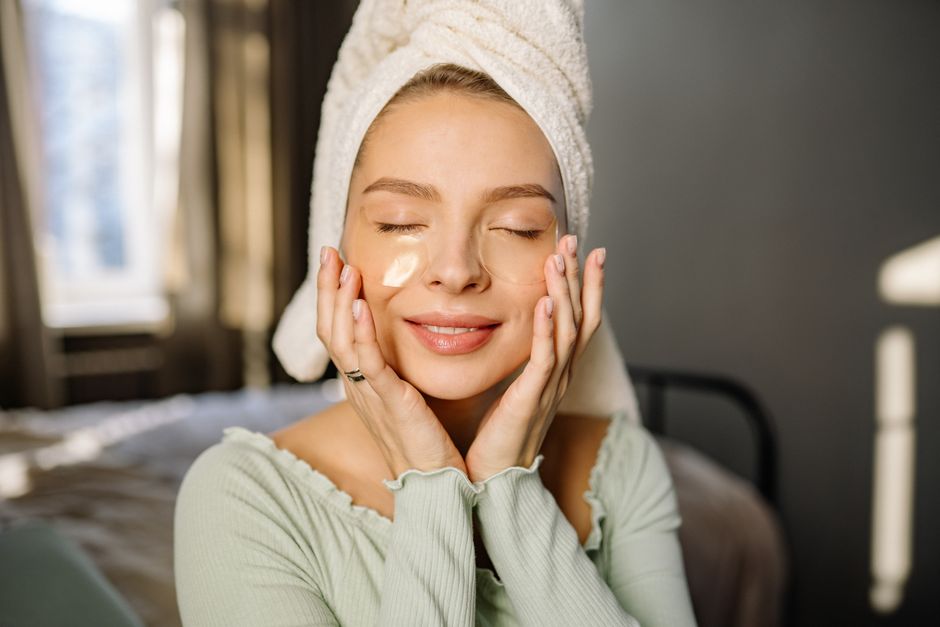
When seasonal allergies leave your eyes looking puffy, your usual beauty routine can suddenly feel like too much. Concealer settles differently, mascara becomes inconvenient, and even familiar skincare may feel uncomfortable. Managing the day starts with giving your eyes some breathing room. A simpler routine, gentler handling, and a few practical adjustments can help you get ready without making appearance the priority over comfort.
How to Manage Seasonal Allergies and Puffy Eyes in Your Routine
Build your routine around how your eyes feel that morning, rather than trying to follow every step automatically. On a comfortable day, your usual products may be fine. On a day with watering, itching, or swelling, leave eye makeup aside and keep skincare away from irritated areas. You do not need to compensate for puffiness with more products.
Keep expectations realistic, too. Makeup can change the appearance of shadows, but it cannot address the reason your eyelids are swollen. Eye creams and facial tools are not substitutes for appropriate allergy advice.
Check what has changed before reaching for concealer
If you already have a diagnosed seasonal allergy, follow the advice your clinician has given you. If the puffiness is new, avoid assuming pollen is responsible. A recently introduced cosmetic, an uncomfortable contact lens, or another eye problem can call for a different response.
Make a brief note of when symptoms appear, whether both eyes are affected, and which products you used. This is useful information to bring to an appointment, rather than a way to diagnose yourself. Include any new makeup remover, lash adhesive, facial spray, or hair product that could have reached the eye area.
Know when to pause the beauty routine
Seek urgent medical advice for eye pain, changes in vision, marked redness, or sensitivity to light. Sudden swelling with breathing difficulty needs emergency help. If swelling keeps returning, persists, or is accompanied by an eyelid rash, arrange an assessment with a doctor or eye care professional. A dermatologist can advise on persistent irritation of the surrounding skin.
Start the morning with gentle handling
Wash your hands before touching your face. If your eyelids feel uncomfortable, rest a clean cloth dampened with cool water over your closed eyes for a few minutes. Keep the pressure light, use a freshly cleaned cloth each time, and stop if it feels unpleasant. Avoid applying ice directly to the skin.
Resist rubbing or kneading the area. Rubbing can worsen irritation and swelling, so set aside eye rollers, massage tools, and vigorous facial massage while symptoms are active. There is no need to work at the puffiness until it disappears.
For washing, use lukewarm water and a gentle cleanser you already tolerate, keeping cleanser out of your eyes. Pat the surrounding skin dry with a clean towel. If you are short on time, make the routine smaller instead of moving faster and rubbing harder.
Give the eye area a quieter skincare routine
Keep your usual tolerated moisturizer on comfortable facial skin, applying carefully around the eye area according to its directions. Avoid getting creams into your eyes or applying ordinary facial products along the lash line. If a product stings, stop using it rather than covering the sensation with another layer.
During an uncomfortable spell, put exfoliating acids, scrubs, retinoids, and strongly fragranced products aside around the eyes. This is also a good time to postpone experimenting with eye masks or unfamiliar serums. Introducing several things together makes it harder to identify what caused a reaction.
- Choose familiar products with straightforward application steps.
- Use clean fingertips and avoid pulling at delicate eyelid skin.
- Keep facial mists and setting sprays away from irritated eyes.
- Avoid homemade eye treatments, essential oils, and food-based compresses.
Continue sun protection on skin that tolerates it, following the product directions and avoiding eye contact. Sunglasses and a hat are useful additions outdoors. If sunscreen repeatedly irritates the eye area, ask a pharmacist or dermatologist for guidance rather than repeatedly retrying it.
Adapt makeup to your comfort level
When your eyes are actively itchy, red, or watering, skip eye makeup. Trying to make mascara last through persistent watering often leads to more touching and a more demanding removal routine. You can still enjoy getting ready by focusing on a lip color, your hairstyle, or an outfit detail.
Use concealer selectively when skin feels comfortable
If the skin beneath your eyes feels normal and you choose to wear concealer, apply a thin layer only where you want to soften discoloration. Place it below the lash line and tap gently without stretching the skin. Check the result in daylight before adding more.
Heavy coverage can collect in folds and make texture more noticeable. Concealer also cannot flatten swelling, so aim for a finish you find comfortable rather than trying to erase every sign of puffiness. Skip it entirely on sore, flaky, or irritated skin.
Make removal part of the decision
On days when your eyes feel settled enough for makeup, think about how you will remove it later. Avoid choosing a long-wear formula simply because your eyes might water. If removing it requires repeated rubbing, it may be an inconvenient choice for a sensitive day. Follow removal instructions and stop if discomfort starts.
Reduce everyday contact with possible triggers
When pollen is a known trigger for you, check local pollen information before planning outdoor activities. Consider keeping windows closed when levels are high. After time outside, wash your hands before touching your face and change out of outdoor clothing before settling into bed.
Give the objects near your face some attention as well. Clean glasses, wash pillowcases regularly, and keep makeup brushes clean and fully dry before using them. Avoid sharing eye makeup or towels. Follow cosmetic storage and replacement instructions, and discard products that have changed in smell or texture.
Keep a clean cloth, tissues, and your glasses somewhere convenient. A small amount of preparation makes it easier to leave your eyes alone during a busy day instead of wiping them with sleeves or repeatedly adjusting makeup.
Keep eye care separate from beauty fixes
If you wear contact lenses and your eyes become irritated, remove them and use glasses while seeking advice about when to resume wear. Ask a pharmacist, optometrist, or doctor about suitable allergy care, including whether eye drops are appropriate. Mention contact lenses and any medicines you already use. Follow the supplied instructions rather than borrowing someone else’s drops or using leftovers.
For an easy daily sequence, start with clean hands and a gentle wash, use a cool compress if comfortable, and keep skincare simple. Add makeup only where your skin and eyes feel settled. At night, remove it gently and prepare clean essentials for the morning. Let comfort guide each step, and seek professional advice when symptoms persist instead of adding another beauty treatment.
