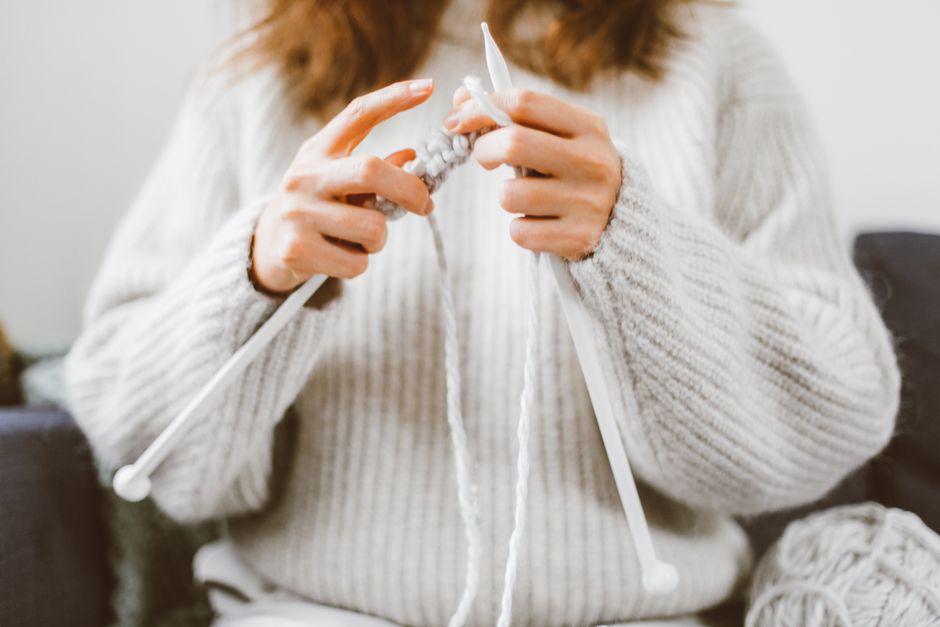
A chunky sweater can feel wonderfully easy until you add the rest of your outfit and everything seems to bunch together. The solution is usually a small adjustment to where the knit ends, how its sleeves sit, or what happens beneath the hem. Styling chunky knitwear without adding bulk means giving its texture room to stand out while keeping the surrounding pieces comfortable and clearly defined.
You do not need to hide your shape or wear tight trousers to make a substantial knit work. Start with the sweater you enjoy wearing, then check the places where fabric gathers. A few deliberate choices can make the whole outfit feel more balanced without taking away its relaxed character.
Find Where the Extra Volume Comes From
Chunky describes the appearance of the knit, but it does not tell you everything about its weight or shape. A loose, open stitch can look substantial while feeling light. A densely knitted cable sweater may hold a firmer outline. Try the garment on and look from the side as well as the front to see how it actually falls.
Notice whether the fabric hangs freely or catches at your waistband. Check the underarms, too: very low armholes can create folds around your torso when you lower your arms. A dropped shoulder can look beautifully relaxed, but if the shoulder line and sleeves both extend far beyond you, extra fabric may collect in several places.
- At the neck: a tall collar folded repeatedly can become the busiest part of the outfit.
- At the waist: a firm ribbed hem may push the body of the sweater upward.
- At the wrists: long sleeves can gather into thick rings above the cuffs.
These details are not faults. They simply show you where an adjustment will have the most effect.
Choose a Hem Position That Falls Cleanly
The hem acts as a boundary between your knitwear and the rest of your clothes. If it lands directly over a bulky waistband, front pockets, or gathered fabric, those layers can stack together. Move the hem slightly higher or let it hang lower and see which position creates fewer folds.
Let shorter knits hang naturally
A sweater that finishes near the top of your trousers often needs no tuck at all. Pair it with a waistband that stays comfortably covered when you move, if that is your preference. Raise your arms and sit down before deciding: a hem that looks perfect while standing still may need constant adjustment during the day.
Use a small tuck only when it helps
With a longer sweater, tuck a narrow section at the front and gently loosen the fabric above it. This can reveal the waistband without pushing the entire hem inside your trousers. If you feel a thick lump beneath the fastening, release the tuck. Dense knits often look cleaner worn loose than forced into a waistband with little spare room.
A full tuck is an option only when the knit compresses comfortably and the bottoms accommodate it. Treat it as a practical fit decision, rather than a requirement for looking polished.
Give the Lower Half a Clear Shape
You can pair chunky knitwear with slim, straight, or wide trousers. The useful distinction is how smoothly the fabric hangs. A straight leg with an uncomplicated waistband provides a clear line beneath a textured sweater. A very soft trouser with deep gathers may introduce more folds exactly where the sweater ends.
For wide trousers, try a shorter knit or a hem that rests without pooling at the hips. Let the trouser legs fall freely, and check that their hems do not pile heavily over your shoes. Generous shapes can work together when each garment has enough space to hang as intended.
With a closer-fitting lower half, keep comfort central. You should be able to sit and bend easily. The contrast in volume comes from the outline of the clothes; it does not require a waistband that digs in or fabric that pulls across your legs.
Reduce Fabric Buildup at the Sleeves and Neck
Sleeves deserve a separate check because their volume sits beside your torso. If the cuffs cover your hands, fold them back once along the existing ribbing. Repeated rolling can create a thick band that feels awkward under outerwear. Pushing sleeves up works best when the cuffs stay in place without squeezing.
For a substantial roll neck, try one loose fold rather than several tight turns. Let a soft collar settle naturally instead of arranging it into a rigid tube. If you dislike the feeling of fabric around your face, a chunky crew neck or open neckline may be easier to wear than continually adjusting a high collar.
Keep accessories around that area simple. A thick scarf over a tall knitted collar can restrict movement and crowd the neckline. Add the scarf when you need the warmth, then loosen or remove it indoors.
Leave Enough Room Inside Your Coat
A sweater can look perfectly balanced on its own and become uncomfortable beneath a close-fitting coat. Try the combination with the coat fastened. Reach forward, bend your elbows, and bring your arms across your body. Pulling at the upper arms or across the back suggests the layers need more room.
Look for sufficient space through the sleeves and armholes, rather than judging the coat only by its body width. A roomy torso does little to help a narrow sleeve accommodate a thick knit. A smooth coat lining can also make it easier for the sweater to settle when you put the coat on.
Keep any necessary layer beneath the sweater relatively smooth and comfortable. Avoid bunching at the underarms or waist, and straighten the layer before adding your knit. If the whole combination feels restrictive, choose a less substantial sweater for that coat.
Use Quiet Finishing Details
Chunky stitches already bring visual interest. Smooth trousers, a simple bag, and shoes with a clearly defined shape let that texture remain the focus. You can still wear color or substantial footwear; just check whether several competing details make the outfit feel busier than you want.
A crossbody strap can press a deep groove into a soft sweater or cause it to ride up. Adjust the strap so the bag rests comfortably, then check the hem after walking. If it keeps catching, carrying the bag by its handle may make the outfit easier to manage.
Make One Adjustment Before Starting Again
When an outfit feels too bulky, resist changing everything at once. Release a tuck, straighten the sleeves, or swap bottoms with a gathered waist for a smoother pair. Look again after each change so you can identify what helps.
Finish with a movement check: sit, reach, walk, and put on your outer layer. The best arrangement should stay comfortable without repeated pulling and smoothing. Once the fabric falls freely and the layers have room to move, your chunky knit can keep all its cozy character while feeling easy to wear.
