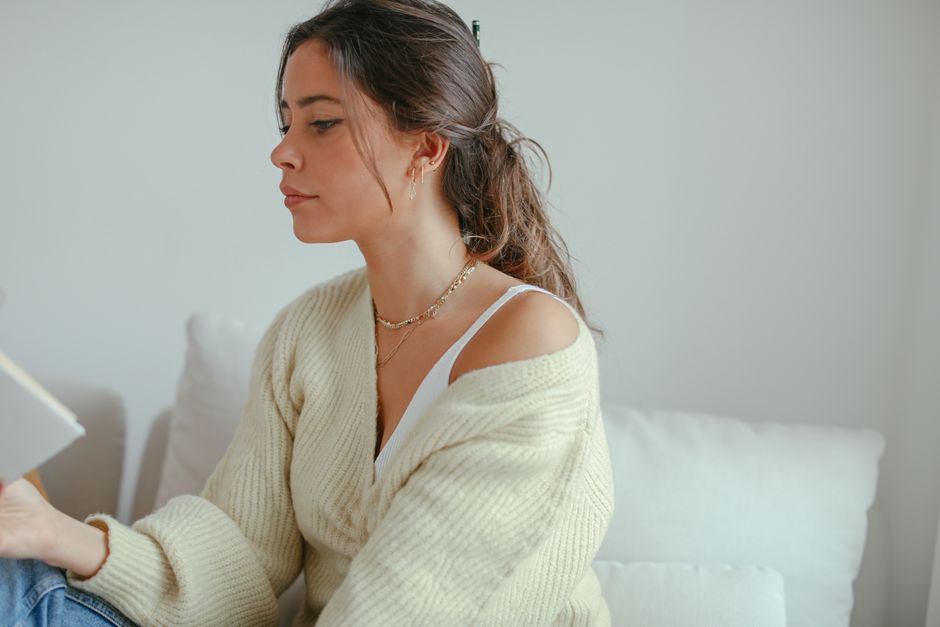
The morning feels cold, the afternoon turns mild, and a heavy coat looks wrong by lunchtime. A cardigan solves that awkward gap, but only when the rest of the outfit has enough shape and contrast. The best cardigan outfit ideas for cool days use one clear layer, one defined proportion, and shoes that match the level of polish.
Start With the Right Cardigan Shape for the Weather
The best cardigan is a temperature tool, not just a decorative layer. Its weight, length, and closure change how warm the outfit feels and how balanced it looks. A thin, close-fitting cardigan works indoors and under a jacket. A dense, oversized cardigan works as outerwear during a dry, mild spell. Mixing those roles creates most styling problems.
Choose weight before color
For cool mornings above roughly 12°C, choose a lightweight knit that sits close to the body. It can fit beneath a trench coat or structured blazer without bunching at the shoulders. Around 7–12°C, a medium-weight cardigan with a firm ribbed edge gives better insulation. Below that range, a cardigan needs help from a coat, scarf, or warm base layer. A cardigan alone will not replace a windproof outer layer.
Match length to the bottom half
A cropped cardigan looks strongest with high-rise trousers, straight-leg jeans, or a skirt that begins at the natural waist. The visible waistline gives the outfit structure. A hip-length cardigan is easier with wide-leg trousers and midi skirts because it ends near the widest part of the hip without covering the entire leg line. A long cardigan works best over a slim base layer, fitted trousers, or a column-shaped dress. Loose fabric on both the top and bottom can make the outfit look accidental.
Use texture to create interest
Smooth knitwear looks neat with denim, cotton poplin, or a crisp skirt. Chunky texture needs simpler pieces underneath. Pairing a thick cardigan with a ruffled blouse, patterned trousers, and statement shoes creates too many focal points. The strongest cool-day outfits usually have one soft texture, one firm texture, and one clean surface.
The clear winner for unpredictable weather is a medium-weight, hip-length cardigan with a defined shoulder and a neat front edge. It offers enough warmth for the commute while still fitting under a coat later.
Which Cardigan Outfit Formula Works for Each Cool-Day Setting?
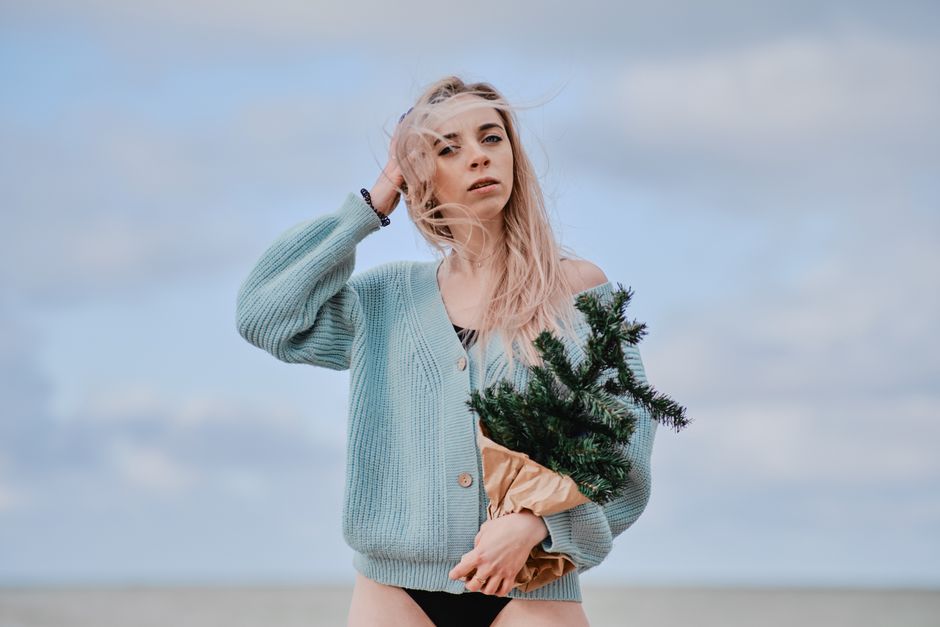
Use the setting first, then choose color and accessories. These formulas give each cardigan a job instead of treating it as a random extra layer.
| Setting | Cardigan formula |
|---|---|
| Cool office morning | Fine cardigan, tucked blouse, straight trousers, loafers |
| Weekend walk | Chunky cardigan, fitted long-sleeve top, relaxed jeans, ankle boots |
| Casual dinner | Buttoned cardigan, satin-look skirt, low heel, small shoulder bag |
| Rainy commute | Thin cardigan, shirt, water-resistant coat, practical boots |
| Outdoor event | Long cardigan, fitted dress, belt, weather-ready shoes |
For an office, the straight-trouser formula is the strongest choice because it keeps the cardigan from looking too relaxed. For a weekend, texture matters more than precision. The fitted base layer stops an oversized knit from swallowing the outfit.
Color should support the setting. Charcoal, navy, oatmeal, and muted olive pair easily with denim and black. Cream creates a brighter effect but needs a darker lower half to prevent the outfit from looking washed out. A colored cardigan can act as the main focal point, so keep the other pieces quiet.
Build a Polished Cardigan Outfit in Five Steps
- Pick the base layer first. Start with a fitted T-shirt, fine turtleneck, buttoned shirt, or simple dress. The base layer should lie flat beneath the cardigan. Avoid thick sleeves unless the cardigan has a roomy armhole.
- Set the proportion. If the cardigan is oversized, choose a slimmer or straighter bottom. If the cardigan is cropped, choose a high-rise bottom. If both layers are loose, add a visible waistline with a tuck or belt.
- Create one color bridge. Repeat one color in two places, such as dark shoes with a dark belt or a cream cardigan with a cream scarf. This small connection makes mixed pieces look intentional.
- Control the neckline. A V-neck cardigan suits a crew-neck base layer when a narrow strip of the shirt remains visible. A high-neck base works under an open cardigan. Avoid competing necklines that leave a crowded patch around the face.
- Finish with practical shoes. Ankle boots add weight and warmth. Loafers keep the outfit sharp during mild weather. Clean sneakers make jeans and a cardigan feel modern, but the rest of the outfit should stay streamlined.
Use this order every time the outfit feels unfinished. Most cardigan problems start with proportion, not a lack of accessories.
For a quick weekday combination, try a fitted black base layer, a medium gray cardigan, high-rise straight trousers, and ankle boots. For a softer weekend version, switch to a striped base, relaxed denim, and a textured cardigan. Keep the bag simple so the knit remains the main visual feature.
Do not button every cardigan by habit. Buttoning the middle creates a waist point, while leaving the front open creates a longer vertical line. Choose the option that fixes the outfit’s shape. The buttoned version is better for a shorter torso or high-rise trousers. The open version is better when the base layer and bottom already form a clean column.
Cardigan Styling Questions, Answered
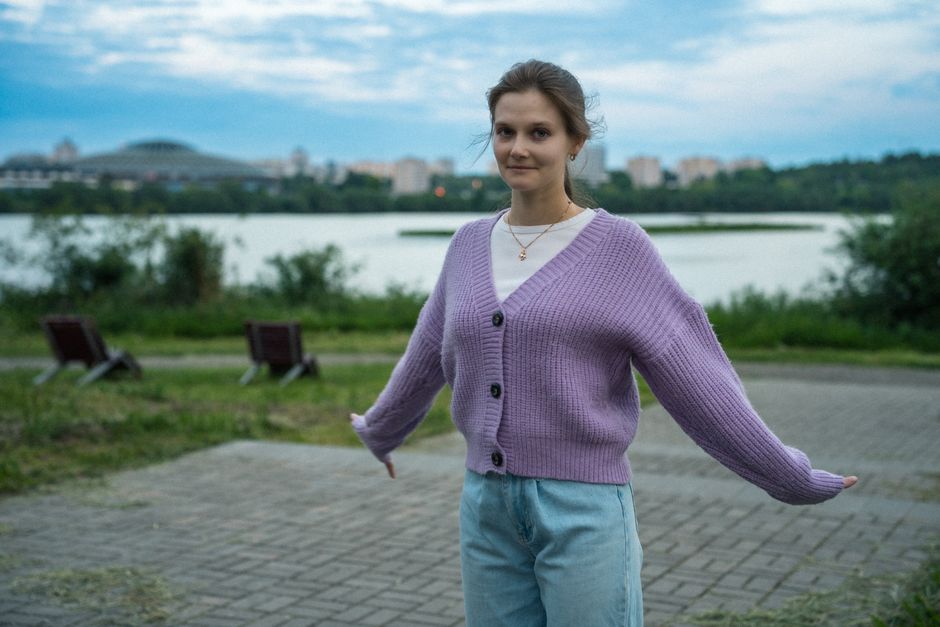
Can a cardigan look smart enough for work?
Yes, if the cardigan has a clean edge and the rest of the outfit includes one tailored piece. Wear it with straight trousers, a crisp shirt, or a narrow midi skirt. Avoid stretched cuffs, oversized pockets, and very slouchy shoulders in a formal setting. The most reliable work combination is a fine-gauge cardigan worn open over a shirt, with the shirt hem tucked and the sleeves kept neat.
How can a cardigan outfit look less bulky?
Use only one generous layer. A loose cardigan over a fitted base and straight trousers looks relaxed but controlled. Push the sleeves slightly above the wrist, leave the neckline visible, and avoid long tops that hang several inches below the cardigan. A front tuck also gives the eye a clear starting point.
What should be worn with a long cardigan?
Choose a narrow shape underneath. Slim trousers, leggings with a longer tunic, or a straight dress keep the long layer from becoming shapeless. A belt works when the cardigan is soft and thin. It usually looks forced with a very thick knit. Keep the shoes grounded with boots, loafers, or a simple sneaker rather than a delicate flat that disappears under the extra length.
When should a cardigan be left at home?
Skip it during heavy rain, strong wind, or freezing temperatures unless it serves as an indoor layer under proper outerwear. Knitwear absorbs moisture and can lose its shape when exposed to wet weather. A water-resistant jacket is the better choice for the outside layer. A cardigan also adds little value when the outfit already has several bulky layers.
Common Cardigan Mistakes and the Best Fix for Each
Most failed cardigan outfits are easy to repair. The issue is usually a missing contrast: no waist, no texture change, no visible neckline, or no clear reason for the layer.
- Mistake: everything is soft and oversized. Fix it with straight trousers, a firm shoe, or a structured bag. One sharper element gives the knit a frame.
- Mistake: the cardigan ends at an awkward point. Fix it by changing the bottom rise or switching to a longer or shorter cardigan. The hem should either reveal the waist or create a deliberate long line.
- Mistake: too many colors compete. Fix it with a three-color limit: one main neutral, one supporting neutral, and one accent. This keeps a bright cardigan from looking disconnected.
- Mistake: the base layer bunches at the arm. Fix it with thinner sleeves or a cardigan with a wider armhole.
- Mistake: the outfit ignores the weather. Fix it with a real outer layer, not a second decorative knit. A cardigan is useful for flexible warmth, but it does not block wind or rain well.
Choose a different layer when the day demands stronger protection. A tailored jacket is better for a formal meeting. A rain shell is better for wet commutes. A scarf and coat are better for freezing temperatures. The cardigan wins on mild days when comfort, flexibility, and a softer silhouette matter most.
| Style goal | Best pairing |
|---|---|
| Polished work outfit | Shirt, straight trousers, loafers |
| Warm casual outfit | Fitted base, jeans, ankle boots |
| Longer silhouette | Column dress or slim trousers |
| Light layering | High-rise trousers or a high-waisted skirt |
For most cool days, the best overall formula is a medium-weight cardigan, a smooth fitted base, a defined waist, and shoes with enough structure to balance the knit. That combination stays comfortable during temperature changes while still looking planned.
