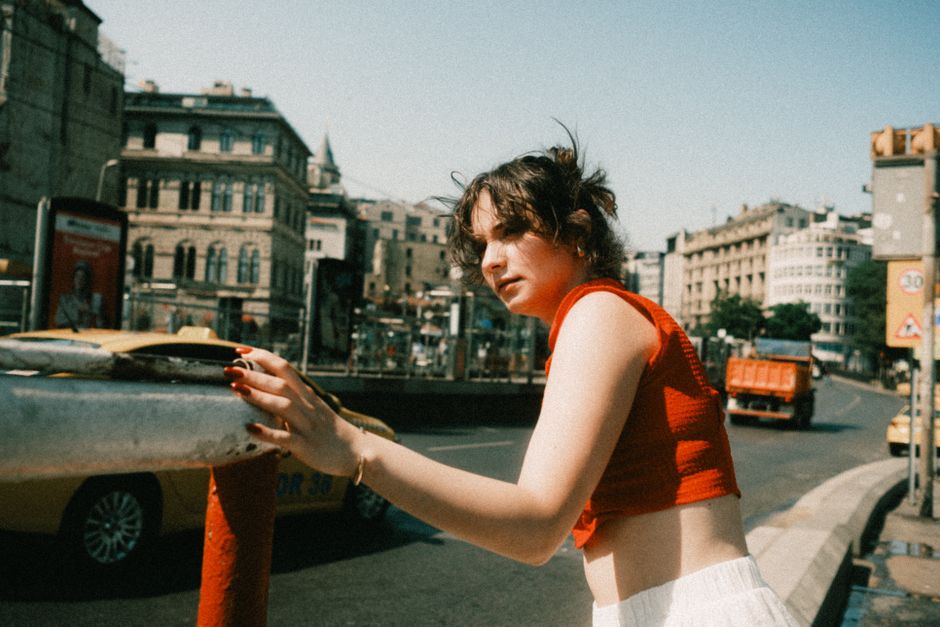
You leave home in a neat outfit, walk three blocks, and arrive with damp fabric stuck to your back, frizz around your face, and sweat marks where the clothes fit closest. The problem is rarely the temperature alone. Humidity slows evaporation, so your body loses less heat through sweat. A heavy, close-fitting outfit can feel warmer than a lighter outfit in direct sun.
The best hot-weather dressing system has three goals: let air move, give moisture somewhere to go, and keep fabric from pressing against the skin. That sounds simple, but many summer outfits fail because they solve only one problem. A thin top may still trap heat if it clings. A loose dress may feel cooler but offer no support or coverage for a long commute. A pale color may reflect sunlight while a dense synthetic fabric holds sweat.
This guide focuses on practical women’s styling for workdays, errands, travel, and casual plans. The strongest recommendation is clear: for most humid days, start with a loose woven top, a breathable lower half, a secure underlayer, and shoes that can handle damp feet.
Which Fabrics and Weaves Work Best in Humidity?
Fabric names help, but they do not tell the whole story. A loose weave in a natural fiber can feel cooler than a dense version of the same fiber. A very thin material can still cling if it has no structure. Judge the fabric by touch, movement, and drying behavior rather than by a label alone.
| Fabric or construction | Best quality for humidity | Common drawback | Best use |
|---|---|---|---|
| Linen or linen blend | Open texture and strong airflow | Wrinkles quickly and may feel rough at first | Loose shirts, trousers, dresses |
| Lightweight cotton | Soft feel and easy everyday wear | Can hold sweat and dry slowly | Relaxed tops and casual skirts |
| Rayon or viscose blend | Fluid drape and low visual bulk | May cling when damp and need gentle care | Loose dresses and wide-leg bottoms |
| Fine mesh or open knit | High airflow and quick heat release | May need a separate layer for coverage | Overlay shirts and casual layers |
| Dense stretch fabric | Shape retention and smooth appearance | Often traps heat against the body | Use sparingly for short indoor periods |
Choose the weave before the fiber
Hold the garment up to light. You do not need a transparent fabric, but you should see some evidence of air passing through the weave. A textured surface usually creates more space than a flat, tightly packed surface. Gently pull the fabric across your hand. If it immediately becomes shiny and sticks to your skin, it may feel uncomfortable around the torso.
Use moisture-prone areas as a stress test
Imagine the fabric under your arms, across your lower back, and behind your knees. Those areas need movement and drying room. A fabric that feels fine on a sleeve may become unpleasant across the back if the cut is narrow.
For commuting or travel, bring one light spare layer rather than wearing a heavy outfit from the start. The spare can replace a damp top after a long walk, while the original garment can air out.
Make wrinkling part of the plan
Loose, breathable clothing often wrinkles. That is a styling tradeoff, not a failure. Choose textured fabric, relaxed tailoring, or a deliberate half-tuck so small creases look natural. Pressing a garment too tightly against the body to keep it smooth usually creates more discomfort than the wrinkles would.
Five Outfit Formulas for Work, Errands, and Travel
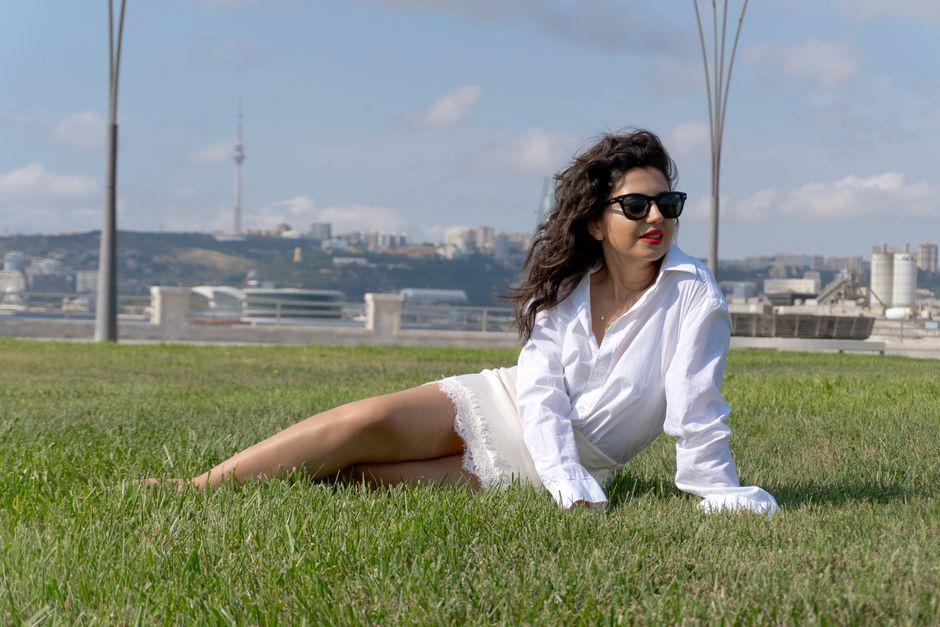
Hot-weather outfits work best when the shape is simple. Start with one breathable main piece, add one layer only if the setting requires it, and keep accessories light enough that they do not press against damp skin.
- For a warm office: Pair a loose short-sleeved woven shirt with a straight skirt that ends near the knee or a few centimeters below it. Add a light open layer for strong air conditioning. Keep the shirt untucked or use a partial tuck so the waist does not become a heat trap.
- For a long commute: Choose a sleeveless or short-sleeved top with wide-leg trousers and a structured but breathable overshirt. The trousers should skim the hips and fall away from the calves. Avoid a tight waistband under a bag or crossbody strap.
- For errands in direct sun: Wear a loose dress with a defined shoulder line, secure undergarments, and a lightweight layer that covers the upper arms. A hem around the knee or mid-calf offers coverage without sweeping across the ground.
- For a casual lunch: Combine a relaxed tank or tee with an airy midi skirt. Add a belt only if it does not compress the waist.
- For travel days: Use a two-layer system: a breathable base and an open button-front layer. Keep the base plain and the outer layer loose. This gives you a way to adjust in airports, cars, and cold indoor spaces without carrying a bulky jacket.
The clear winner for all-day comfort is the commute formula: a loose top, wide-leg bottom, and open layer. It handles walking, sitting, and temperature changes better than a fitted one-piece outfit.
Common Hot-Weather Dressing Mistakes
Most uncomfortable summer outfits fail in predictable ways.
- Wearing a tight base layer under a loose outfit: The outer garment may look airy, but a close underlayer can hold sweat against the skin. Choose a secure layer with enough room for movement and avoid extra fabric at the underarms.
- Choosing the thinnest fabric automatically: Very thin material can cling, show moisture, or need repeated adjustment. A slightly heavier open weave may feel cooler because it holds its shape away from the body.
- Ignoring friction: Bare thighs, rough seams, and narrow armholes can turn a short walk into a long day of discomfort. Test the outfit by sitting, climbing stairs, and lifting both arms before leaving.
- Using too many layers: Three light layers can still equal one heavy layer when air cannot move between them. In most settings, one breathable base and one open layer are enough.
- Picking shoes for appearance alone: Damp feet slide inside smooth shoes, while hard straps can rub quickly. Look for secure support, room at the toes, and materials that do not press on the same spot with every step.
- Forgetting the temperature change indoors: An outfit that works in full sun may feel cold under strong air conditioning. Carry one thin open layer instead of starting with a dense jacket.
The mistake to avoid above all others is dressing for a mirror view while ignoring movement. Humid-weather clothing must work when you walk, sit, sweat, and cool down.
Questions About Dressing for Humid Weather
Should you wear loose or fitted clothes in humidity?
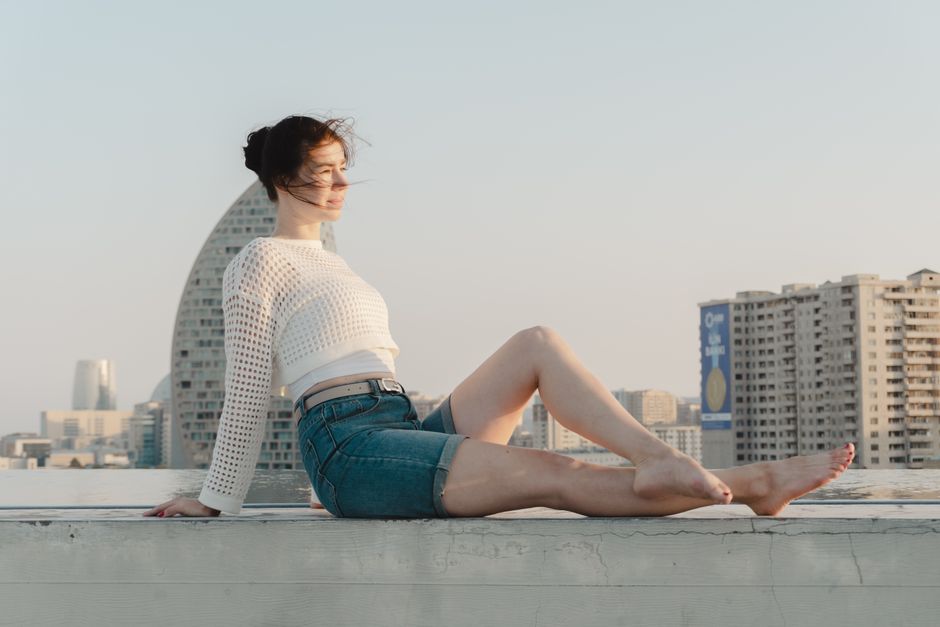
Choose loose clothing in the areas that sweat most: the back, chest, waist, and inner thighs. Fitted clothing can still work at the shoulders, cuffs, or ankles, where it gives shape without trapping much heat. The best fit leaves a visible air gap while keeping the garment secure during movement.
Are long sleeves a bad idea on hot days?
No. A loose, breathable long sleeve can protect the arms from sun and reduce the need for sunscreen on covered skin. Look for a wide sleeve, an open cuff, and a fabric that does not cling when damp. Tight long sleeves are the problem, not coverage itself.
What should you wear to look polished without overheating?
Use one structured detail, such as a defined shoulder, clean collar, sharp hem, or controlled tuck. Keep the rest relaxed. A loose shirt with a straight skirt looks polished without requiring a tight waist or several layers.
How can you dress for sweat without making the outfit look casual?
Use color, texture, and proportion. A textured woven top hides small creases better than a glossy flat fabric. A clean hem and simple jewelry can make breathable pieces look intentional. Keep the outfit to two main colors and one clear focal point.
Build a Repeatable Humid-Weather Wardrobe
You do not need a large wardrobe for hot, humid days. You need a few reliable shapes that can handle sweat, movement, and changes in temperature. Start with two loose tops, one open overshirt, one breathable dress or skirt, one wide-leg bottom, and one secure pair of walking shoes. Add color variation through accessories rather than extra layers.
A simple weekly rotation
| Day type | Main outfit | Adjustment layer |
|---|---|---|
| Office commute | Loose woven shirt and wide-leg trousers | Open overshirt for cold rooms |
| Outdoor errands | Breathable dress or relaxed top and skirt | Light sun-covering layer |
| Travel | Secure base top and easy trousers | Foldable open layer |
| Casual evening | Airy top and midi skirt | None unless the temperature drops |
When not to choose a loose dress
Skip a loose dress when you need to cycle, climb repeatedly, carry a heavy bag, or work in a setting that requires frequent bending. A two-piece outfit may give better control and easier adjustment. Choose trousers or shorts under a longer layer if inner-thigh friction is likely.
The final decision rule
For most women dressing for hot, humid days, the best default is a loose woven top, a breathable bottom with room at the waist and thighs, one secure underlayer, and supportive shoes. Add coverage through an open layer when sun or indoor cooling demands it. If the outfit stays comfortable after ten minutes of walking and still looks intentional when you sit down, it has passed the test. That formula is more dependable than chasing a trend, a fabric label, or a perfect wrinkle-free finish.
