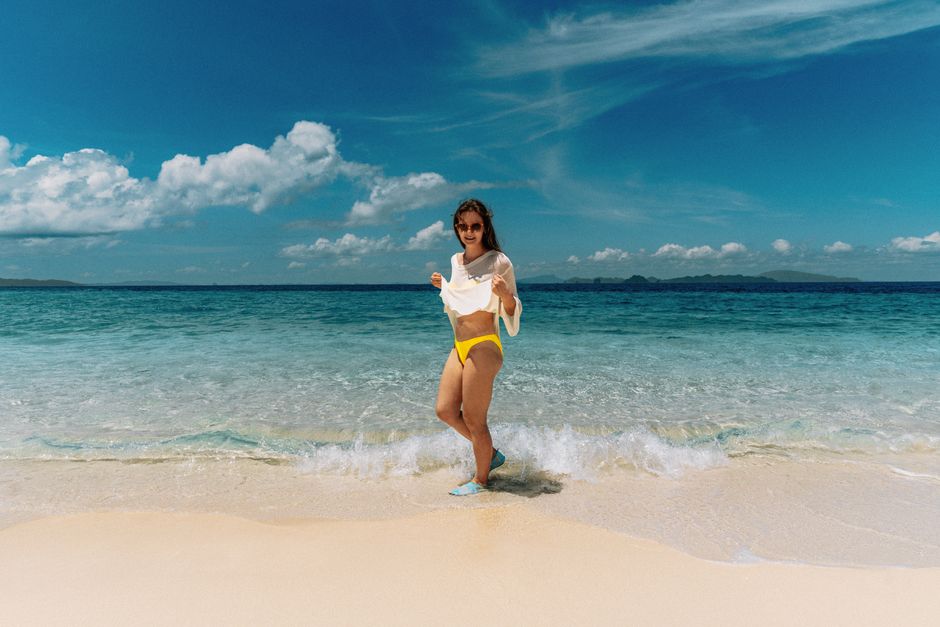
The best resort wear for a seaside holiday is light, breathable, easy to layer, and polished enough to move from the beach to dinner. Build outfits around a small group of useful shapes: a loose shirt, wide-leg trousers, a simple dress, a coordinated set, a lightweight skirt, and comfortable flat shoes. The goal is not to pack a different look for every hour. It is to create clothes that handle sun, sea spray, warm evenings, uneven paths, and sudden wind without looking thrown together.
A reliable holiday wardrobe also needs clear limits. Pack three main colours, choose fabrics that dry quickly, and bring pieces that work in at least two outfits. Natural fibres such as linen and cotton feel cool, while lightweight viscose and soft blends can reduce creasing. A thin layer matters because seaside temperatures often drop after sunset, even when the afternoon felt hot.
How to Build a Seaside Holiday Wardrobe
Start with three outfit jobs
Divide the wardrobe into three jobs: daytime exploring, beach or pool time, and evening meals. Daytime clothes need coverage and movement. Beach pieces should tolerate salt, sand, and repeated washing. Evening clothes can look more refined, but they still need to work in warm air and on outdoor terraces. This simple split stops you from packing several versions of the same outfit.
For a five-day trip, begin with two daytime bottoms, three tops, one dress, one skirt or pair of relaxed trousers, two swimwear options, one light layer, and two pairs of shoes. Add accessories only after the clothing works together. A scarf, woven bag, or simple earrings can change the mood of an outfit without taking much space.
Choose a controlled colour palette
Use one light neutral, one darker neutral, and one accent colour. Cream, navy, and coral create more combinations than six unrelated shades. The darker neutral helps with dinner and travel days; the light neutral reflects heat and keeps the wardrobe fresh; the accent gives plain outfits a clear point of interest.
The strongest resort wardrobe is interchangeable. A shirt worn over swimwear should also work with trousers. A skirt used for dinner should also pair with a vest top for a market visit. If a piece works only once, it earns less space in your case.
Which Outfit Formula Works for Each Holiday Plan?
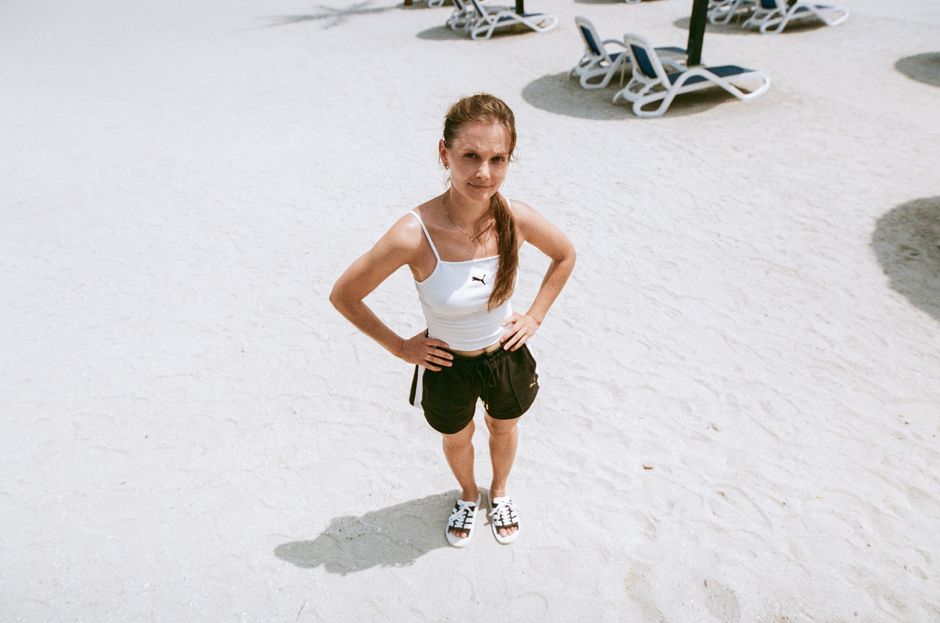
The clear winner for most seaside trips is the loose shirt and wide-leg trouser combination because it offers sun protection, airflow, and enough polish for casual restaurants.
| Holiday setting | Best outfit formula | Main styling detail |
|---|---|---|
| Beach walk | Swimwear, open shirt, relaxed shorts | Secure sandals and a soft tote |
| Boat trip | Fitted top, wide-leg trousers, light layer | Keep hems above the deck floor |
| Old-town sightseeing | Midi dress, flat sandals, crossbody bag | Add a hat with a firm brim |
| Sunset dinner | Column dress or skirt with a neat top | Use metallic or textured accessories |
| Cool evening | Trousers, sleeveless top, thin cardigan | Choose a layer that fits over the dress |
The best formula for mixed plans
For a day that includes sightseeing, lunch, and dinner, wear a simple base with one strong layer. A sleeveless top and relaxed trousers can handle walking, while an open shirt creates coverage in bright sun. At dinner, button the shirt, add earrings, and change from a practical tote to a smaller bag. This works better than carrying a complete second outfit.
The best formula for an active day
Choose a secure top, cropped or ankle-length trousers, and shoes with a firm sole. Avoid long trailing hems near boats, scooters, and steep stone streets. The most attractive outfit becomes a poor choice if you spend the day lifting the fabric away from the ground.
What to Wear on the Beach Without Looking Underdressed
A beach outfit needs more thought than swimwear plus a random cover-up. The right layer protects skin, creates a finished silhouette, and lets you walk to a café without changing completely. The best choice is usually an oversized shirt, a breezy tunic, or a relaxed matching set in a fabric that does not cling when damp.
Use proportion to create shape
Balance volume across the outfit. If the cover-up is long and loose, keep the visible swimwear or underlayer simple. If the shorts are wide, choose a top with a cleaner shoulder line. This prevents the outfit from looking bulky while preserving airflow. A shirt with sleeves rolled to the elbow also creates a clear shape around the arms.
Length matters near the water. A cover-up that ends around mid-thigh is easy to walk in and less likely to drag through wet sand. A longer dress creates more movement but needs a side opening, a lighter fabric, or a shorter underlayer. Check the hem before packing by walking quickly and sitting down.
Pick details that survive salt and sand
Use simple closures and fabrics that do not need delicate care. Large buttons are easier to handle with wet hands than tiny fastenings. A drawstring waist can adjust after lunch and does not depend on a perfect fit. Avoid heavy decoration, long fringe, and fragile trims for beach days because sand collects in them and salt water speeds up wear.
A beach cover-up should do three jobs: provide coverage, allow movement, and look acceptable away from the shore. If it performs only one of those jobs, leave it at home.
How to Style Resort Wear for Hot Weather
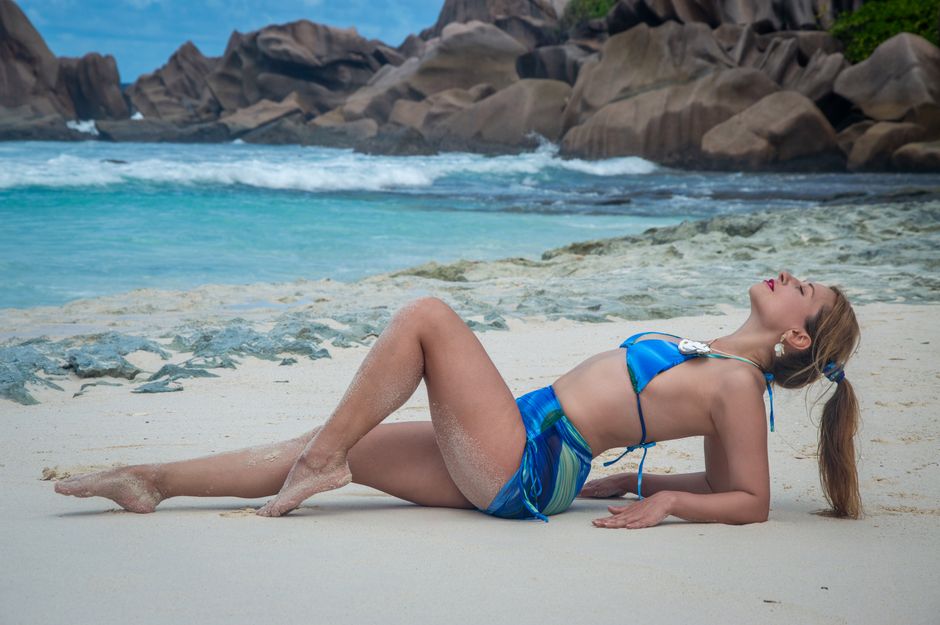
Hot-weather dressing works from first principles: air needs to move around the body, sweat needs somewhere to go, and the skin needs protection from direct sun. Loose shapes help with airflow, but oversized clothing alone does not guarantee comfort. A dense fabric can feel hotter than a closer-fitting piece made from a light, breathable weave.
Choose fabric by activity
For walking, choose linen, cotton, or a light woven blend with enough structure to keep its shape. For travel days, a soft blend with modest stretch can resist creasing and make sitting easier. For dinner, select a fabric that hangs well but does not trap heat. Very thin materials may feel cool, yet they can become transparent in strong light or cling after humidity rises.
Check the fabric in daylight before packing. Hold it near a window, press it in your hand, and release it. If it stays crushed after a few seconds, it may need more care than you want on holiday. If it becomes see-through, pair it with a full slip or select another layer. A practical wardrobe solves these issues at home.
Use coverage as a styling tool
Sun protection does not require heavy clothing. A loose long sleeve, wide-leg trouser, or broad-brimmed hat can cover skin while allowing air to circulate. Choose lighter colours for midday and save darker or richer tones for late afternoon. Sunglasses, a scarf, and a hat also add visual interest when the base outfit is deliberately simple.
Leave room around the neck, waist, and underarms. Tight elastic and dense synthetic fabric often feel uncomfortable as the temperature rises.
How to Pack Seven Resort Wear Looks in a Small Case
Start with the pieces that create the most combinations, then add only what solves a real gap. A compact seaside wardrobe might include three tops, two bottoms, one dress, one light layer, two swimwear options, one cover-up, two pairs of shoes, and a small group of accessories. This can produce a full week of outfits when the colours and shapes work together.
Use a seven-look packing plan
- Wear the light layer over a simple top and trousers for travel.
- Pair swimwear with the open shirt and relaxed shorts for the beach.
- Wear the midi dress with flat sandals for sightseeing.
- Combine the second top with wide-leg trousers for lunch.
- Use the skirt or trousers with the shirt tied at the waist for sunset.
- Wear the dress again with a scarf or cardigan for dinner.
- Repeat the strongest daytime combination with different accessories.
Check every item before it goes in the case
Try each outfit with the shoes and bag you plan to carry. Sit down, raise your arms, walk quickly, and check the hem. Look at the outfit in bright daylight as well as indoor light. These small tests reveal transparency, slipping straps, uncomfortable waistbands, and awkward proportions before departure.
Pack accessories inside the shoes or corners of the case, and roll soft items that do not crease easily. Keep one complete outfit in your personal bag in case the main luggage is delayed. The best final check is simple: every garment should work in at least two combinations, every shoe should be comfortable for a real walk, and every evening outfit should handle a cool coastal breeze.
