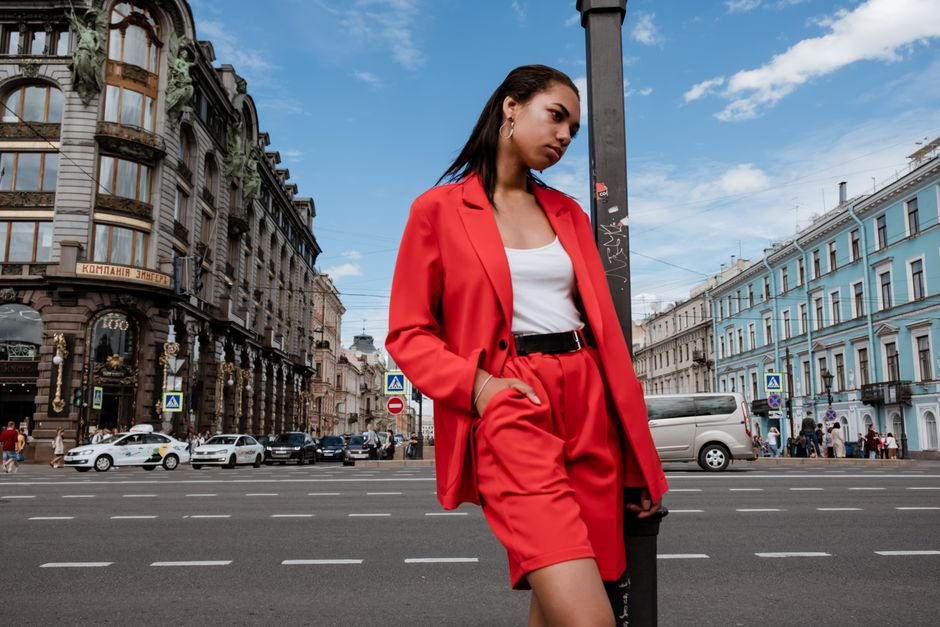
A matching set does not make an outfit look lazy or overly formal by itself. The result depends on proportion, fabric, styling tension, and how much visual contrast you add around the coordinated pieces. A cropped shirt with a high-waisted skirt creates a different effect from a loose jacket with wide trousers, even when both garments share the same color and material.
The strongest approach is simple: let the set provide the base, then decide how polished, relaxed, sharp, or playful the final outfit should feel. You do not need a full wardrobe of separate pieces to make coordinated separates useful. You need a clear plan for fit, texture, footwear, and the amount of matching you want to keep visible.
Why matching sets look polished without feeling formal
The coordination effect
Matching sets solve a basic styling problem: several clothing decisions become one visual decision. A shared color, print, or fabric creates a clear line from the top half of the body to the bottom half. That continuity can make an outfit look deliberate, even when the individual pieces have relaxed shapes. It also reduces the risk of clashing colors or competing patterns.
The effect works because the eye reads repeated details as order. Similar buttons, repeated stripes, or the same fabric weight can connect two garments. The set does not need to look perfectly identical. Small differences in shape often keep it from feeling like a uniform.
The separation effect
The real value of coordinated separates is that they can be worn together or split apart. A matching top may work with denim, a plain skirt, or tailored trousers. The matching bottom may work with a fine knit, a crisp shirt, or a simple tank. This gives the set more range than a one-piece garment while keeping the first outfit easy to assemble.
For the most versatile result, choose one set with a clear identity and neutral supporting pieces. A strong print needs calm accessories. A plain set can handle brighter shoes, a textured bag, or layered jewelry. The verdict is clear: matching sets are most useful when they create one polished outfit and at least two convincing broken-up outfits.
How to choose proportions that balance the outfit
Use the two-thirds visual rule
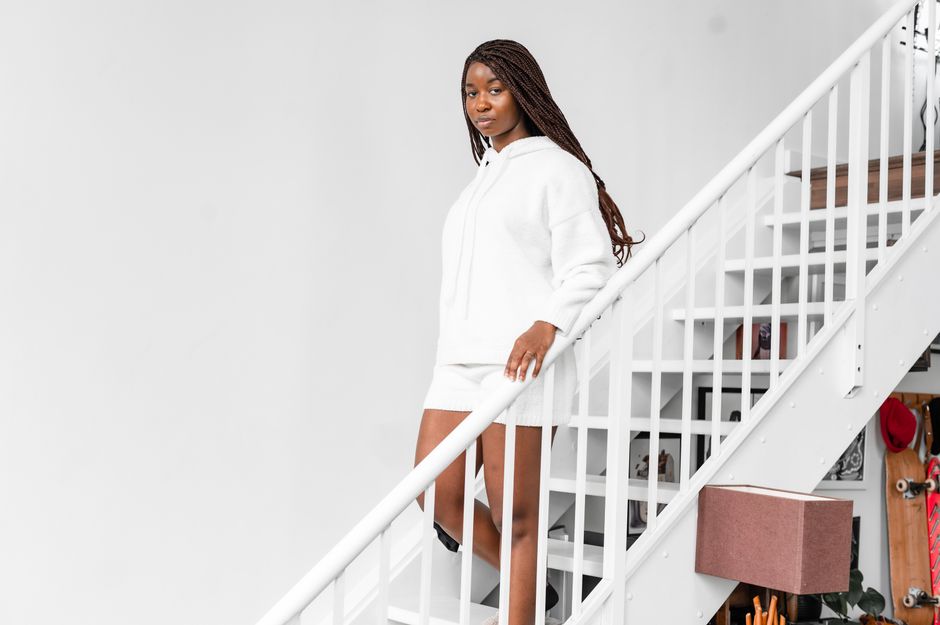
Proportion matters more than the label on the garment. A useful starting point is to let one part of the outfit occupy roughly two-thirds of the visible length while the other occupies one-third. This does not mean every outfit must follow a strict formula. It means the eye needs a clear dominant shape rather than equal blocks that cut the body into awkward sections.
A cropped top with a high-rise bottom creates a longer lower-body line. A longer jacket over a shorter skirt creates a strong outer layer and a visible leg line. A loose shirt and wide trousers can work when the waist, sleeve, or neckline supplies one defined point of structure.
Match the set to the visual break
| Set shape | Best visual break | Styling direction |
|---|---|---|
| Cropped top with high-rise bottom | Natural waist | Keep the top edge clean and use simple footwear |
| Long shirt with straight trousers | Mid-thigh or hip | Show the neckline or roll the sleeves to prevent a solid column |
| Short jacket with wide trousers | Waist or upper hip | Use a fitted base layer or a tucked hem underneath |
| Oversized shirt with short bottom | Upper thigh | Keep the legs visually open with low-profile shoes |
Take a quick mirror photo from a distance of several steps. The outfit should still have a visible shape when details disappear. If the top and bottom create one wide rectangle, add a waist break, expose the ankle, or change one piece to a narrower cut. The best choice for most wardrobes is a set with one relaxed element and one controlled element. Matching volume on both halves can look intentional, but it demands stronger styling.
Four practical ways to wear coordinated separates
For daytime errands and casual plans
- Keep the base relaxed. Wear the set with simple flat shoes, a soft shoulder bag, and minimal jewelry. Push up the sleeves or leave one button open so the outfit does not look too arranged.
- Add one casual texture. A canvas tote, ribbed layer, woven accessory, or soft knit can reduce the formality of a smooth matching fabric. Use one texture as the counterpoint; several can make the outfit look busy.
- Break the set with a plain layer. A neutral undershirt or lightweight cardigan creates separation between the coordinated pieces and the rest of the outfit. This is especially useful when the set has a bold print.
For work, dinner, and evening events
- Define the strongest line. For work, let the jacket, waistband, or collar provide structure. For dinner, let the neckline, sleeve, or exposed ankle create the focal point instead.
- Use controlled contrast. Choose accessories in a single supporting color rather than adding several competing shades. A dark shoe can sharpen a pale set; a metallic detail can lift a darker one.
- Change the mood with one swap. Replace flat shoes with a heeled or pointed shape, exchange a casual bag for a smaller structured one, or add a sharper outer layer. One deliberate change often works better than restyling every element.
The strongest outfit formula is not the most decorated one. It is the one where the matching set remains visible, the body has a clear shape, and one contrasting detail tells people how to read the occasion. For most daytime settings, choose ease. For evening, choose structure. That distinction keeps the same coordinated separates from feeling repetitive.
The mistakes that make a matching set look costume-like
Too much sameness
The most common mistake is repeating every visual detail at once. A matching print, matching accessories, matching shoes, and matching bag can remove all tension from the outfit. The eye has nowhere to land. This effect is strongest with large patterns, bright colors, or highly decorative fabrics.
Keep the set as the matching element and let the supporting pieces stay quieter. If the set has a strong pattern, choose solid accessories. If the fabric has shine, use a matte texture nearby. If the silhouette is oversized, keep at least one accessory compact. Contrast gives the outfit room to breathe.
Ignoring fit problems because the pieces match
Coordination cannot repair a poor fit. A shoulder that extends too far, a waistband that twists, or trousers that pool heavily at the ankle will remain visible because the matching fabric draws attention across the whole outfit. Check the top and bottom separately before judging them as a set.
Watch for four failure points: the shoulder seam, the rise, the seat, and the hem. The shoulder should sit close to the natural shoulder edge unless the oversized cut is clearly intentional. The rise should stay flat when sitting and standing. The seat should not pull across the hips. The hem should work with the shoes you plan to wear most often.
The practical verdict: reject any coordinated set that needs perfect styling every time to look presentable.
When a matching set is the wrong choice
Choose separates when your wardrobe needs flexibility
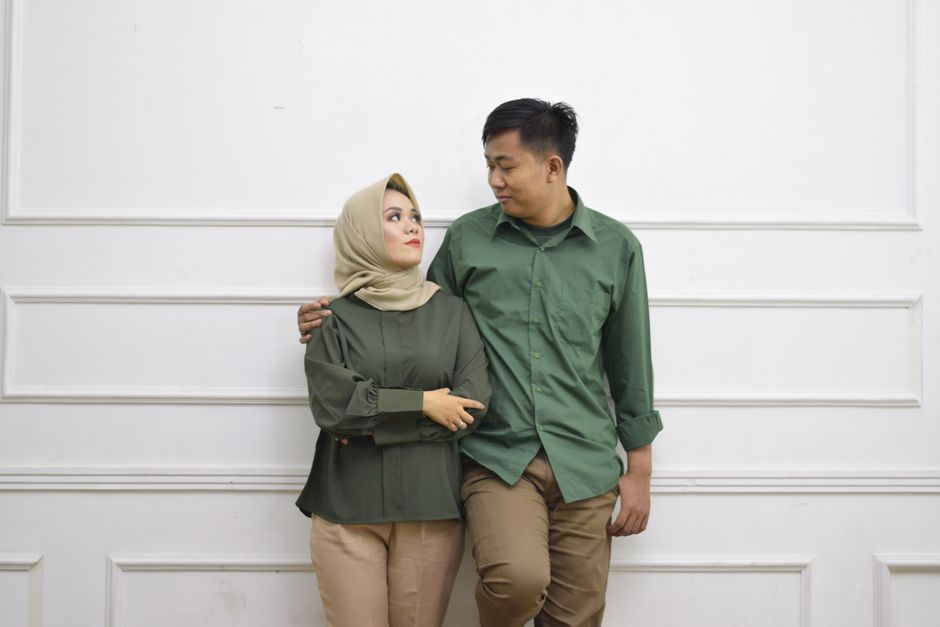
Choose separate garments instead when your proportions are difficult to fit off the rack. A coordinated set may have a perfect top and an unsuitable bottom, or the reverse.
Choose a different category when comfort is the priority
Some matching sets look polished while standing but restrict movement when walking, sitting, or reaching. Stiff fabric, narrow waistbands, and sleeves that pull across the back can turn a good visual idea into an uncomfortable daily outfit. For travel, long commutes, or active days, an intentionally mixed outfit may offer better ease.
The tradeoff is straightforward. Matching sets win on speed, visual order, and repeatable styling. Mixed separates win on fit control, movement, and long-term flexibility.
Matching sets: practical questions answered
Can a matching set look casual?
Yes. The fastest route is to change the accessories and expose more of the body’s natural shape. Flat shoes, a soft bag, rolled sleeves, an open neckline, or a simple base layer can make the same set feel relaxed. Avoid adding several polished details at once. One structured element is enough for most casual outfits.
How do you wear a matching set in different seasons?
Keep the set visible and change the layer around it. In warm weather, use the original top and bottom with open footwear and light accessories. In cooler weather, add a fitted layer underneath, a longer coat over the top, or a close-fitting knit near the neckline. The key is preserving one clear line from the coordinated pieces so the outfit still reads as a set.
Should accessories match the set?
They should relate to it, not copy it. Repeat one color from the pattern, echo the fabric mood, or use a neutral shade that lets the set lead. Exact matching can make the outfit feel staged. A small contrast usually looks more current and gives the pieces a stronger personal point of view.
