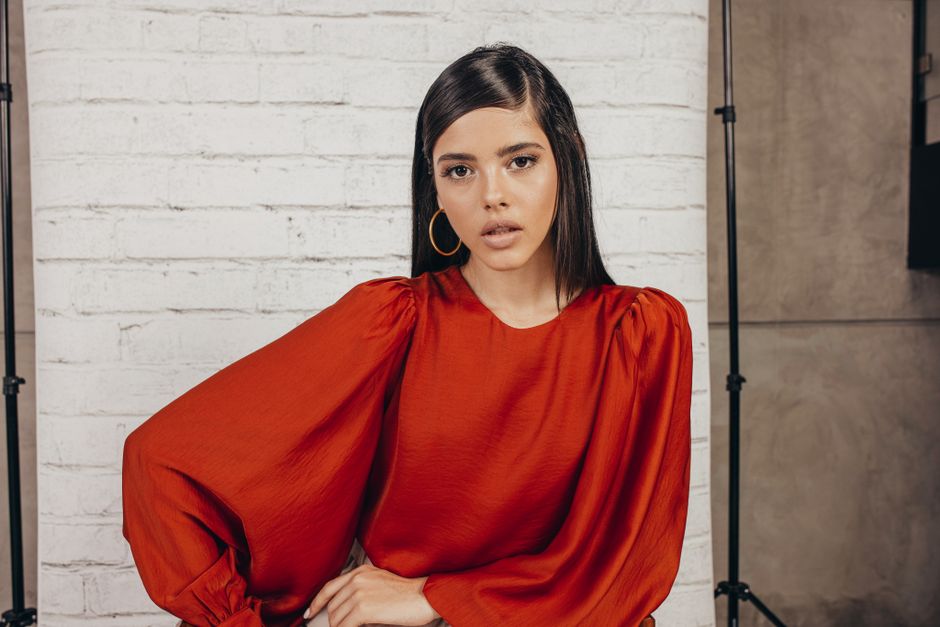
Statement sleeves do not require a dramatic personality or a special occasion. The common misconception is that the sleeve must be the loudest part of the outfit from every angle. In practice, the best styling gives the sleeve one clear job: add shape, movement, or contrast while the rest of the outfit keeps the eye focused.
The easiest way to make that happen is to control proportion. A full sleeve needs visual space below it. A sharp shoulder needs a calmer neckline. A ruffle needs clean lines somewhere else. The result feels deliberate instead of costume-like.
What Counts as a Statement Sleeve?
Start with shape, not decoration
A statement sleeve changes the outline of a garment. It may be wide from shoulder to wrist, gathered at the upper arm, split at the cuff, or built around a strong shoulder line. Decoration alone does not always create the effect. A small trim can remain quiet if the sleeve keeps a narrow shape, while a plain sleeve can feel dramatic when it creates a large curve around the arm.
The visual weight of the sleeve tells you how much calm the rest of the outfit needs.
| Sleeve shape | Visual effect | Common risk |
|---|---|---|
| Balloon | Rounded volume at the upper arm | Too much volume at both ends |
| Bishop | Soft fullness with a gathered cuff | Fabric bunching at the wrist |
| Ruffled | Texture and romantic movement | Too many competing details |
| Strong shoulder | Broad, tailored upper line | Shoulders appearing wider than intended |
Choose the visual message
Different sleeves create different impressions. A rounded sleeve feels relaxed and artistic. A crisp shoulder feels direct and polished. A long, fluid sleeve adds motion. Pick the message before choosing the rest of the outfit. That decision prevents random styling and makes the sleeve feel like part of a complete idea.
The Best Formula Is One Statement and Two Quiet Pieces
Make the sleeve the lead
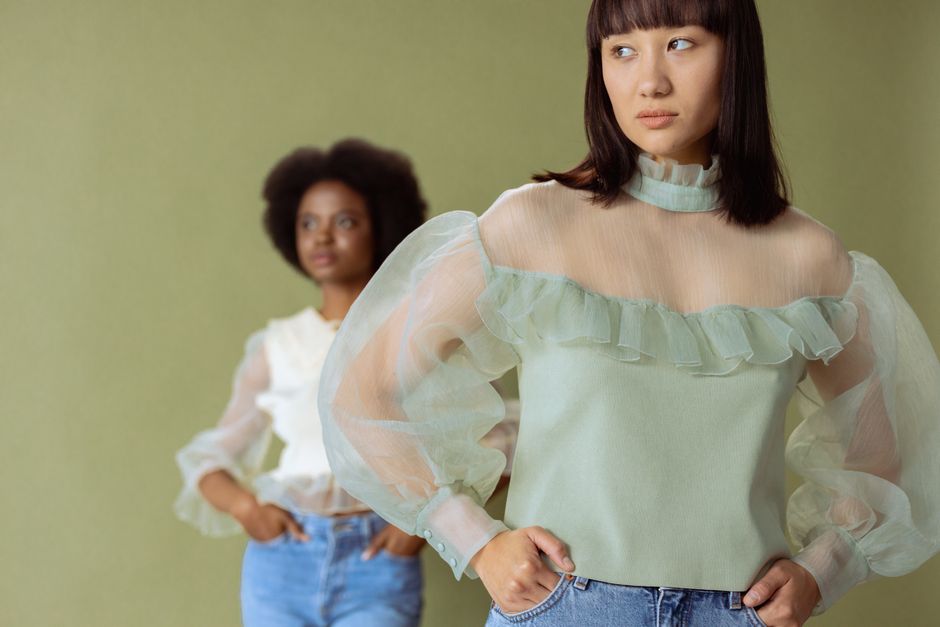
One statement sleeve with two quiet pieces is the most reliable formula. The quiet pieces do not need to be plain or boring. They need a controlled shape, limited surface detail, or a calm color relationship. A full-sleeve top can work with a straight skirt and simple footwear. A sharp shoulder can work with relaxed trousers and a small, clean bag. The sleeve stays visible because nothing else fights for the same space.
Repeat one detail, then stop
Repeat one feature from the sleeve in another part of the outfit. If the sleeve has a rounded shape, echo it with a curved neckline or rounded earrings. If it has a crisp cuff, repeat that sense of structure with a firm waistband. Keep the repeat small. Matching every detail makes the outfit look planned by rule instead of styled by eye.
Color can follow the same principle. A strong sleeve in a saturated color looks controlled with neutral separates. A sleeve in a soft color can handle more texture below, but the silhouette should stay simple. The goal is not to remove personality. It is to give personality a clear frame.
How to Balance Volume Without Losing Shape
Use the opposite line below the waist
Volume works best when the lower half gives the eye a different line. Wide sleeves usually need a straight, tapered, or gently narrow bottom. This contrast makes the body visible instead of turning the entire outfit into one large shape. A fitted lower half is not the only option, but the relationship must be clear. If both the sleeve and the trousers are wide, define the waist or show a narrow strip of ankle to keep the outline readable.
Length matters as much as width. A cropped full sleeve exposes the wrist and creates a break in the shape. A long sleeve that reaches the hand feels more dramatic because it removes that break. Pair the longer version with a cleaner lower silhouette. A sleeve ending just above the knuckle can look elegant, but it needs an open cuff or a smooth fabric so it does not appear accidentally oversized.
Place the waist on purpose
The waist is the visual hinge between upper volume and lower volume. Tucking the top, using a narrow belt, or choosing a garment with a shaped seam gives the sleeve somewhere to stop. This does not mean every outfit needs a marked waist. A straight dress can work if the hem and neckline provide enough structure. The point is to avoid a middle section that looks accidental.
For a shorter frame, keep the sleeve volume higher on the arm and avoid a cuff that lands at the widest part of the wrist. A sleeve that opens below the elbow can create length when the hem remains simple. For a taller frame, longer cuffs and deeper sleeve volume can look balanced, especially with a full-length trouser or skirt.
Control fabric and movement
Fabric changes how much space the sleeve seems to occupy. Crisp fabric holds an architectural shape, so the garment needs fewer added details. Soft fabric collapses closer to the body and can handle more volume without appearing as large. A sleeve that moves constantly can be beautiful, but it also changes the outfit while walking, sitting, or carrying a bag. Test the range of motion before committing to the final combination. If the cuff catches on surfaces, shorten the sleeve or push the volume higher on the arm.
Seven Outfit Formulas for Everyday Styling
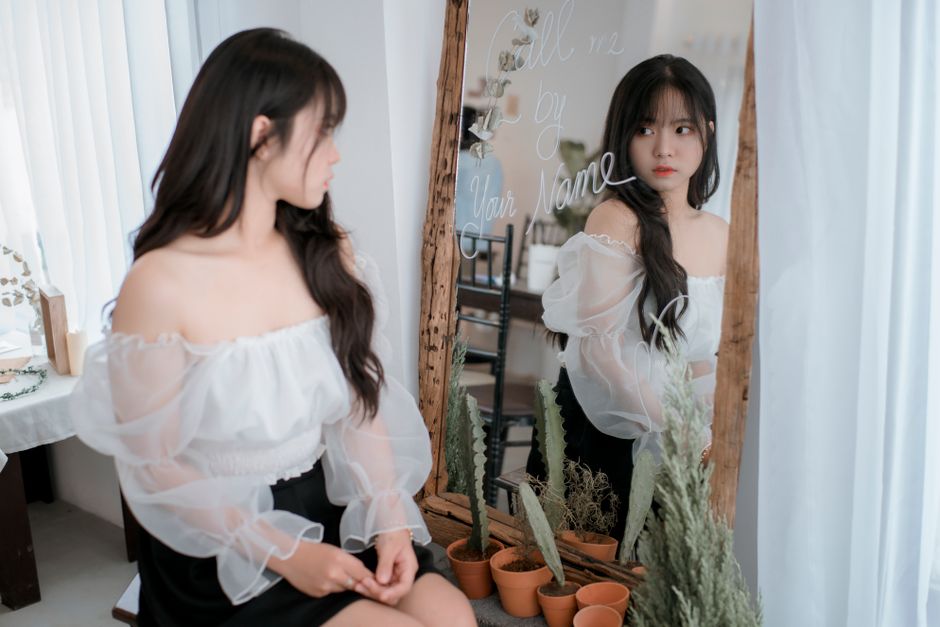
The formulas below give the sleeve a clear role without requiring a special event. Adjust the color and fabric to suit the setting, but keep the structure intact.
- Full sleeve plus straight trousers: Choose a top with rounded or gathered volume and pair it with trousers that fall in one clean line. Tuck the top if the fabric allows it. This is the strongest everyday option for a polished result.
- Bell sleeve plus short hem: A sleeve that widens toward the wrist gains balance from a skirt or dress ending above the knee. Keep the neckline simple so the outfit does not become crowded.
- Strong shoulder plus relaxed trousers: Let the upper line stay crisp while the trousers provide ease. A partial tuck keeps the waist visible without making the outfit feel rigid.
- Ruffled sleeve plus smooth skirt: Use one romantic detail only. A clean skirt and simple footwear let the ruffle move without making the entire outfit look overly sweet.
- Long sleeve plus open neckline: A longer sleeve can feel heavy near the face. An open neckline creates air and gives the eye a place to rest.
- Voluminous sleeve plus narrow column dress: Layer the sleeve over a simple dress with a straight vertical shape. Keep the dress free of extra gathers or large patterns.
- Statement cuff plus rolled trouser hem: When the drama sits at the wrist, expose both the cuff and the ankle. The small gaps create rhythm and stop the outfit from becoming one uninterrupted block.
Make the formula practical
Choose the outfit based on movement first. For commuting, dining, or working at a desk, avoid cuffs that drag across surfaces or sleeves that block the hands. For an event, you can accept more movement because the garment will be seen while standing and walking. The best outfit formula is the one that still looks intentional after several hours of normal activity.
Can Statement Sleeves Work for the Office?
Which sleeve shapes look professional?
Yes, but the sleeve needs a clear edge. Tailored shoulders, moderate balloon shapes, and controlled gathers tend to look more polished than loose decoration that moves without structure. A sleeve can be expressive in a workplace when the neckline, hem, and fabric remain restrained.
Choose one of three reliable combinations: a shaped sleeve with straight trousers, a gathered sleeve with a narrow skirt, or a structured sleeve under a simple jacket. Keep the color story tight. Two main colors usually look sharper than several unrelated shades.
How much volume is too much?
Volume becomes difficult at work when it blocks hand movement, takes up neighboring space, or needs constant adjustment. Sit down before leaving home. Check whether the sleeve presses against the desk, catches on a chair, or covers the hand while writing. If it does, choose a shorter cuff or a sleeve that gathers above the wrist.
Avoid pairing a large sleeve with a large necklace, a dramatic hair shape, and a busy pattern. The outfit may still be attractive, but the message becomes less clear. For the office, the best statement sleeve is one that reads as a strong design choice from across the room and remains easy to wear up close.
