Why linen trousers work so well in hot weather
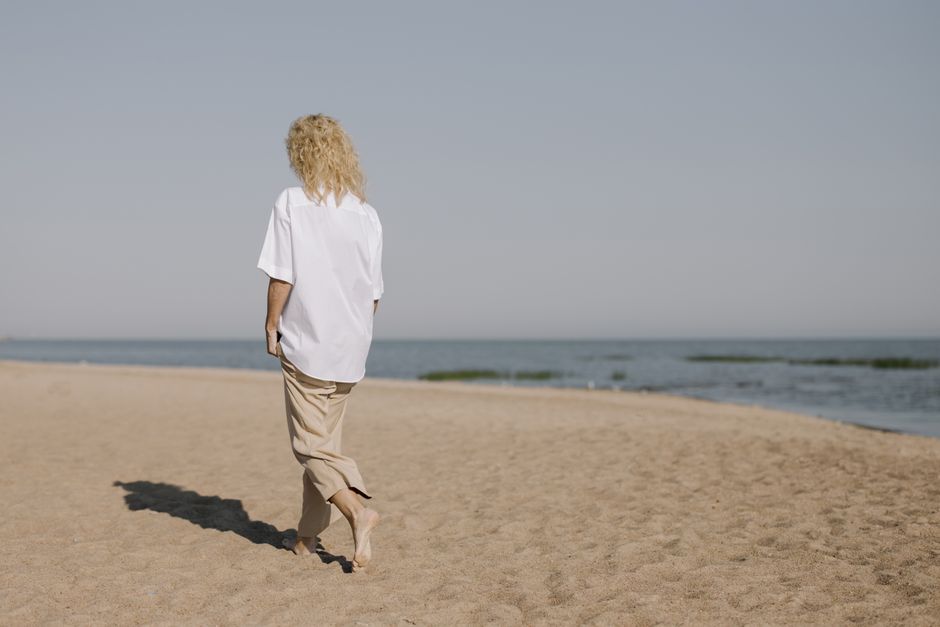
Linen trousers earn their place in a warm-weather wardrobe because they solve two problems at once: they keep air moving around the legs, and they look more polished than most casual summer bottoms. The best outfits do not treat linen as a precious fabric that needs constant arranging. They use its relaxed texture as the starting point for simple, balanced dressing.
Breathability is the main advantage
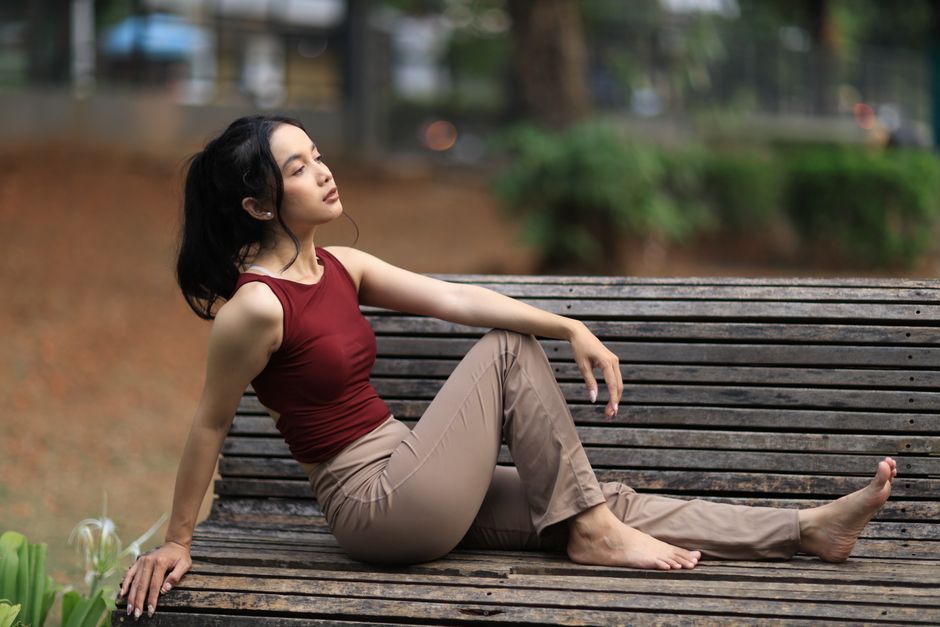
Linen fibers allow more airflow than dense woven fabrics, so loose linen trousers feel less clingy when temperatures rise. The fabric can still absorb moisture, but it dries with a slightly rumpled surface. That texture is part of the appeal. It makes a simple outfit look intentional rather than unfinished. A wide-leg pair with a fitted sleeveless top creates useful contrast: the trousers move around the body while the top keeps the outline clear. A straight-leg pair works well with a relaxed shirt because the vertical line prevents the outfit from looking too bulky.
Wrinkles are part of the visual language
Linen will crease at the knees, waist, and hips. Trying to eliminate every wrinkle usually leads to stiff styling and unnecessary fuss. The better approach is to control the parts that affect shape. Smooth the waistband, straighten the front pleats if the trousers have them, and allow softer creases through the legs. Natural rumpling looks intentional when the fit is clean and the rest of the outfit has one or two structured details, such as a defined shoulder, a sharp collar, or a firm shoe.
Choose the right linen trouser cut for your proportions
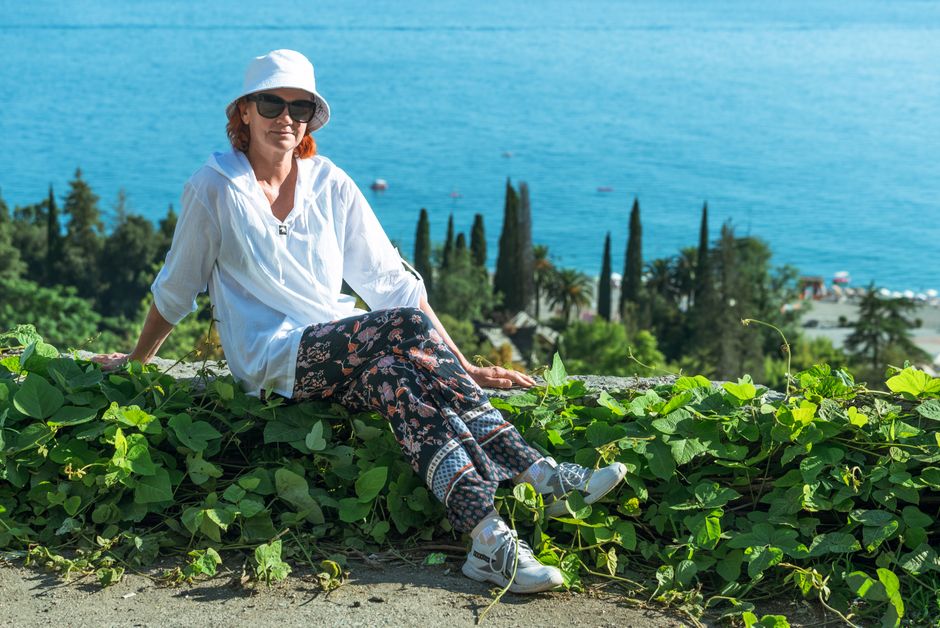
The cut matters more than the color. Linen has enough visual texture to make excess volume look larger, so the shape should match the effect you want. A good pair should sit securely at the waist, skim rather than pull across the hips, and leave enough room for air to circulate. Do not size down to control wrinkles; tight fabric creases more sharply and feels hotter.
Wide-leg, straight-leg, and tapered shapes
| Cut | Best styling effect | What to check |
|---|---|---|
| Wide-leg | Fluid, dramatic, and airy | Hem should nearly meet the top of the foot without dragging |
| Straight-leg | Clean and easy to dress up | Leg should fall smoothly from hip to ankle |
| Tapered | Neater and more casual | Lower leg should not grip tightly around the calf |
| Cropped | Light and relaxed for very warm days | Hem should end at a deliberate point, not mid-calf by accident |
Rise and hem length change the whole outfit
A high rise gives a tucked-in top a clear landing point and can make the legs appear longer. A mid rise feels less formal and suits cropped tops or untucked shirts. For full-length trousers, a small break above the shoe looks relaxed, while a clean, almost-touching hem looks more refined. Cropped trousers need a visible gap above the foot; pair them with footwear that keeps the ankle line open. For the most versatile warm-day wardrobe, a straight-leg or softly wide-leg cut with a mid-to-high rise is the strongest choice because it works with both flat and slightly elevated shoes.
Build a balanced outfit around linen trousers
Start with contrast: if the trousers are loose, choose a top with a clear shape; if the trousers are narrow, let the shirt or layer carry more volume. This single rule prevents many linen outfits from becoming shapeless. The goal is not tightness. It is visual balance.
- Set the silhouette. Decide whether the outfit should look column-like, softly oversized, or waist-defined. Tuck, half-tuck, or leave the top loose based on that choice.
- Choose one texture to repeat. A woven belt, textured bag, or ribbed top can connect with linen without making the outfit look busy. Two or three competing textures usually feel heavy in hot weather.
- Keep the color story narrow. Two neutrals and one accent color are enough. Pale trousers with a darker top create definition; similar light tones create a longer, quieter line.
- Finish the hem deliberately. Full-length trousers need a shoe that supports the hem. Cropped trousers need a shoe that makes the exposed ankle look purposeful.
- Check movement before leaving. Sit, walk, and lift your arms. The waistband, pockets, and knees should still feel comfortable. A beautiful standing outfit fails if the fabric pulls as soon as you move.
These steps also help when the weather changes during the day. A light overshirt can add structure in an air-conditioned room, then come off outside without damaging the main silhouette. The strongest outfit is usually the one that still looks coherent after the extra layer disappears.
Match linen trousers to the setting
The same trousers can look casual, polished, or evening-ready depending on the surrounding pieces. The useful shift is not adding more accessories. It is changing the level of structure, contrast, and finish.
| Setting | Top formula | Footwear direction | Best finishing detail |
|---|---|---|---|
| Morning errands | Tank or simple tee with an open shirt | Flat sandals or clean canvas shoes | Soft shoulder bag and rolled sleeves |
| Office with a relaxed dress code | Tucked sleeveless blouse or crisp shirt | Closed flats or low block heels | Defined belt and neat half-tuck |
| Lunch outdoors | Fitted knit top or short-sleeved blouse | Strappy sandals or low-profile flats | One strong color near the face |
| Warm evening | Simple dark top or fluid blouse | Minimal heeled sandals or pointed flats | Small bag and clean jewelry |
Make casual looks look deliberate
Casual styling needs fewer details, but each detail should have a job. A tucked top defines the waist. A rolled sleeve reveals the wrist. A shoe with a clean shape keeps the outfit from looking like sleepwear. If the trousers are very relaxed, avoid adding a slouchy bag and oversized hat at the same time. One soft accessory is enough.
Make polished looks stay comfortable
For work or dinner, keep the trousers relaxed and sharpen the upper half. A pointed collar, clean neckline, or precise tuck can do more than extra jewelry. Use a darker or stronger color on top when you want the outfit to feel more formal. The best polished linen outfit still leaves room to sit, walk, and handle heat without constant adjustment.
Common linen trouser mistakes and how to fix them
Linen outfits rarely fail because of one dramatic error. Small choices create the problem: the wrong length, too much volume, or a fabric that becomes transparent in bright light. These fixes are practical and quick.
Why do linen trousers look wider than expected?
The usual cause is excess fabric at the hip combined with a very wide leg. Try a higher tuck, a shorter top, or a straighter cut. If the trousers have pleats, make sure they lie flat when standing. Pleats that gape signal that the waistband or hip area does not fit correctly. A belt can improve definition, but it cannot repair a poor cut.
How can you avoid a see-through summer outfit?
Check the trousers in direct daylight before wearing them outside. Pale linen can appear opaque indoors and more revealing outdoors. Look for a denser weave, a lining that ends below the widest part of the thigh, or underlayers in a close skin tone. Black or bright white undergarments often show more clearly than muted tones. Also check pocket bags; a visible pocket outline can make the front look untidy even when the fabric itself is opaque.
What makes linen trousers look too rumpled?
Heavy wrinkling often comes from sitting in a damp garment, overloading the pockets, or choosing trousers that are too tight. Empty the pockets, hang the trousers after wearing them, and smooth the legs while the fabric still holds a little warmth. If the waistband wrinkles sharply, the rise may not suit your body. Fix the fit before blaming the fabric.
When linen trousers are not the right choice
Linen trousers are not automatically the best warm-weather option. Skip them when you need a sharply pressed appearance for many hours, when frequent sitting will bother you, or when the care routine does not fit your schedule. A smoother woven trouser may hold a crisp line longer. A lightweight skirt or short may feel cooler in extreme heat. The right choice depends on the day’s demands, not on linen’s popularity.
Choose an alternative when movement matters most
If you will cycle, climb stairs repeatedly, or spend the day moving between outdoor heat and cold interiors, a less voluminous cut can feel easier. Straight-leg trousers usually stay out of the way better than very wide legs. Cropped shapes can also work when full-length fabric would drag through wet streets or catch on footwear. The trade-off is less drama and slightly less airflow, but the outfit may feel more practical.
Choose linen when comfort and texture lead
For long lunches, travel days, outdoor gatherings, and relaxed offices, linen trousers remain one of the strongest warm-weather foundations. Choose the cut first, build contrast with the top, and accept controlled wrinkles as part of the look. The clearest verdict is simple: for warm days when you want comfort with a polished outline, high-rise straight-leg or softly wide-leg linen trousers are the best starting point. As summer wardrobes move toward lighter layers and more flexible dressing, their value will come less from trend status and more from how easily they adapt to real life.
