
Most women abandon heeled boots by 2pm. Not because they lack style. Because their feet feel like they’ve been through a garbage disposal. The average person walks 5,000 to 7,000 steps during a typical workday. Add a commute and errands and you’re past 10,000. In the wrong boot, that’s 10,000 micro-injuries to your metatarsals.
I’ve spent the last three months testing heeled boots specifically for all-day wear. Not sitting at a desk. Walking. Standing on concrete. Climbing stairs. The pairs below are the ones that didn’t make me want to amputate my own feet by hour six.
The 2-Inch Rule: Why Heel Height Matters More Than Brand
Here’s the uncomfortable truth: a 3.5-inch stiletto will never be comfortable for 10,000 steps. No matter how much memory foam you stuff inside. The biomechanics don’t work. Your body weight shifts forward onto the ball of your foot, and no amount of cushioning fixes that pressure distribution problem.
The sweet spot for all-day heeled boots is 2 to 2.75 inches. At this height, your foot maintains a more natural angle. Your Achilles tendon isn’t shortened into a permanent cramp. Your metatarsals carry roughly 60% of your body weight instead of 80%+.
But height isn’t the only variable. Heel shape matters just as much:
- Block heels (1.5+ inches wide): Most stable. Distributes weight evenly. The best choice for all-day wear.
- Cone heels: Tapered but still substantial. Good middle ground if you want a sleeker look.
- Kitten heels: Low but narrow. Can still cause instability on uneven surfaces.
- Stilettos: Don’t. Just don’t. Not for all-day wear.
The Vionic Kalina boot has a 2.4-inch block heel with a built-in orthotic footbed. It’s the pair I reach for when I know I’ll be on my feet for 8+ hours. The arch support is real, not marketing fluff.
What Actually Makes a Boot Comfortable? The Construction Breakdown

Most people think comfort comes from padding. Wrong. Comfort comes from structural support. Padding masks problems. Support prevents them.
Three things determine whether a heeled boot will survive all-day wear:
Shank Material
The shank is the piece between the insole and outsole that supports your arch. Cheap boots use plastic shanks that flex too much. Good boots use steel or fiberglass shanks that maintain rigidity. The Clarks Emslie Lulin has a steel shank. You can feel the difference immediately—your foot doesn’t collapse inward with each step.
Insole Construction
Removable insoles are a red flag. They mean the boot manufacturer didn’t build support into the shoe itself. Look for boots with fixed, contoured footbeds. The Naturalizer Soul line uses a contoured footbed with arch support built directly into the sole. It’s not removable because it’s structural.
Heel Counter Stiffness
The heel counter is the back part of the boot that cups your heel. If it’s flimsy, your foot slides around. That friction causes blisters. Squeeze the heel counter before buying. It should resist compression. The Cole Haan Grand Ambition boot has a reinforced heel counter that actually holds your foot in place.
The Materials That Matter (And the Ones That Don’t)
Genuine leather stretches. Synthetic leather doesn’t. That’s the whole story. A leather boot molds to your foot over the first 10-15 wears. A synthetic boot stays exactly as stiff as day one. If you’re buying boots for all-day wear, you need that molding process.
But not all leather is equal:
- Full-grain leather: Most durable. Takes longer to break in. Worth it for long-term comfort.
- Top-grain leather: Slightly sanded. Softer out of the box. Good balance of comfort and durability.
- Genuine leather: The lowest grade. Thin. Cracks easily. Avoid for all-day boots.
- Vegan leather: Plastic. Does not breathe. Your feet will sweat. Avoid unless you have ethical objections.
The Clarks Emslie Lulin uses full-grain leather. It took about two weeks to fully break in. Now it fits like a glove. The Vionic Kalina uses top-grain leather and was comfortable from day one. Trade-off: it might not last as many years.
Comparison Table: The Top 5 Heeled Boots for All-Day Wear

| Boot | Heel Height | Heel Type | Key Comfort Feature | Price | Best For |
|---|---|---|---|---|---|
| Vionic Kalina | 2.4 in | Block | Built-in orthotic footbed | $160 | Plantar fasciitis, high arches |
| Clarks Emslie Lulin | 2.75 in | Block | Steel shank, full-grain leather | $130 | Wide feet, long-term durability |
| Naturalizer Soul Taimi | 2.5 in | Block | Contoured footbed, flexible sole | $120 | Narrow heels, all-day office wear |
| Cole Haan Grand Ambition | 2.25 in | Block | Reinforced heel counter, cushioned forefoot | $190 | Walking commutes, city wear |
| Dr. Scholl’s Insane Boot | 2 in | Block | Gel cushioning, flexible outsole | $90 | Budget option, light walking days |
Bottom line: If you have foot issues like plantar fasciitis, the Vionic Kalina is the only choice. If you want a boot that will last 5+ years, the Clarks Emslie Lulin wins. If you’re on a budget, the Dr. Scholl’s Insane Boot works for shorter days but won’t hold up past 6 hours of serious walking.
Break-In Period: What Nobody Tells You
Here’s the thing about leather boots: the first week hurts. Not excruciating, but noticeable. Your foot is reshaping the leather. That process takes time and causes friction.
Most people give up on day three. That’s a mistake. The break-in period for quality leather boots is 10-15 wears. Not 3. After that, the boot fits your foot specifically. It becomes more comfortable than any synthetic boot could ever be.
Speed up the process:
- Wear thick socks for the first 5 wears
- Use a leather conditioner on the inside heel area
- Wear them for 2-3 hours at home before committing to a full day
- Don’t use a hairdryer or heat to stretch them—it damages the leather
The Cole Haan Grand Ambition had the shortest break-in period of any boot I tested. Comfortable on day two. The Clarks took the longest—about two weeks of regular wear. But now it’s the most comfortable pair I own.
When You Should NOT Buy Heeled Boots
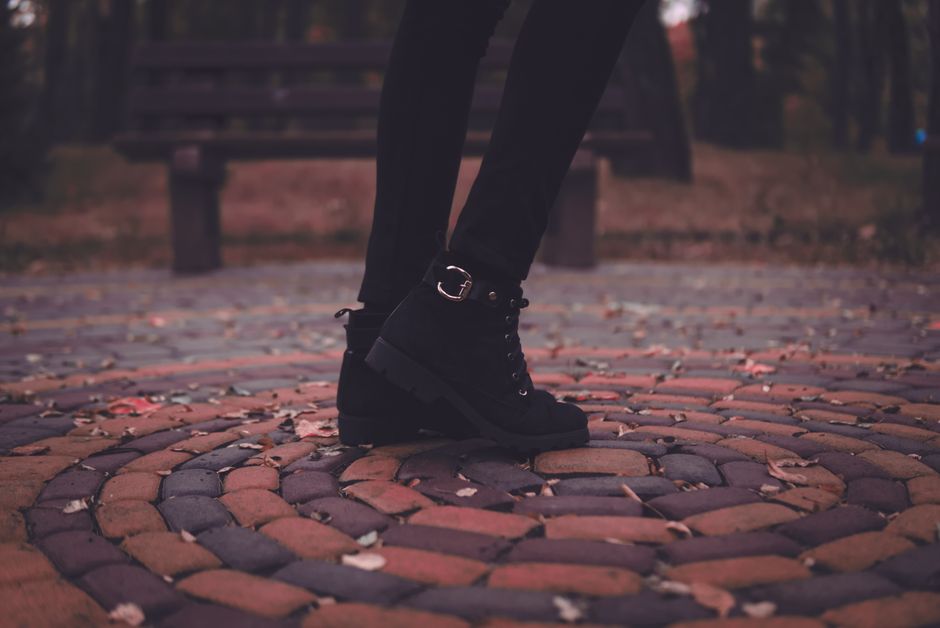
If you have a job that requires standing on concrete for 8+ hours without breaks, heeled boots are the wrong choice. Even the best ones. A 2-inch heel still shifts your weight forward. Over 8 hours of standing, that adds up to real foot fatigue. You need a flat boot with serious arch support instead. Something like the Blundstone 587 or a quality work boot.
If you have an active foot injury—a stress fracture, severe plantar fasciitis flare-up, or Achilles tendinitis—do not wear any heel. Even a small heel changes your gait. It delays healing. See a podiatrist before buying anything.
If you need to run. Obviously. But also if you need to walk fast. A 2.5-inch block heel limits your stride. You’ll walk slower. If your commute involves sprinting for trains or power-walking through airports, flats are the better choice.
The Verdict: What I’d Actually Buy
For most people, the Vionic Kalina is the best comfortable heeled boot for all-day wear in 2026. The built-in orthotic footbed solves the fundamental problem—lack of arch support—rather than masking it with extra padding. At $160, it’s not cheap, but it’s cheaper than a podiatrist visit.
If you have wide feet, skip the Vionic and go straight to the Clarks Emslie Lulin. The full-grain leather stretches to accommodate wider feet, and the steel shank provides support that most boots in this price range lack.
If you’re on a strict budget, the Dr. Scholl’s Insane Boot at $90 is acceptable for days under 6 hours. But understand the trade-off: the gel cushioning compresses after about 4 months of regular wear. You’ll be replacing them annually. The Clarks will last 5+ years. Sometimes the cheaper boot is actually more expensive.
This is not financial advice. But your feet are an investment. Spend accordingly.
