
Most advice about hybrid work clothes starts with a lie. The lie is that you need two separate wardrobes: one for home, one for the office. That’s how you end up with a closet full of clothes you never wear and a credit card bill you regret. The actual problem isn’t having enough clothes. It’s having the wrong clothes for a work life that switches between a laptop on your kitchen table and a desk in a building with fluorescent lights.
I’ve spent three years watching people get this wrong. The person who shows up to a client Zoom call in a blazer over pajama pants thinks they’ve hacked the system. They haven’t. The person who wears the same stiff suit they wore in 2019 looks like they’re cosplaying their old job. Neither one looks professional. Both look uncomfortable.
Here’s what actually works.
The Real Difference Between Zoom-Professional and Office-Professional
Your camera sees about 18 inches of you. Your colleagues see all of you. That’s the fundamental split you need to design around. A shirt that looks crisp on a 1080p webcam might be wrinkled below the waistline where nobody can see. A pair of trousers that looks sharp in person might read as shapeless black on screen. You don’t need two wardrobes. You need clothes that do double duty.
The Fabric Test Nobody Tells You About
Hold any shirt up to a window. If you can see light through the weave, it will look washed out on camera. That’s why cotton oxford cloth beats cheap poplin every time. The texture catches light differently. The Everlane Oxford Shirt ($68) has enough structure to look intentional on screen, but it’s not so stiff that you feel like you’re wearing a costume at home. For women, the Uniqlo Rayon Long-Sleeve Blouse ($39.90) does the same job with a softer drape.
Color Rules for Camera vs. In-Person
White shirts disappear against white walls. Black shirts absorb all the light and turn you into a floating head. What works on camera is mid-tone: navy, forest green, burgundy, charcoal. These colors hold their shape visually. In person, they read as professional without being boring. The J.Crew Garment-Dyed Slub Cotton Crewneck T-Shirt ($36.50) in navy is the most useful hybrid work shirt I’ve found. It looks intentional on camera, and it doesn’t wrinkle when you sit in a car for 40 minutes.
The Five-Piece Foundation That Replaces Your Entire Work Wardrobe

Here’s the thing about hybrid work: you’re not going to wear 80% of what’s in your closet. You’re going to grab the same five things over and over because they work. So buy those five things in good quality and stop pretending you need variety.
| Piece | What to Look For | Specific Pick | Price |
|---|---|---|---|
| Structured knit polo | Collar that stands up, no buttons that gape | Banana Republic Luxury-Touch Polo | $54.50 |
| Mid-weight chino | Stretch but not shiny, tapered but not skinny | Bonobos Stretch Washed Chino 2.0 | $99 |
| Unstructured blazer | Soft shoulders, no lining, machine washable | Uniqlo Jersey Relaxed Jacket | $59.90 |
| Merino crewneck | Not too thin, not itchy, holds shape | Naadam The Essential $75 Sweater | $75 |
| Clean sneaker | Leather or suede, no logos, no mesh | Thursday Boot Co. Premier Low Top | $129 |
That’s $417 for a complete hybrid work wardrobe. You can go cheaper on everything except the blazer and the sweater. Cheap blazers look cheap on camera. Cheap sweaters pill after three washes. Spend the money there.
The polo is the unsung hero of hybrid work. A good knit polo has a collar that frames your face on camera, but it’s not a button-down, so it doesn’t wrinkle when you sit cross-legged on your couch. The Banana Republic Luxury-Touch Polo is the one I recommend because the collar actually stands up after washing. Most polos at this price have collars that flop over like a sad dog ear.
What Actually Happens When You Dress Wrong
You think nobody notices when you wear the same hoodie three days in a row. They notice. It’s not about fashion. It’s about signal. Clothes send a signal about whether you take your job seriously. If you look like you just rolled out of bed, people assume you work like you just rolled out of bed. That’s unfair, but it’s true.
The most common mistake I see is people wearing clothes that fit them five years ago. Hybrid work means you’re sitting more. Bodies change. Wearing trousers that cut into your waist when you sit down doesn’t just look bad. It makes you fidget on camera. You look nervous. You look uncomfortable. And you are.
Buy for the body you have now. The Bonobos Stretch Washed Chino 2.0 has enough give in the waist that you can sit through a three-hour meeting without wanting to unbutton your pants. That’s worth $99.
The One Thing You Should Never Wear on a Video Call
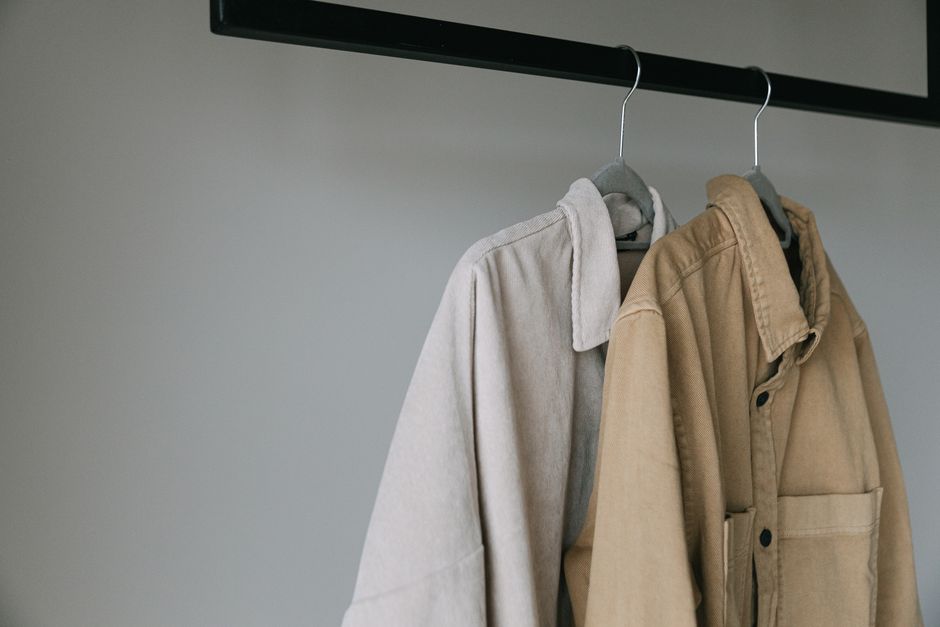
Anything with a busy pattern. Stripes are fine. Small checks are fine. But a loud floral or a geometric print will turn into a shimmering mess on camera. It’s called moiré. Your webcam can’t process the pattern, so it looks like your shirt is vibrating. It’s distracting and it makes you look like you’re broadcasting from 2008.
Solid colors or subtle textures only. If you want personality, put it in your background or your accessories. A simple chain necklace or a watch reads well on camera. A patterned shirt does not.
One more thing: avoid pure white. It blows out the exposure on most webcams. Your face ends up looking dark while your shirt glows like a beacon. If you love white, wear it in person and save the mid-tones for video days.
How to Build This Without Going Broke

Start with the five pieces in the table. Buy them all in the same color family so everything matches everything else. Navy, charcoal, forest green, burgundy. That’s your palette. Five pieces, four colors, infinite combinations.
The biggest mistake people make is buying one piece at a time with no plan. They buy a shirt they like, then a pair of pants that doesn’t match the shirt, then a blazer that matches neither. They end up with a closet full of clothes and nothing to wear. Build the foundation first. Then add variety.
If you can only afford one thing right now, buy the blazer. It’s the highest-leverage piece. Throw it over a t-shirt and you look put-together on camera. Throw it over the polo and you look ready for a client meeting. No other single piece does as much work.
Remember the person from the beginning who showed up to a Zoom call in a blazer over pajama pants? The problem wasn’t the pajama pants. The problem was that they thought wearing half an outfit was a hack. It’s not. It’s a half-measure. What works is building a small wardrobe of clothes that work everywhere: on camera, in person, at home, at the office. Five pieces. That’s all you need. Everything else is just noise.
